

- American Metal Festivals: Beginner’s Guide - December 6, 2025
- Quest for Quaintness: Exploring Charming Corners of the Earth - December 6, 2025
- Odysseys and Outposts: A Traveler’s Memoir - December 6, 2025
The Birth of the Internet – When Two Letters Changed Everything
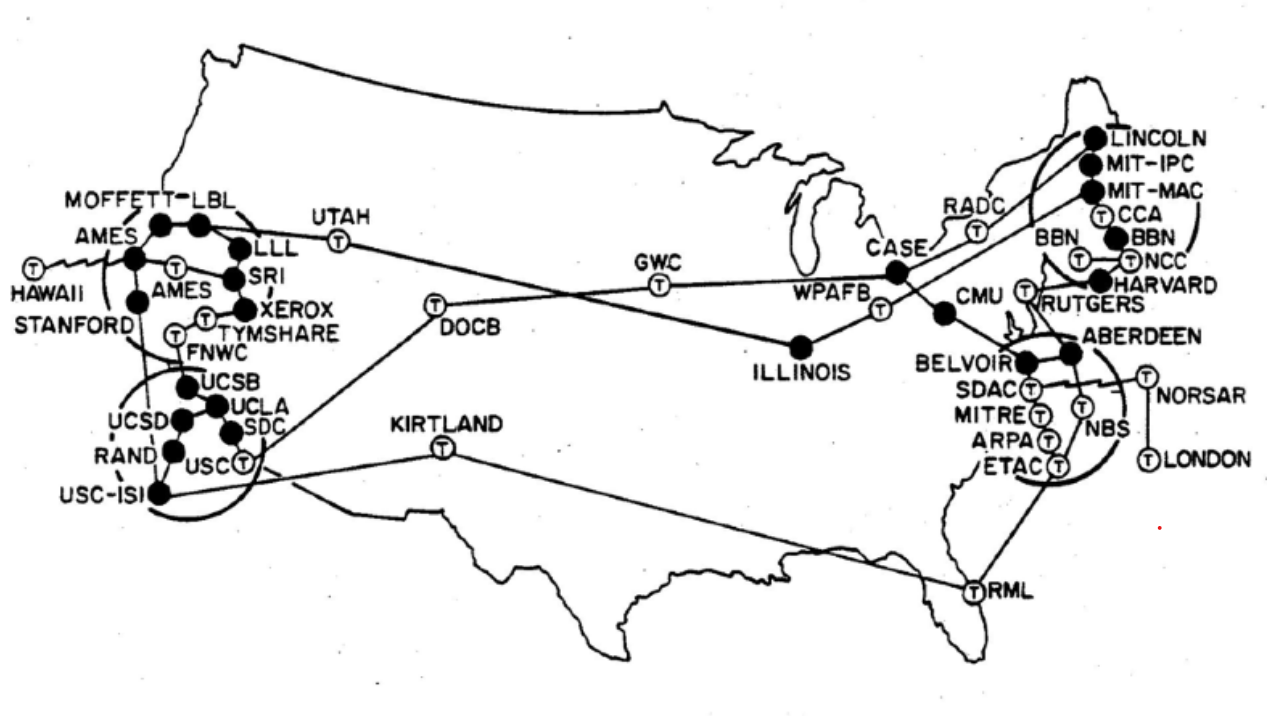
Picture this: On October 29, 1969, researchers at the University of California, Los Angeles, successfully sent the Stanford Research Institute a first-of-its-kind electronic message on ARPANET, the forerunner of the modern internet. That fateful first message, according to Kleinrock, was supposed to be the word “login.” But the system crashed after the first two letters. So, it ultimately consisted of just two letters: L and O. No one on Professor Leonard Kleinrock’s 40-person team suspected that they were starting a revolution of global proportions on Oct. 29, 1969. That was the day Kleinrock and a student assistant, Charley Kline ’70, M.S. ’71, Ph.D. ’80 sent the first “host-to-host” message over ARPANET (Advanced Research Projects Agency Network), the precursor to today’s Internet. What started as a simple attempt to type “login” between UCLA and Stanford became the foundation of the digital world we live in today. The irony? Even the creator didn’t expect much – they didn’t expect ARPANET to become what the internet is today. They saw it as a way for people to share information and work together.
Google’s PageRank Algorithm – Stanford’s Search Revolution
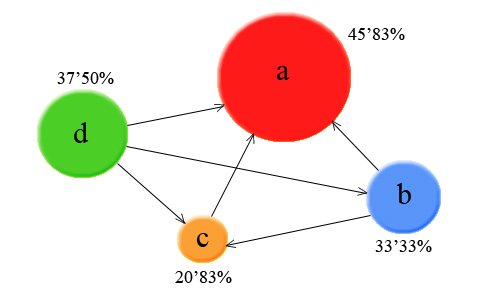
In 1995, Larry Page met Sergey Brin. At the time, Page and Brin were Ph.D students at Stanford University. The two began collaborating on a research project nicknamed “BackRub” with the goal of ranking web pages into a measure of importance by converting their backlink data. Without knowing it at the time, Page and Brin developed the PageRank algorithm that became the original Google Search algorithm. Larry Page and Sergey Brin developed PageRank at Stanford University in 1996 as part of a research project about a new kind of search engine. The breakthrough wasn’t just technical – it was philosophical. Instead of counting keywords like other search engines, they treated the web like a popularity contest where links were votes. Links were essentially a voting system – each link to a page was a vote for its importance – but not all votes were equal. Links from more important pages (i.e., those with more of their own links in) were given more weight than those from less important pages (i.e., those with fewer links into them). This simple idea revolutionized how we find information and launched one of the world’s most valuable companies.
Facebook – From Harvard Dorm Room to Global Connection

In January 2004, Zuckerberg began writing code for a new website. On February 4, 2004, Zuckerberg launched “Thefacebook”, originally located at thefacebook.com, in partnership with his roommates Eduardo Saverin, Andrew McCollum, Dustin Moskovitz, and Chris Hughes. What started as a way for Harvard students to connect with each other exploded beyond anyone’s wildest imagination. According to his roommate, Dustin Moskovitz, “By the end of the night, we were … actively watching the registration process. Within twenty-four hours, we had somewhere between twelve hundred and fifteen hundred registrants.” That’s the dorm room in Harvard University’s Kirkland House where the then-19-year-old built the website that would launch social networking and eventually become one of the most valuable and influential companies in the world. “This is literally where I sat,” Zuckerberg says, pointing to a small wooden desk and chair. “And this is where I programmed Facebook.” The crazy part? Zuckerberg almost didn’t launch it: “If I hadn’t launched it that day, I was about to just can it and go on to the next thing I was about to do,” he says. Such was the uncertain nature of the facebook’s birth.
CRISPR Gene Editing – The Genetic Scissors Revolution

In just two days, UC Berkeley is two Nobel Prizes richer. Today (Wednesday, Oct. 7), biochemist Jennifer Doudna won the 2020 Nobel Prize in Chemistry, with her colleague Emmanuelle Charpentier, for the co-development of CRISPR-Cas9, a revolutionary gene-editing tool that allows scientists to rewrite DNA. She received the 2020 Nobel Prize in Chemistry, with Emmanuelle Charpentier, “for the development of a method for genome editing.” But here’s where it gets interesting – there’s been a massive patent battle. But Feng Zhang of the Broad Institute won the race to apply the method to human cells. “Zhang is not the first to conceive of using CRISPR Cas-9,” said Sherkow. “He was the first to get it to work in eukaryotic cells. And, at least with respect to this patent decision… that’s what mattered.” The gene-editing tool gives scientists near godlike power, allowing them to rewrite the code of life by moving genes from one living creature to another. Doudna’s talk was timely, given the recent news that the FDA has approved Casgevy, the first CRISPR-based therapy — and promising cure — for sickle cell disease. According to Doudna, the first patient to receive the therapy in clinical trials, Victoria Gray, has been symptom free for nearly five years. More than 30 patients have since been treated and all remain symptom free.
The Birth of Artificial Intelligence – Dartmouth’s Historic Summer
The Dartmouth Summer Research Project on Artificial Intelligence, held from 18 June through 17 August of 1956, is widely considered the event that kicked off AI as a research discipline. The Dartmouth Summer Research Project on Artificial Intelligence, held from 18 June through 17 August of 1956, is widely considered the event that kicked off AI as a research discipline. Organized by John McCarthy, Marvin Minsky, Claude Shannon, and Nathaniel Rochester, it brought together a few dozen of the leading thinkers in AI, computer science, and information theory to map out future paths for investigation. On September 2, 1955, the project was formally proposed by McCarthy, Marvin Minsky, Nathaniel Rochester and Claude Shannon. The proposal is credited with introducing the term ‘artificial intelligence’. The workshop’s ambition was breathtaking: The study is to proceed on the basis of the conjecture that every aspect of learning or any other feature of intelligence can in principle be so precisely described that a machine can be made to simulate it. An attempt will be made to find how to make machines use language, form abstractions and concepts, solve kinds of problems now reserved for humans, and improve themselves. Still, the historical importance of the conference is unquestionable. Many experts met in Dartmouth for the first time and this was a highly inspiring meeting. In fact, for a whole subsequent period, the main achievements in the field of AI have been obtained by these same scientists or by their students.
Modern Venture Capital – Harvard’s Financial Innovation
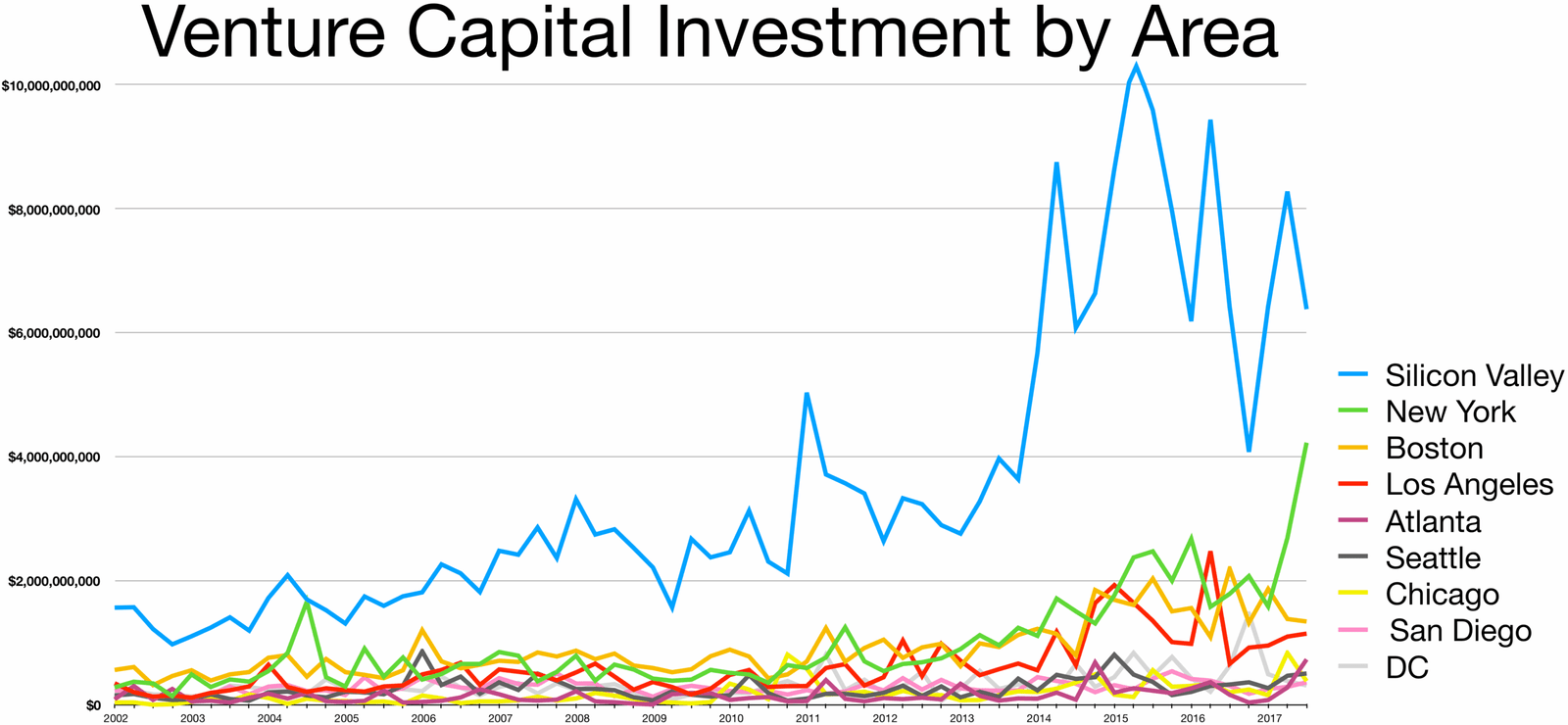
While Silicon Valley gets all the glory, the seeds of venture capital were actually planted at Harvard Business School in 1946. Georges Doriot, a Harvard professor, founded American Research and Development Corporation (ARDC), the first publicly traded venture capital firm. This wasn’t just another investment company – it was a revolutionary approach to funding innovation. Doriot understood something that traditional banks didn’t: breakthrough technologies needed patient capital and expert guidance, not just money. His model of combining funding with mentorship became the blueprint for Silicon Valley’s entire startup ecosystem. Without Harvard’s early venture capital innovation, companies like Google, Facebook, and countless others might never have gotten off the ground. The ARDC’s success stories, including Digital Equipment Corporation, proved that this new funding model could generate enormous returns while driving technological progress.
YouTube – Illinois Engineers Change Video Forever

Three former University of Illinois at Urbana-Champaign students – Steve Chen, Chad Hurley, and Jawed Karim – met during their time at UIUC before creating what would become the world’s largest video platform in 2005. The idea wasn’t born from some grand vision of revolutionizing media; it came from a practical problem they experienced firsthand. After a dinner party, they struggled to share videos with friends who couldn’t attend. This simple frustration led to a platform that now hosts over 2 billion logged-in monthly users and has fundamentally changed how we consume, create, and share video content. Their engineering background from Illinois gave them the technical skills needed to solve video compression and streaming challenges that seemed impossible at the time. What started as a solution for sharing party videos became the launching pad for countless careers, movements, and cultural phenomena.
The Birth Control Pill – A Medical Revolution

The development of the first oral contraceptive in the 1950s was a collaborative effort between brilliant minds at Harvard and the University of Pennsylvania. Gregory Pincus at Harvard and Carl Djerassi at UPenn played crucial roles in creating what would become known simply as “the pill.” This wasn’t just a medical breakthrough – it was a social revolution that gave women unprecedented control over their reproductive choices. Pincus conducted the groundbreaking research that proved hormonal contraception could be effective and safe, while Djerassi’s chemical expertise helped create the synthetic hormones that made mass production possible. The pill’s impact extended far beyond medicine, fundamentally changing women’s participation in education, careers, and society. It’s impossible to imagine the women’s liberation movement or modern family planning without this university-born innovation.
Lithium-Ion Batteries – Powering the Modern World

The rechargeable batteries that power everything from smartphones to electric vehicles trace their origins to groundbreaking research at Stanford and other American universities. John Goodenough, who had earlier connections to MIT and the University of Chicago, along with Stan Whittingham at Stanford, pioneered the lithium-ion technology that would later be refined by researchers at UC Berkeley. This wasn’t an overnight success – it took decades of research and incremental improvements to create batteries that were safe, efficient, and commercially viable. The technology seemed almost impossible at first: how do you safely contain highly reactive lithium while allowing it to move back and forth between electrodes? The university researchers solved this puzzle through innovative materials science, creating cathodes and anodes that could withstand thousands of charge cycles. Today, lithium-ion batteries are so ubiquitous we barely think about them, but they’ve enabled the mobile revolution and are crucial to fighting climate change through electric vehicles and renewable energy storage.
GPS Technology – Stanford and MIT’s Navigation Revolution

The Global Positioning System that guides us everywhere today has its roots in advanced research conducted at MIT and Stanford universities. Bradford Parkinson, working at Stanford, led the development of the first GPS system, building on earlier satellite navigation concepts refined at both institutions. The challenge was enormous: how do you create a system that can pinpoint any location on Earth using satellites orbiting 12,000 miles above us? The solution required breakthroughs in atomic clock technology, signal processing, and complex mathematical algorithms. MIT’s contributions included crucial work on signal timing and error correction, while Stanford researchers tackled the geometric problems of triangulating positions from multiple satellites. What started as a military project has become essential civilian infrastructure, enabling everything from ride-sharing apps to precision agriculture. The GPS system processes over a billion location requests daily, and its economic impact is estimated at over $1.4 trillion since its introduction.
fMRI Brain Imaging – Revolutionizing Neuroscience
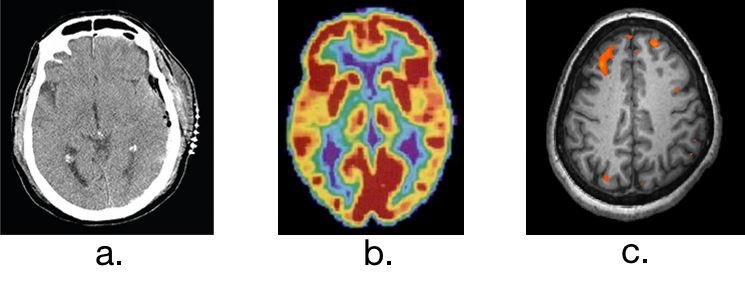
Functional Magnetic Resonance Imaging (fMRI) technology, which allows scientists to watch the brain in action, emerged from pioneering work by Seiji Ogawa at AT&T Bell Labs, who had strong ties to MIT. In the 1990s, Ogawa developed the principles that made it possible to track blood flow in the brain, revealing which areas are active during different tasks. This was a massive breakthrough because, for the first time, researchers could see the living brain at work without invasive procedures. The technology relies on the fact that active brain areas require more oxygen, changing the magnetic properties of blood in those regions. MIT researchers and collaborators refined these techniques, making fMRI more precise and accessible to research institutions worldwide. Today, fMRI has revolutionized our understanding of everything from mental illness to decision-making, and it’s helping develop new treatments for conditions like depression, ADHD, and Alzheimer’s disease.
The Black-Scholes Model – Wall Street’s Mathematical Revolution
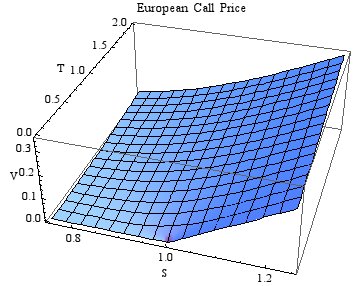
The financial world was forever changed by a mathematical model developed by academics with strong ties to MIT and the University of Chicago. Fischer Black (Harvard), Myron Scholes (MIT), and Robert Merton (MIT) created the Black-Scholes options pricing model, which provided the first systematic way to value financial derivatives. Before this model, options trading was largely guesswork based on intuition and experience. The Black-Scholes equation brought scientific rigor to finance, showing how to calculate the fair value of an option based on factors like the underlying stock price, time to expiration, and market volatility. This wasn’t just academic theory – it had immediate practical applications that revolutionized financial markets. The model enabled the explosive growth of derivatives trading and made sophisticated financial instruments accessible to ordinary investors. While it later became controversial during financial crises, the Black-Scholes model remains fundamental to modern finance, and Scholes and Merton won the Nobel Prize in Economics for their work.
UNIX and C Programming – The Foundation of Computing
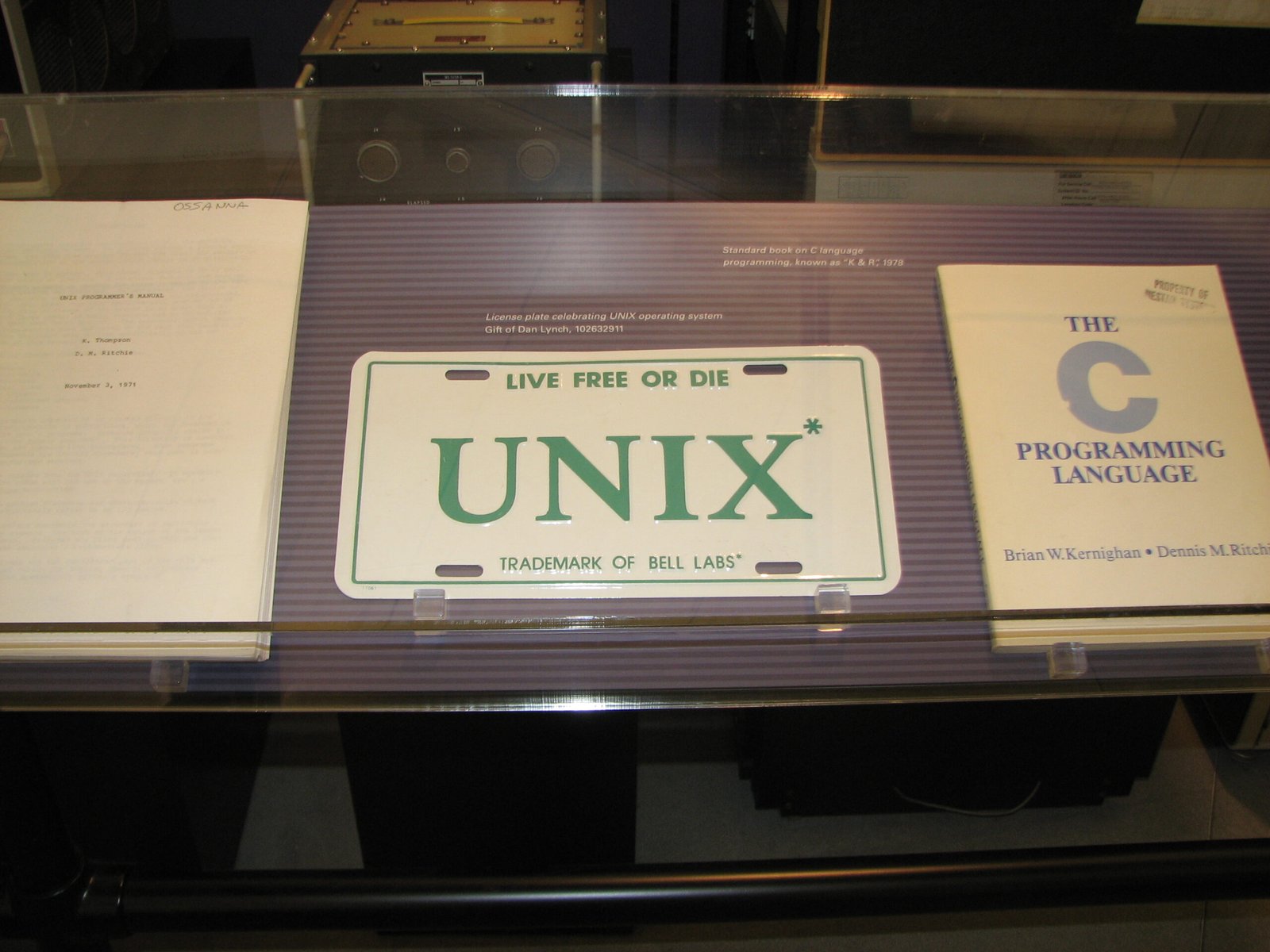
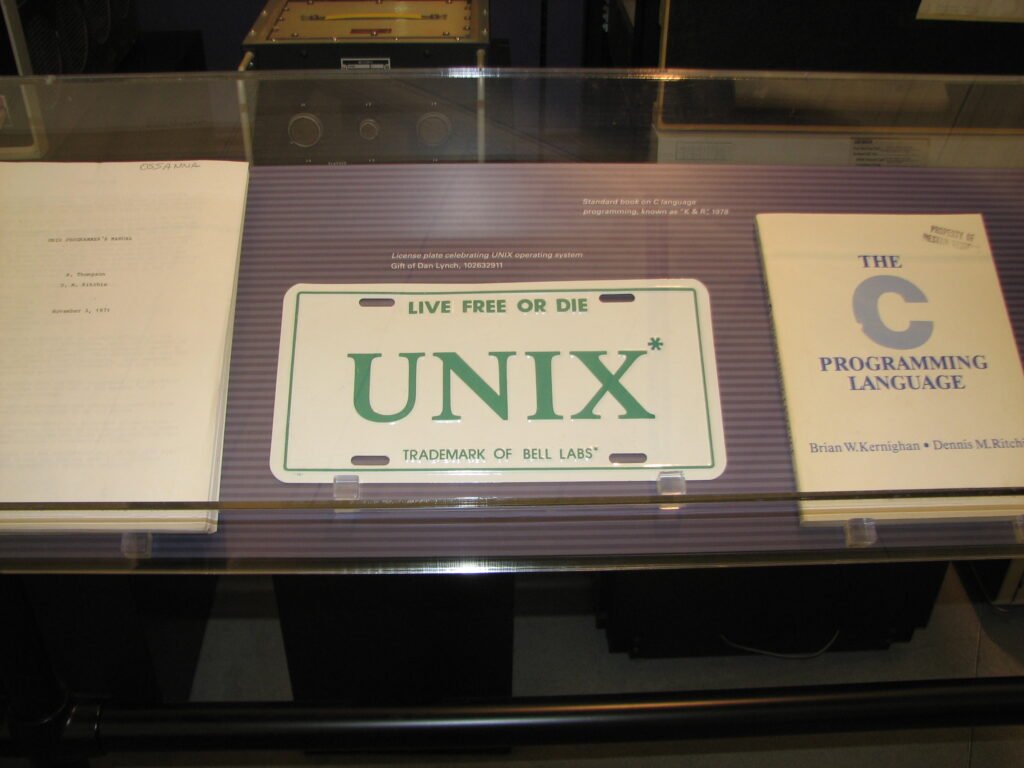
While UNIX and the C programming language were developed at Bell Labs, their creators Ken Thompson and Dennis Ritchie had significant ties to MIT and Harvard, bringing academic rigor to what would become the backbone of modern computing. UNIX introduced revolutionary concepts like a hierarchical file system, pipes for connecting programs, and a philosophy of simple, modular tools that could work together. C provided a programming language that was both powerful enough for system programming and portable across different computer architectures. These innovations didn’t happen in isolation – they built on decades of computer science research at universities and incorporated ideas from academic projects. The impact has been enormous: most of today’s operating systems, from Linux to macOS, trace their lineage back to UNIX, while C influenced virtually every programming language that came after it. The internet, smartphones, and cloud computing all rely on systems built with these university-influenced technologies.
Tesla’s Electric Vehicle Innovation – Stanford’s Sustainable Future

While Elon Musk famously dropped out of Stanford after just two days, his collaboration with Stanford alumni JB Straubel led to Tesla’s groundbreaking battery and electric vehicle innovations. Straubel, who earned his master’s degree at Stanford, brought crucial expertise in energy storage and electric propulsion systems. The partnership combined Musk’s vision with Stanford’s deep research in materials science and energy systems. Tesla’s success wasn’t just about building electric cars – it required solving complex problems in battery chemistry, thermal management, and software integration. Stanford’s research community provided the technical foundation for many of Tesla’s innovations, from advanced battery management systems to autonomous driving capabilities. The university’s culture of interdisciplinary collaboration helped bridge the gap between laboratory research and real-world applications. Today, Tesla’s market success has sparked a global shift toward electric vehicles, proving that university research can drive massive industrial transformation.
Social Network Theory – Understanding Human Connections
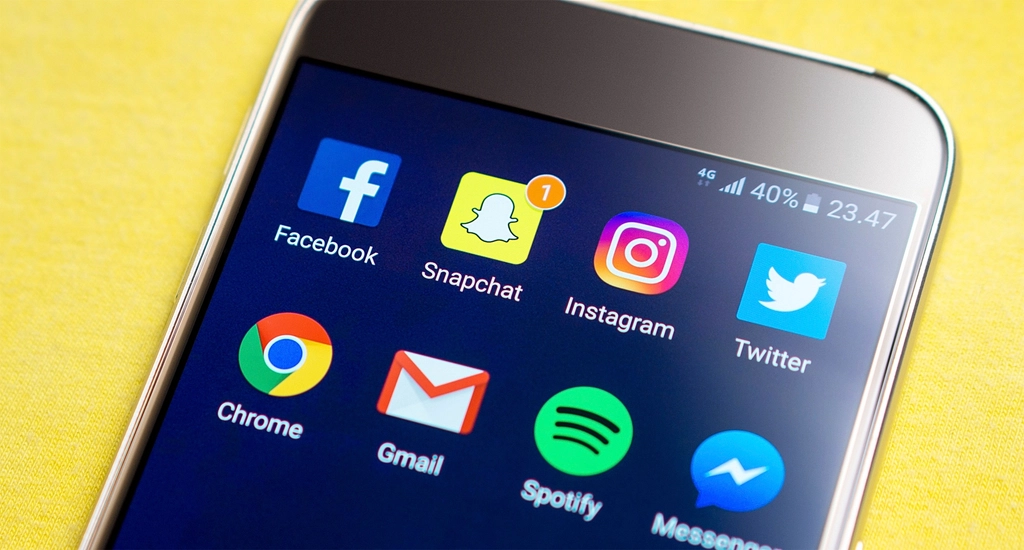
Long before Facebook made social networks visible to everyone, researchers at Columbia and Harvard were developing the mathematical theories that explain how human connections work. Mark Granovetter’s groundbreaking work “The Strength of Weak Ties” at Harvard revealed that casual acquaintances are often more important for finding jobs and spreading information than close friends. Meanwhile, Duncan Watts at Columbia developed small-world network theory, explaining how everyone in the world can be connected through just six degrees of separation. These weren’t just abstract academic concepts – they provided the mathematical foundation for understanding how information, diseases, and influence spread through populations. The research showed that social networks have surprising properties: they’re simultaneously highly clustered (your friends tend to know each other) and surprisingly connected (you can reach anyone through a short chain of connections). Today, these theories guide everything from viral marketing campaigns to pandemic response strategies, and they helped social media companies design platforms that maximize engagement and information flow.
What would our world look like without these university-born innovations? From the simple “LO” that started the internet to the complex algorithms that power AI, American universities have consistently been the birthplace of ideas that reshape civilization. These weren’t just incremental improvements – they were revolutionary leaps that created entirely new industries and possibilities. Did you expect that so many of today’s essential technologies started as academic curiosities?
CEO-Co-Founder
