


- A Charming Tradition: The History of Christmas Markets in the United States - December 7, 2025
- Gear Up: Your Festival Camping Essentials - December 7, 2025
- Festival Survival Guide: Essential Tips - December 7, 2025
1. “Strange Fruit” by Billie Holiday

When Billie Holiday first performed this haunting protest song in 1939, she probably didn’t realize she was lighting a fuse that would explode across America’s racial consciousness. The song, written by Jewish-American teacher Abel Meeropol, painted a devastating picture of lynching in the South through its metaphor of “strange fruit hanging from the poplar trees.” Radio stations across the country refused to play it, with many citing it as “too controversial” for public consumption. The Federal Bureau of Narcotics, led by Harry Anslinger, specifically targeted Holiday for performing this song, viewing it as a threat to social order. What made this ban particularly chilling was how it revealed the government’s willingness to silence artistic expression that challenged systemic racism. Even decades later, many radio programmers remained hesitant to include it in regular rotation, fearing advertiser backlash and listener complaints.
2. “Louie Louie” by The Kingsmen

You’d think a simple rock song about a sailor talking to a bartender would be harmless, but “Louie Louie” became the center of one of America’s most absurd censorship scandals in 1963. The FBI actually launched a 31-month investigation into the song because parents and religious groups were convinced the garbled vocals contained obscene lyrics. Jack Ely’s slurred singing style, combined with poor audio quality, created what many heard as profanity where none existed. The Indiana governor banned the song from state airwaves, while radio stations across the country pulled it from playlists based on rumors alone. The FBI’s final report concluded that the song was “unintelligible at any speed,” essentially admitting they wasted years investigating nothing. This case perfectly demonstrates how moral panic can turn an innocent party song into a national controversy, showing America’s tendency to find corruption where it simply doesn’t exist.
3. “Like a Rolling Stone” by Bob Dylan
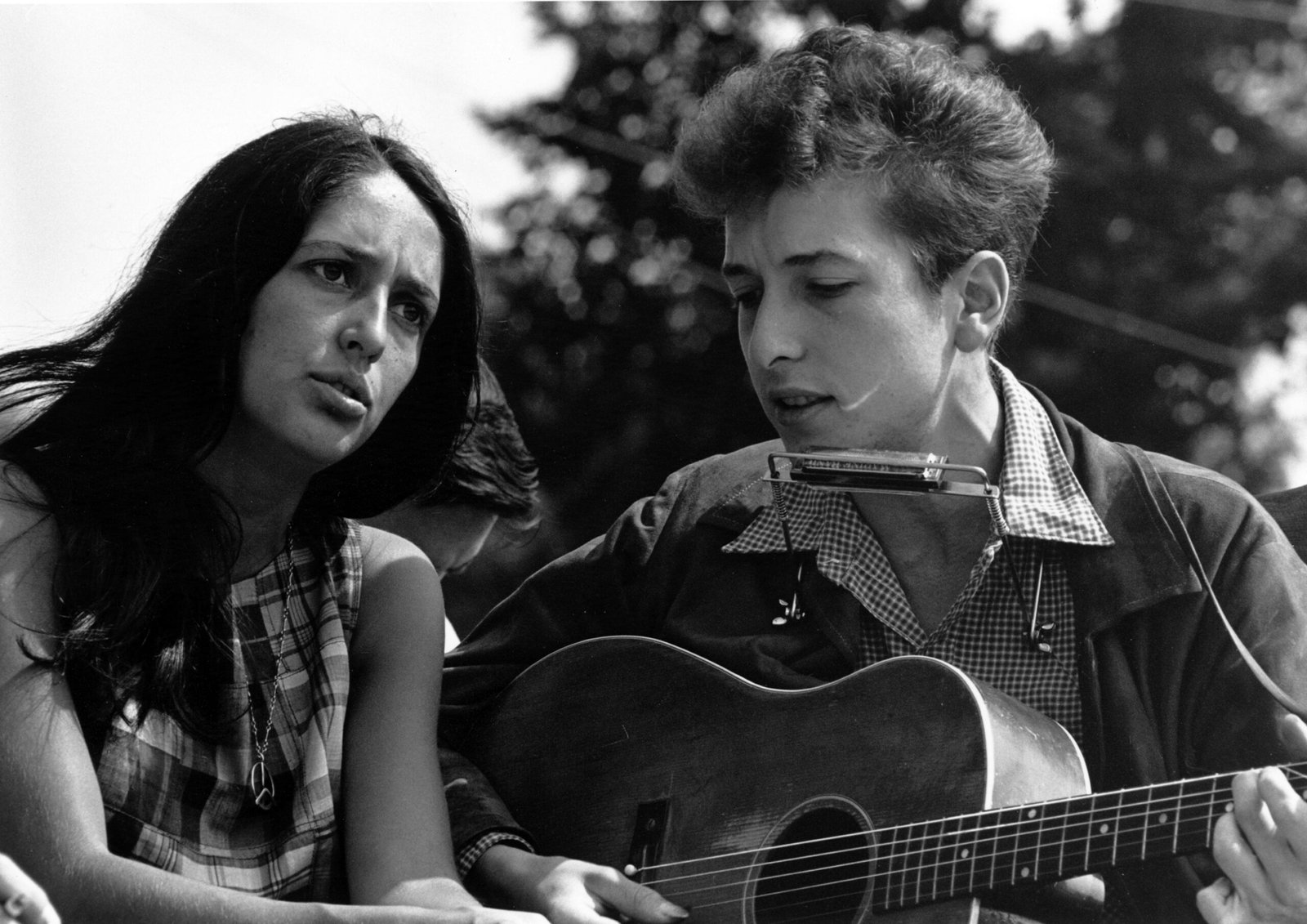
Bob Dylan’s six-minute masterpiece didn’t just break musical conventions in 1965, it shattered the comfortable world of radio programming and sent censors into a frenzy. Many radio stations initially refused to play the song because it exceeded the standard three-minute format, viewing it as commercially unviable and artistically pretentious. The song’s confrontational lyrics, which seemed to attack upper-class privilege and social conformity, made conservative programmers uncomfortable with its message. Some stations banned it outright, claiming the song promoted anti-establishment attitudes that could influence young listeners negatively. Religious groups particularly objected to lines they interpreted as blasphemous or morally corrupting. The controversy intensified when Dylan’s electric performance at the 1965 Newport Folk Festival was seen as a betrayal of traditional values, making radio stations even more hesitant to embrace his revolutionary sound.
4. “God Save the Queen” by Sex Pistols
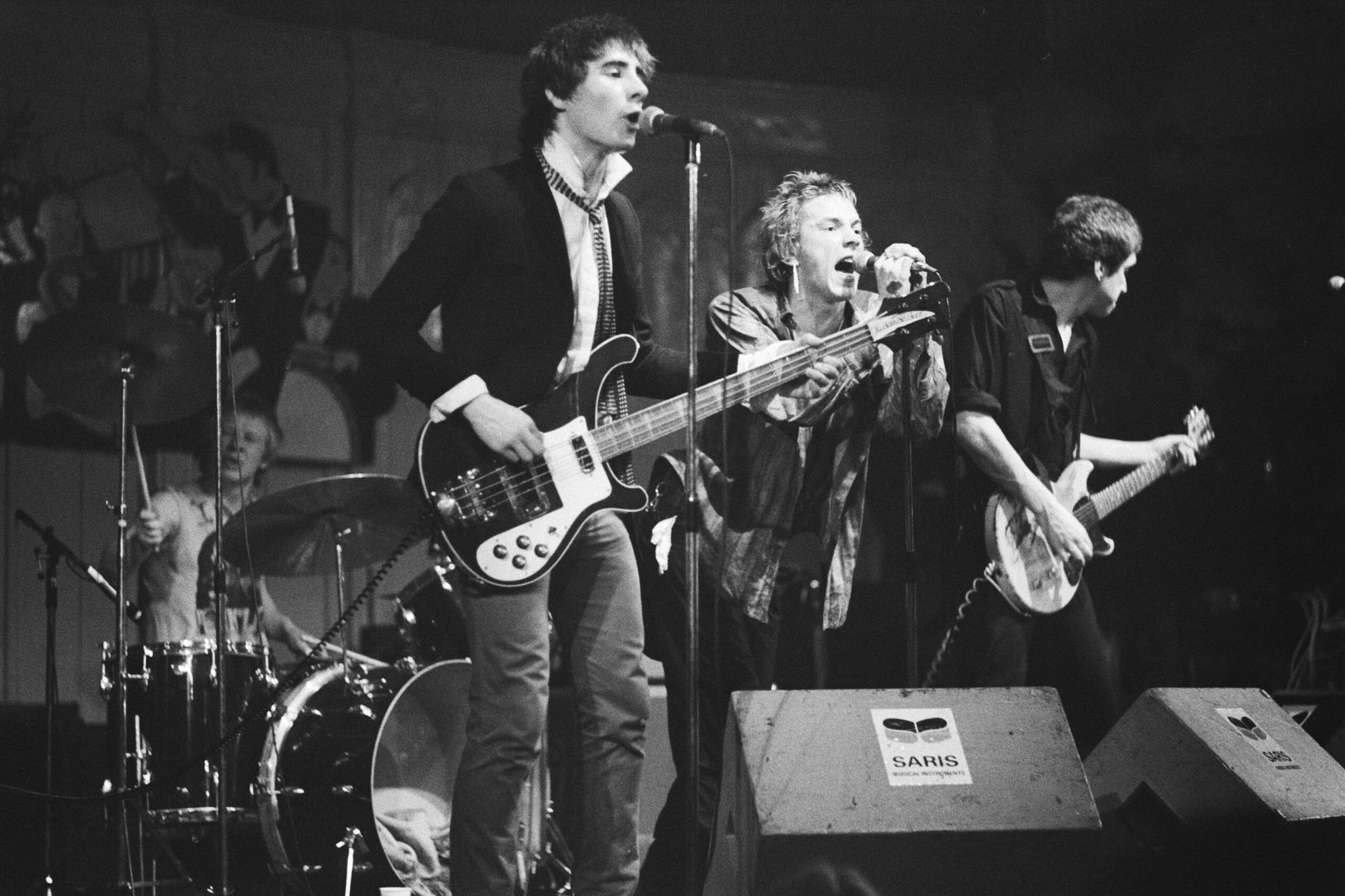
When the Sex Pistols released their anarchistic anthem during Queen Elizabeth II’s Silver Jubilee in 1977, they didn’t just offend British sensibilities, they triggered a massive backlash in American radio as well. The BBC banned the song immediately, and many American stations followed suit, viewing it as an attack on an allied nation’s sovereignty. The song’s lyrics, which called the Queen “a fascist regime” and declared “no future” for England, were seen as promoting dangerous anti-government sentiment during the Cold War era. Radio programmers feared that playing such explicitly anti-authoritarian music could encourage similar attitudes toward American institutions. The ban was so comprehensive that many record stores refused to stock the single, and some radio DJs faced suspension for attempting to play it. Despite reaching number two on the UK charts, the song remained largely absent from American airwaves for years, demonstrating how political content could transcend national boundaries in censorship decisions.
5. “Cop Killer” by Body Count
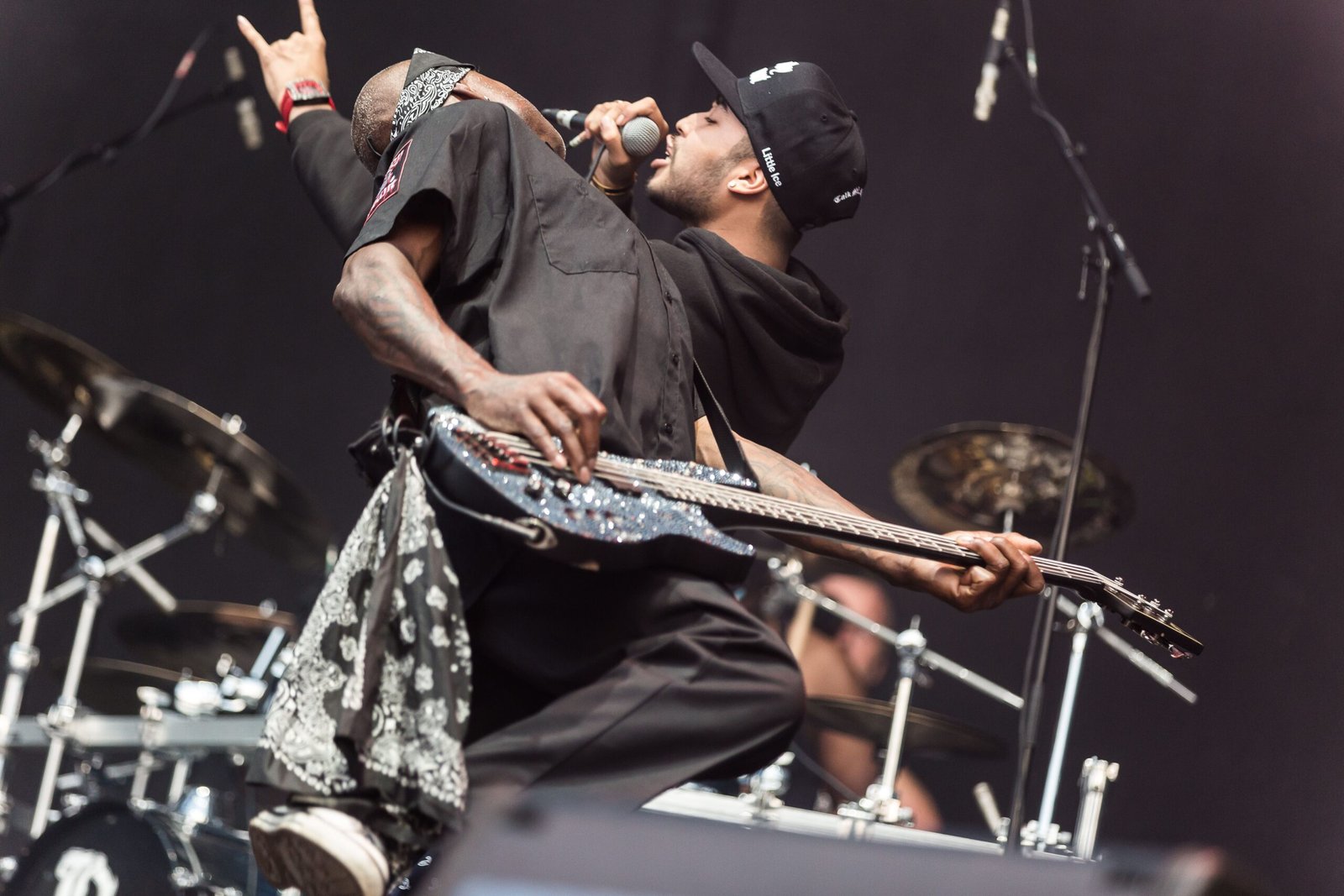
Ice-T’s metal band Body Count unleashed a firestorm in 1992 with this brutally direct song about police violence, creating one of the most intense censorship battles in American music history. The song emerged during heightened tensions following the Rodney King beating and subsequent LA riots, making its anti-police message particularly explosive. President George H.W. Bush and Vice President Dan Quayle publicly condemned the song, with Bush calling it “sick” and demanding its removal from stores. Time Warner, the parent company of Ice-T’s label, faced massive pressure from law enforcement organizations, stockholders, and political figures to ban the song. Police unions organized boycotts of Time Warner products, while some officers refused to provide security at concerts featuring the artist. The controversy became so intense that Ice-T voluntarily removed the song from future pressings of the album, though he defended his right to artistic expression throughout the ordeal.
6. “Fuck tha Police” by N.W.A
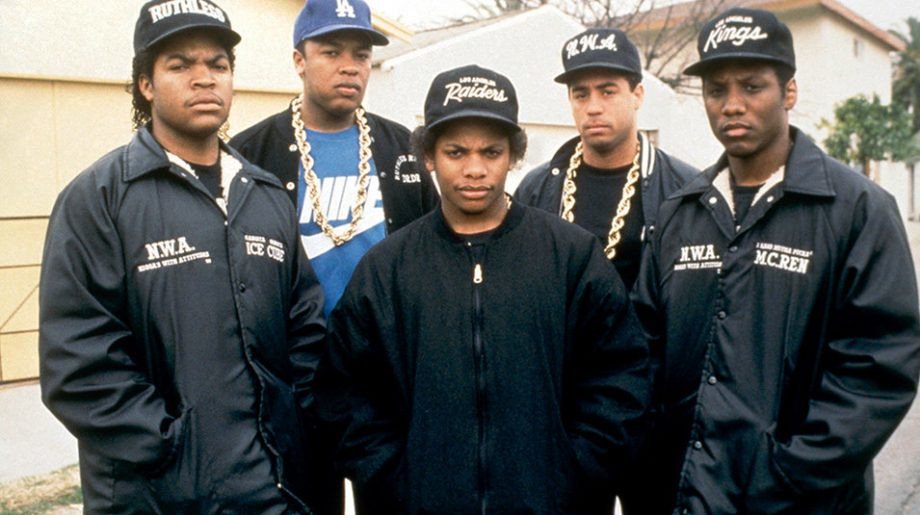
N.W.A’s explosive 1988 track didn’t just push boundaries, it obliterated them, becoming perhaps the most banned rap song in American radio history. The FBI sent a letter to the group’s record label expressing concern about the song’s potential to incite violence against law enforcement officers. Radio stations across the country refused to play the uncensored version, while many banned it entirely regardless of censorship attempts. The song’s graphic descriptions of police encounters in South Central Los Angeles were deemed too inflammatory for public consumption, especially given rising tensions between communities and law enforcement. Concert venues began canceling N.W.A performances, fearing potential riots or police interference. The controversy reached such heights that the group couldn’t perform the song at many venues without risking arrest or venue shutdown, effectively silencing one of hip-hop’s most powerful social commentaries through systematic censorship.
7. “Relax” by Frankie Goes to Hollywood

This British dance hit faced an unexpected ban wave in America during 1984, not for political reasons, but for its perceived sexual content and provocative music video. The BBC initially banned the song, claiming its lyrics were too sexually explicit, and American radio programmers quickly followed suit. Religious groups condemned the song’s apparent references to sexual climax, while conservative organizations pressured advertisers to boycott stations that played it. The music video, featuring leather-clad performers in suggestive scenarios, was banned from MTV and other music television programs across the country. What made this ban particularly interesting was how it revealed American attitudes toward European pop culture and sexuality in the 1980s. Despite the controversy, or perhaps because of it, the song achieved cult status among American listeners who sought it out through alternative channels, proving that censorship often amplifies rather than silences artistic expression.
8. “We’re an American Band” by Grand Funk Railroad
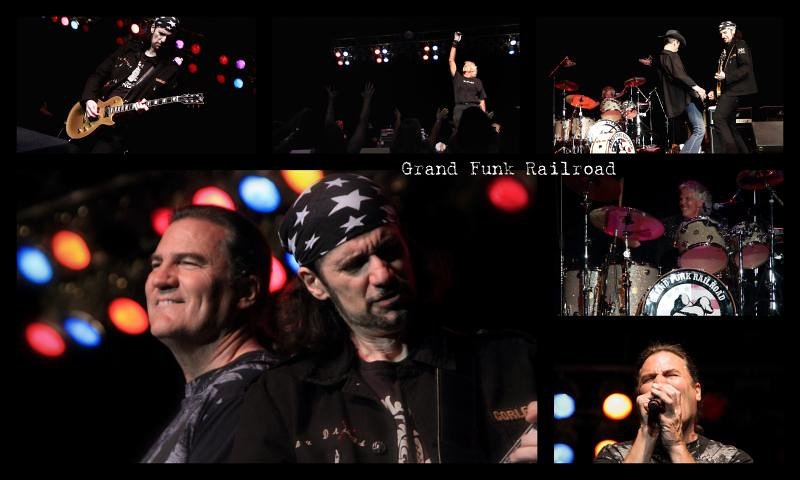
Surprisingly, this seemingly patriotic rock anthem faced bans in several American markets during 1973, not for anti-American sentiment, but for its perceived promotion of sex, drugs, and rock and roll lifestyle. Conservative radio programmers objected to lyrics describing backstage encounters with groupies and the hedonistic touring lifestyle. Religious groups viewed the song as glorifying immoral behavior under the guise of American pride, making it particularly offensive to their sensibilities. Some stations pulled the song after receiving complaints from parents who felt it promoted inappropriate behavior to young listeners. The irony wasn’t lost on many observers that a song celebrating American rock music was being censored by Americans themselves. Radio programmers in more conservative markets remained hesitant to play the song during family listening hours, effectively limiting its exposure despite its commercial success.
9. “Blurred Lines” by Robin Thicke

Robin Thicke’s 2013 hit became one of the most controversial songs of the modern era, facing bans and boycotts across American institutions for its perceived promotion of rape culture. Universities across the country banned the song from campus events, with student unions citing its lyrics as promoting sexual assault and objectification of women. Many radio stations pulled the song from regular rotation following organized campaigns by women’s rights groups and sexual assault prevention organizations. The song’s music video, featuring nude models and misogynistic imagery, was banned from numerous platforms and public venues. Corporate events and wedding venues began refusing to play the song, responding to public pressure and changing social attitudes toward consent and sexual harassment. The controversy intensified when Thicke lost a high-profile copyright lawsuit over the song, with many viewing it as karmic justice for what they saw as musical misogyny.
10. “I Want Your Sex” by George Michael
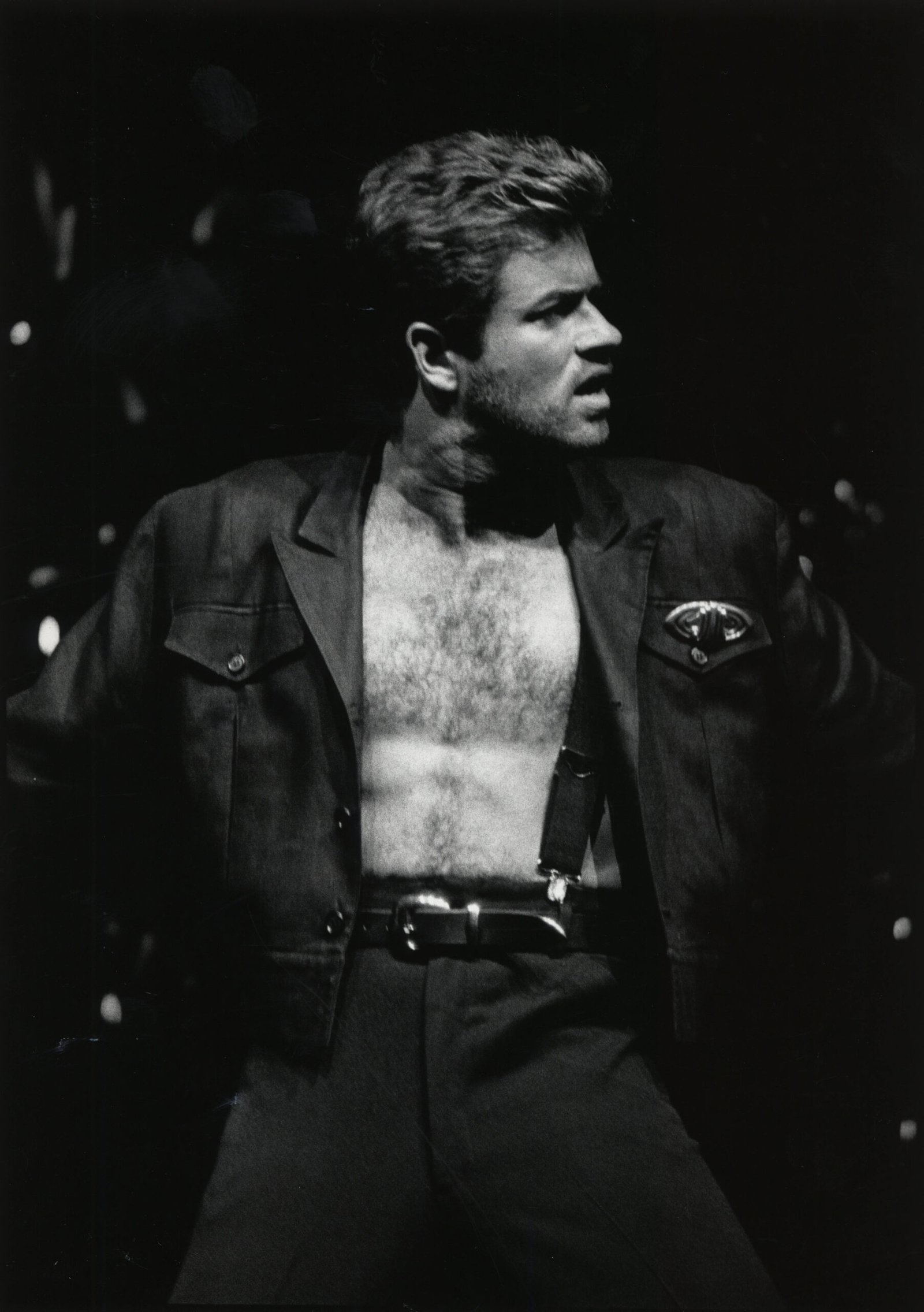
George Michael’s 1987 hit became a lightning rod for American censorship during the height of the AIDS crisis and conservative backlash against sexual expression. The song was banned from radio play during daytime hours in most American markets, with programmers citing its explicit sexual content as inappropriate for family audiences. MTV refused to air the uncensored music video, which featured the singer writing “EXPLORE MONOGAMY” on his partner’s body, viewing it as too provocative for television. Religious organizations launched campaigns against the song, claiming it promoted promiscuity during a time when safe sex education was desperately needed. The ban became particularly controversial because critics argued that the song actually promoted monogamous relationships rather than casual sex. Many stations that did play the song faced advertiser boycotts and listener complaints, forcing them to restrict it to late-night programming slots where fewer people would hear it.
11. “Imagine” by John Lennon

John Lennon’s peaceful plea for unity became one of the most paradoxically banned songs in American history, censored for its anti-religious and anti-nationalist message. After the September 11 attacks, Clear Channel Communications distributed a list of “lyrically questionable” songs to its 1,200 radio stations, and “Imagine” was prominently featured due to its line about “no religion too.” Conservative religious groups had long opposed the song for its perceived atheistic message, viewing Lennon’s call to “imagine no heaven” as blasphemous and dangerous to Christian values. During various periods of patriotic fervor, including the Gulf War and post-9/11 era, radio programmers avoided the song for its anti-nationalist sentiment and pacifist message. The irony that a song about peace and love was banned during times when those qualities were most needed wasn’t lost on civil liberties advocates. Some stations received threats from religious extremists for playing the song, while others faced boycotts from nationalist groups who viewed it as unpatriotic during wartime.
12. “Monster” by Steppenwolf
This 1969 anti-war epic faced significant censorship for its scathing critique of American foreign policy and domestic surveillance during the Vietnam War era. The song’s lengthy lyrics attacked everything from military-industrial complex to government corruption, making it too controversial for many radio stations during a time of national division. Radio programmers feared playing such explicitly anti-government content during wartime, worried about appearing unpatriotic or facing government scrutiny. The FBI actually monitored Steppenwolf’s activities partly due to this song’s influence on anti-war protests and counterculture movements. Some stations that attempted to play the song faced pressure from local government officials and patriotic organizations to remove it from their playlists. The song’s length—over seven minutes—also made it difficult to fit into standard radio formats, giving programmers an excuse to avoid its controversial content while citing practical concerns.
13. “99 Luftballons” by Nena
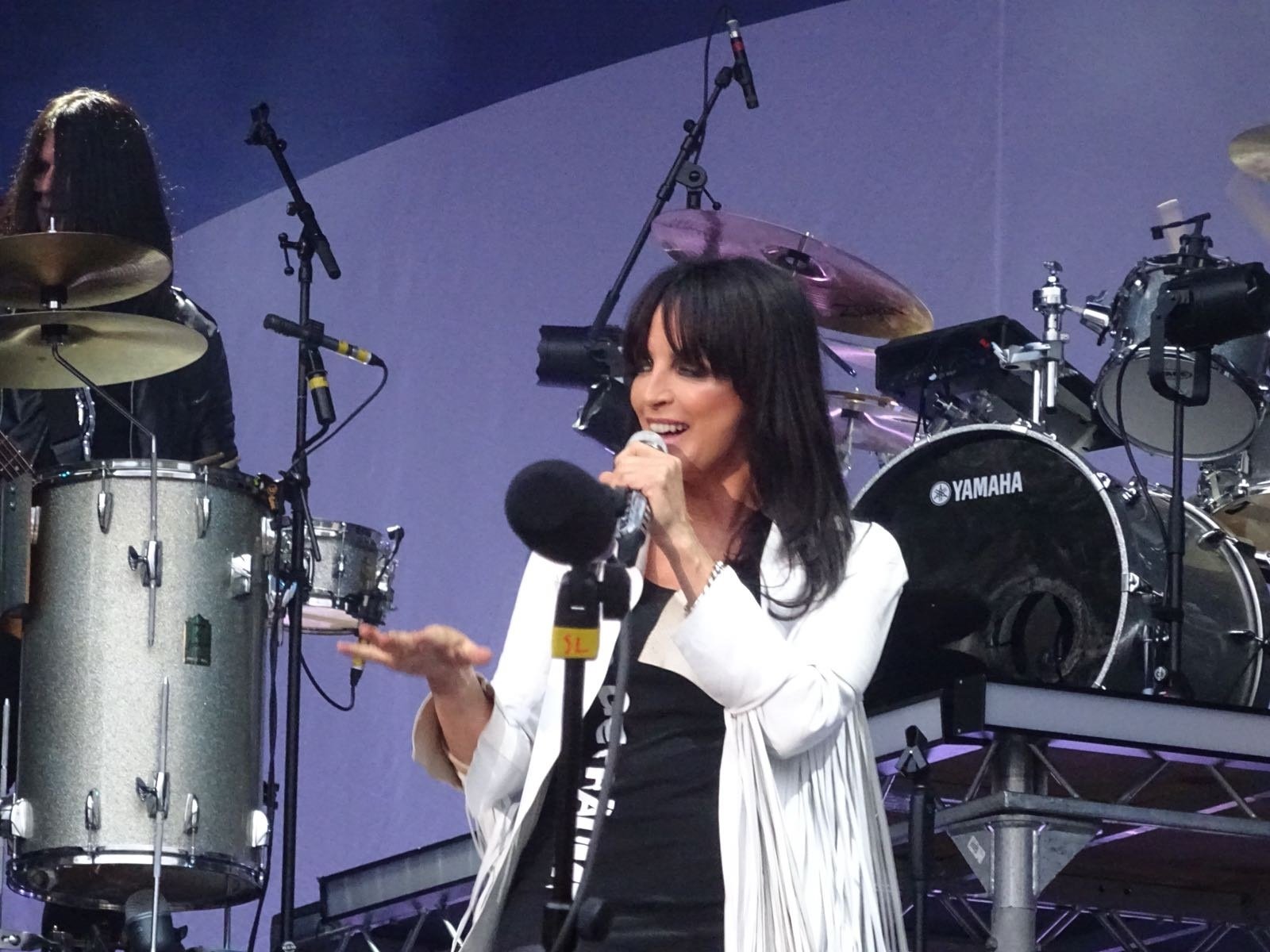
This German new wave hit about nuclear war became surprisingly controversial in America during 1984, as Cold War tensions made its anti-war message particularly sensitive for radio programmers. The song’s story about balloons mistaken for enemy aircraft triggering nuclear destruction was seen as too provocative during heightened tensions with the Soviet Union. Many American radio stations initially refused to play the German version, citing language barriers, but even the English version faced restrictions due to its anti-nuclear message. Conservative groups objected to what they saw as anti-American propaganda from a NATO ally, while some military installations banned the song entirely. The controversy intensified when peace activists began using the song at anti-nuclear rallies, making radio programmers even more hesitant to play it. Despite its catchy melody, many stations relegated it to specialty programming or avoided it altogether, demonstrating how geopolitical tensions could influence seemingly innocent pop music.
14. “Born in the U.S.A.” by Bruce Springsteen
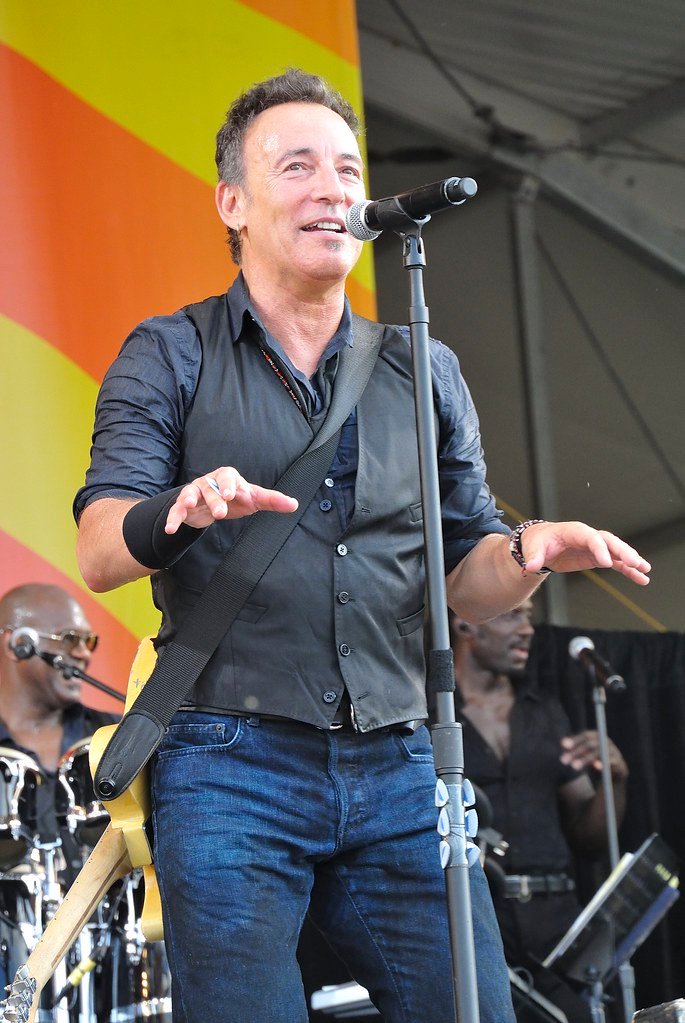
Bruce Springsteen’s 1984 anthem became one of America’s most misunderstood songs, facing bans from conservative stations once they realized its true anti-war message beneath the patriotic-sounding chorus. Initial radio play was widespread because programmers assumed it was a patriotic celebration, but many pulled it once they actually listened to the verses about Vietnam War veterans’ struggles. Conservative politicians who had embraced the song during campaign rallies distanced themselves after critics pointed out its critique of American foreign policy and treatment of veterans. Some radio stations banned it specifically because they felt deceived by its misleading patriotic sound masking anti-government sentiment. Military radio stations were among the first to recognize the song’s true message and restrict its play, despite its popularity among service members. The controversy highlighted America’s complex relationship with both patriotic imagery and legitimate criticism of government policies, showing how context and interpretation could transform a song’s reception completely.
15. “WAP” by Cardi B featuring Megan Thee Stallion
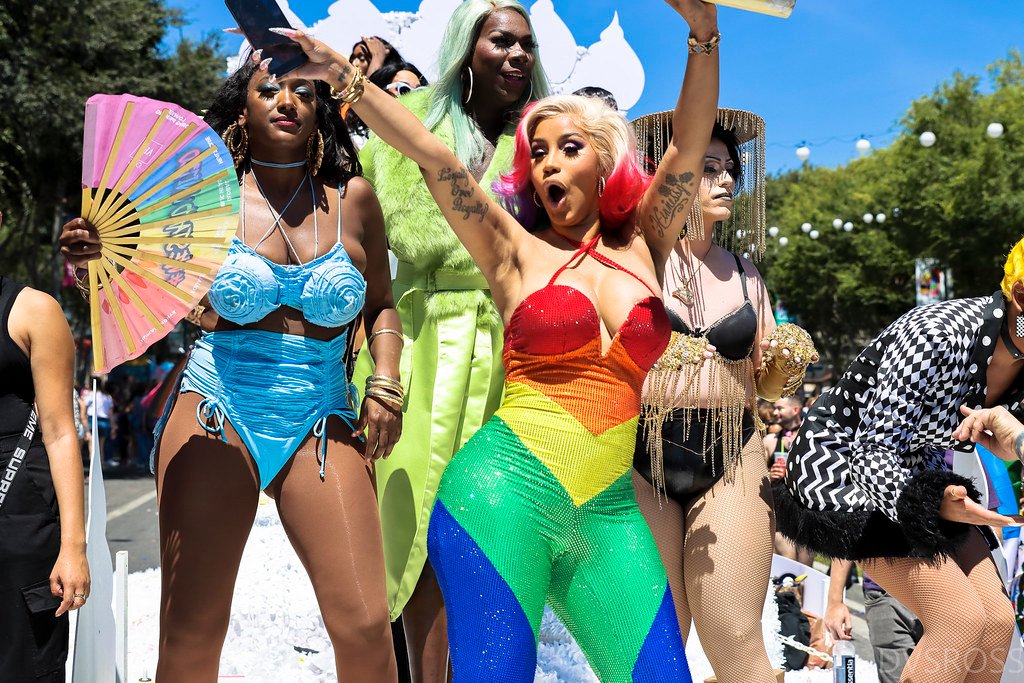
Cardi B and Megan Thee Stallion’s 2020 collaboration became the most banned song of the streaming era, with radio stations, schools, and public venues refusing to play even heavily censored versions. The song’s explicit sexual content sparked nationwide debates about female sexuality, artistic freedom, and moral standards in popular music. Conservative politicians, including several governors, publicly condemned the song and called for its removal from streaming platforms and radio airwaves. School districts across the country banned students from referencing the song or its dance moves, with some implementing specific disciplinary measures for violations. Corporate sponsors pulled advertising from radio programs that played the song, while family-oriented venues refused to include it in their music rotations. The controversy revealed deep cultural divisions about women’s sexual agency and expression, with supporters arguing it represented female empowerment while critics claimed it degraded public discourse and corrupted youth culture.
What makes these musical controversies so fascinating is how they reveal the deeper fault lines in American society—from race relations to sexual freedom, from religious beliefs to political ideology. Each ban tells a story not just about music, but about the times that shaped our collective fears and values. Did you expect that a simple song could trigger FBI investigations or presidential condemnations?

Besides founding Festivaltopia, Luca is the co founder of trib, an art and fashion collectiv you find on several regional events and online. Also he is part of the management board at HORiZONTE, a group travel provider in Germany.
