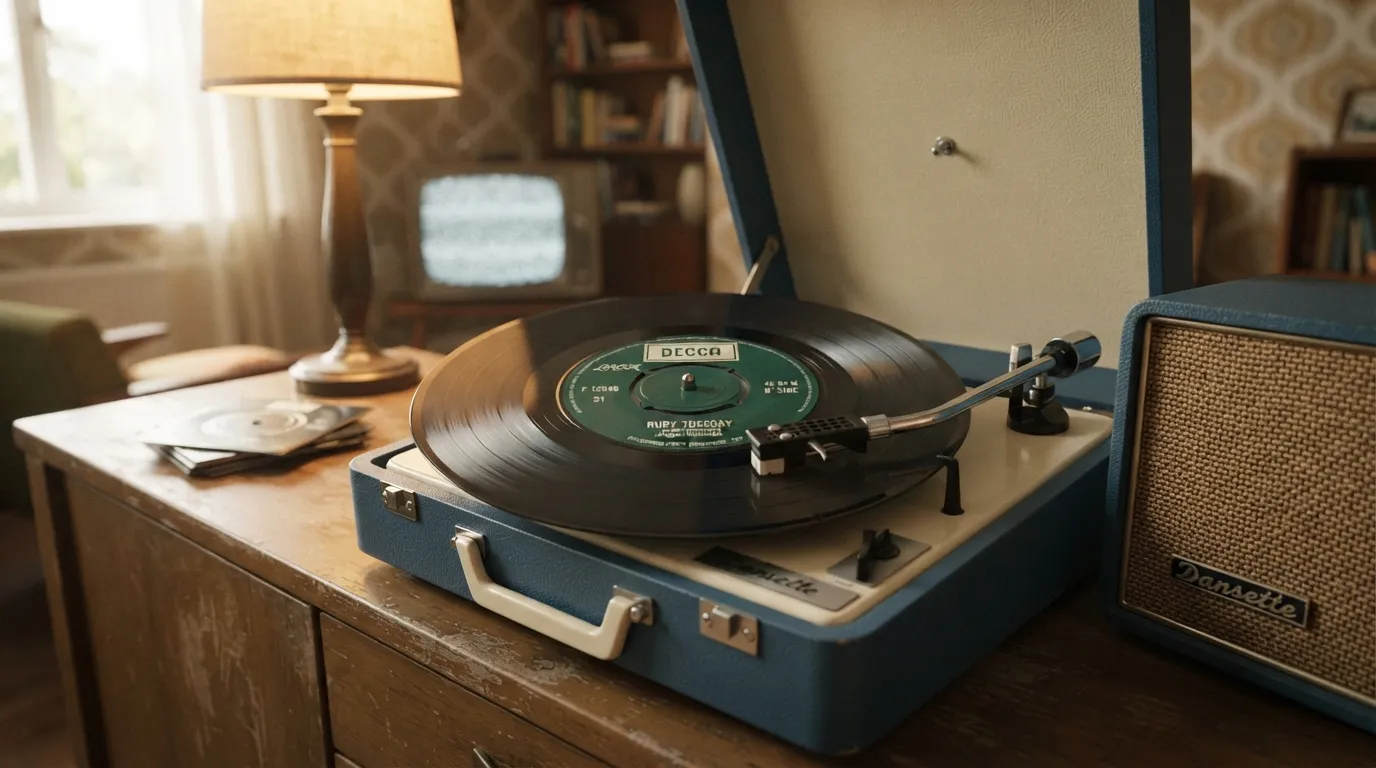
Nobody planned these hits. Each one was tucked onto the flip side of a 45, the spot labels used for filler, until DJs, a movie, or stubborn listeners flipped the record and rewrote the plan.
Some were tossed off in minutes. One began as an apology for a missed birthday. Another only became a smash when somebody else sang it. Start with a sax riff and a single shouted word, and see how many accidents ended up ruling the radio.
#14 – Tequila by The Champs
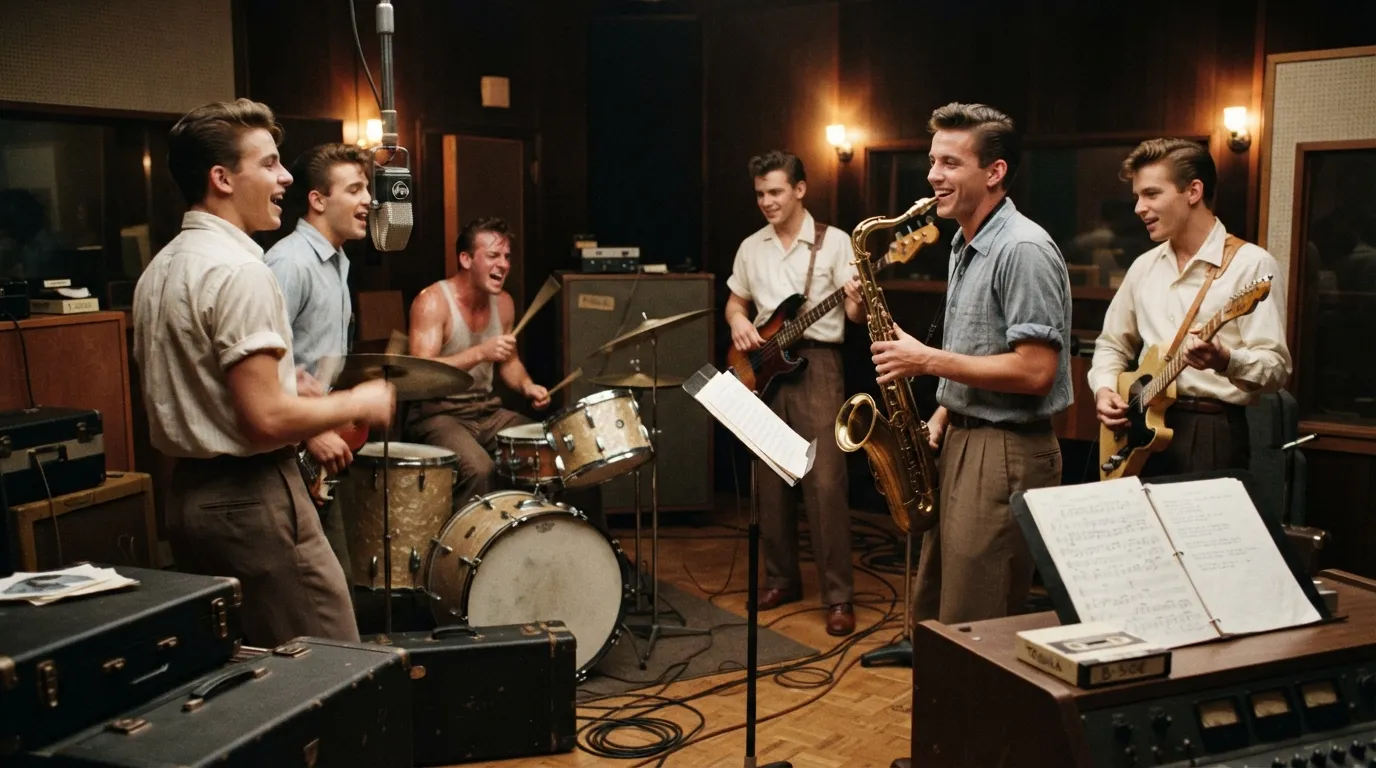
Picture a session winding down, the band ready to leave, and the label still needing a flip side. That’s the setup for “Tequila,” a loose sax-and-percussion jam The Champs tacked onto the back of “Train to Nowhere” in late 1957.
Then a Cleveland disc jockey played the wrong side. Listeners lit up, and by March 1958 the instrumental had hit number one on the Billboard Hot 100.
It’s easy to hear why. The riff is simple, the groove swaggers, and the only lyric is one gleefully shouted word: “Tequila!” There’s nothing to learn, so everybody can join in, which is exactly what party crowds did.
That single word has been a gift to movies, commercials, and wedding bands ever since. The A-side the label meant to sell faded fast, while the throwaway kept getting louder.
The lesson of this whole countdown starts here: the people who make the record don’t always pick the hit. Sometimes the person holding the needle does.
#13 – Wipe Out by The Surfaris
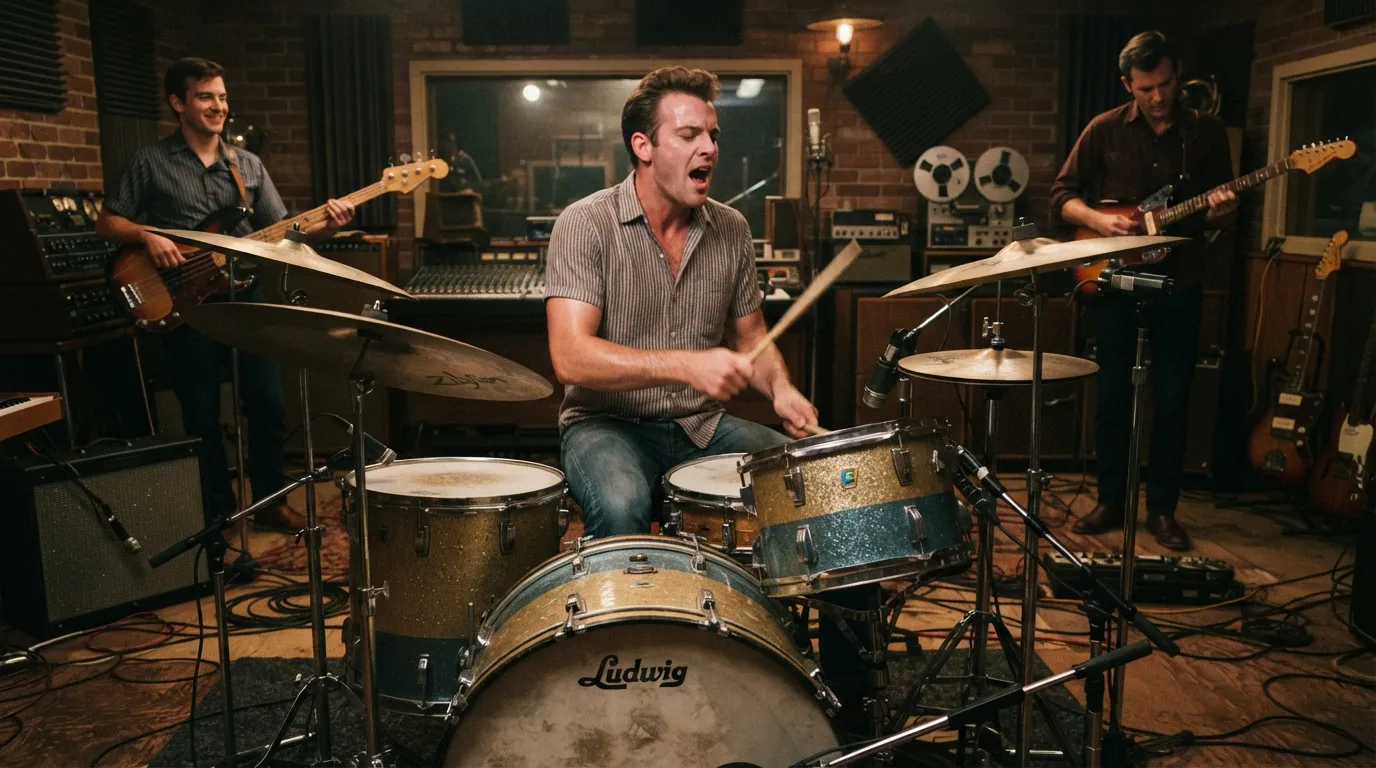
Another rushed session, another empty flip side. In 1963, The Surfaris needed something to go behind “Surfer Joe,” so they put together an instrumental built on a surf-guitar hook and a drum solo.
The track opens with a spoken “wipe out” and a cackle, a studio joke that now feels like a trademark. Then drummer Ron Wilson takes off, and drummers have been trying to copy that solo ever since.
Radio picked the instrumental. “Wipe Out” climbed to number two on the Hot 100 in 1963, while “Surfer Joe” never came close.
The record found a second wind in 1966, when it charted again, and it has been a fixture of movie and TV soundtracks ever since.
That’s a long career for a song nobody planned to promote. The A-side was supposed to be the star. The filler stole the show with a cackle and a drum fill.
#12 – Rock Around the Clock by Bill Haley and His Comets
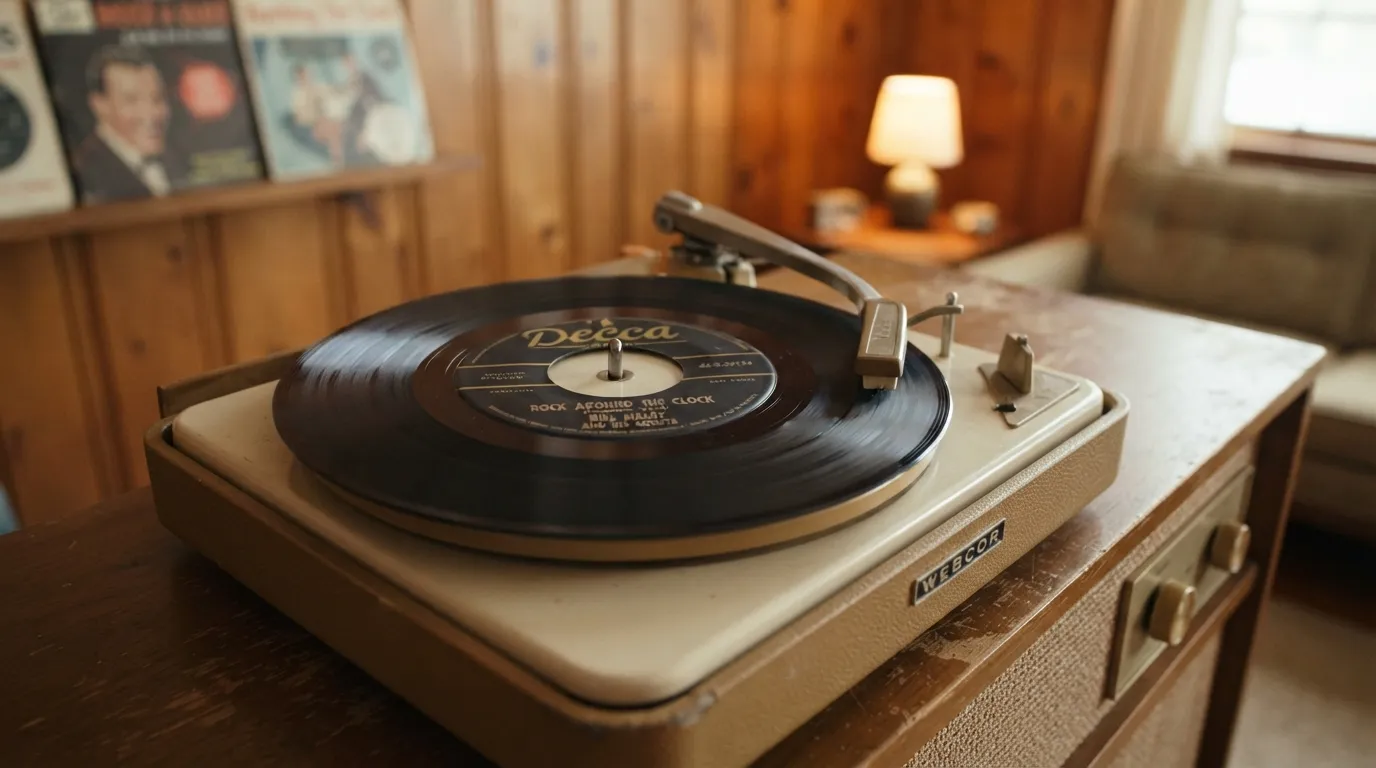
In 1954, Bill Haley and His Comets put “Rock Around the Clock” on the back of “Thirteen Women,” and almost nobody cared. Sales were modest, and Haley moved on to other singles.
Then Hollywood stepped in. The song played over the opening credits of the 1955 film Blackboard Jungle, a movie about a rowdy high school, and the record’s second life began.
Fast Facts
- Recorded in April 1954, a year before the film made it famous.
- Blackboard Jungle reached theaters in 1955.
- The record hit number one in July 1955 and stayed there for eight weeks.
- The A-side, “Thirteen Women,” is barely remembered today.
Radio flipped the 45, and “Rock Around the Clock” became the first rock and roll record to top the Billboard chart. A song that started as an afterthought handed a whole genre its first national anthem.
It wasn’t finished, either. After it was used as the theme for TV’s Happy Days, it re-entered the chart in 1974 and reached number 39.
Notice who made the call that changed everything. It wasn’t the label. It was a few seconds of music over a movie’s opening credits.
#11 – Hound Dog by Elvis Presley
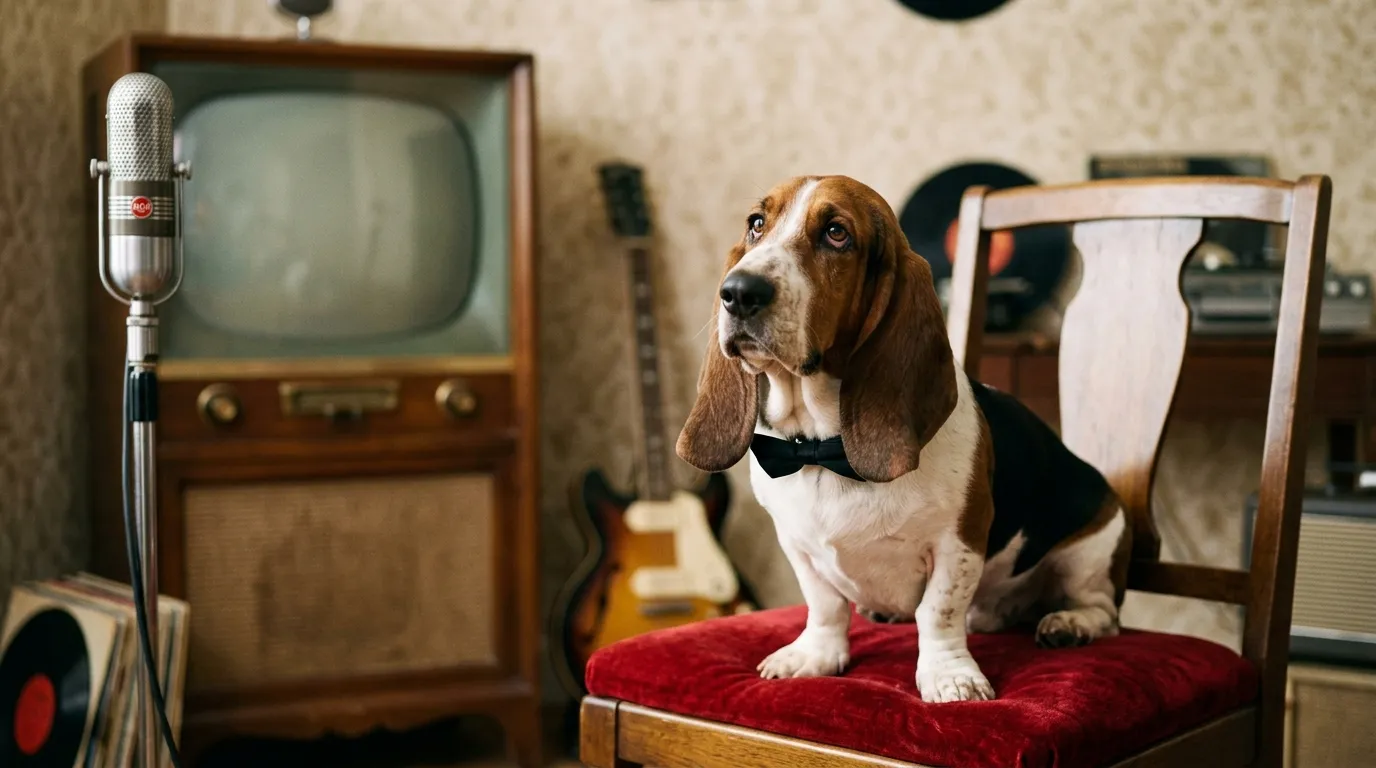
In 1956, Elvis Presley’s label paired two future classics on one single: “Don’t Be Cruel” on the A-side, “Hound Dog” on the flip. Together, the double-sided record spent 11 weeks at number one.
“Hound Dog” was no polite B-side. Big Mama Thornton had recorded it first in 1952, and Elvis hit it with a snarl, taking 31 takes in the studio to get it right.
Then came television. On The Steve Allen Show that summer, Presley sang it in a tuxedo to a basset hound, and the stunt only made the song more famous.
The single also climbed the R&B and country charts at the same time as pop. That’s rare, and it suggests how many kinds of listeners were drawn to a song stuck on the back of a ballad.
The flip side didn’t just keep up with the A-side. It became the sound most people think of when they think of Elvis shaking things up.
#10 – Beth by Kiss
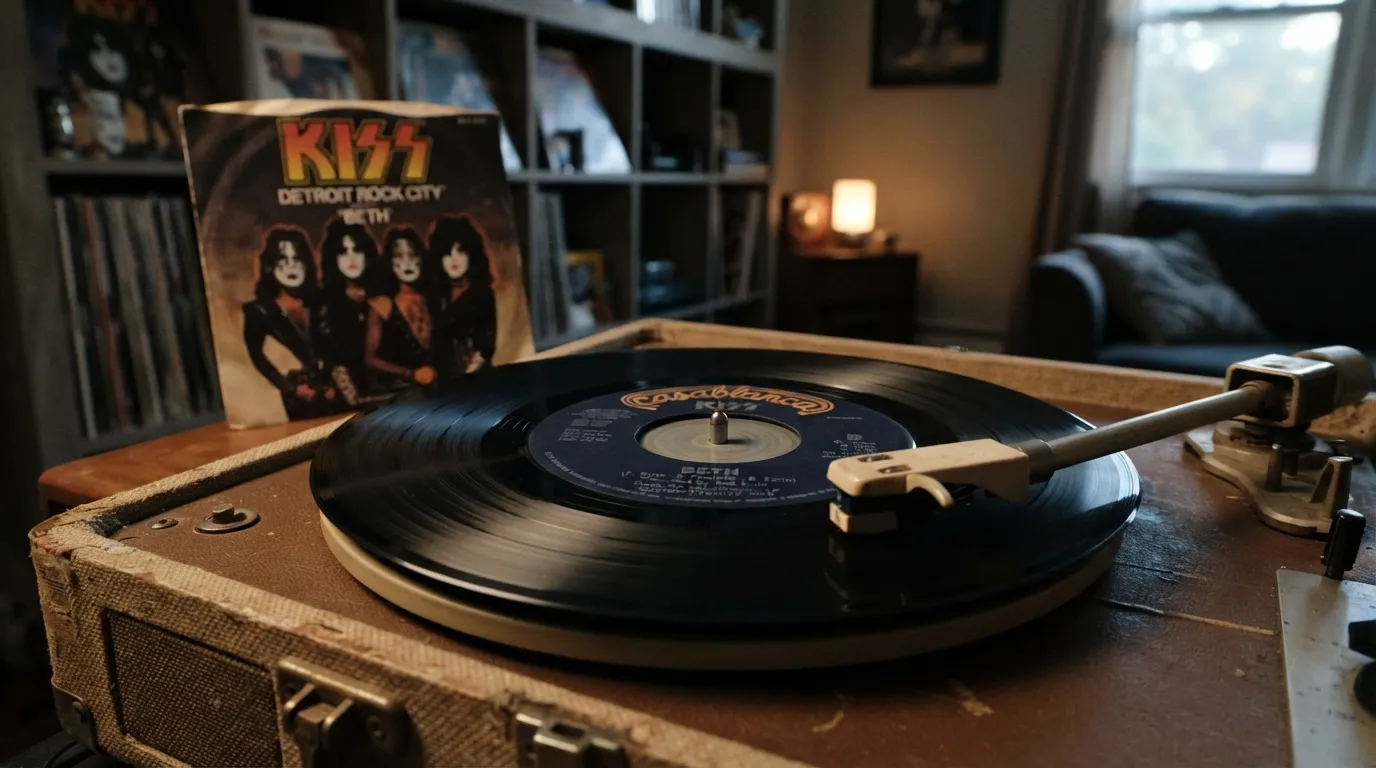
Kiss built its name on makeup, fire, and volume, which makes “Beth” the strangest hit in the catalog. The piano ballad, sung by drummer Peter Criss, was tucked on the back of “Detroit Rock City” in 1976.
The band had doubts. On the album Destroyer it was the gentle outlier, a song about a musician on the road who can’t make it home. Strings and a soft piano replaced the usual wall of guitars.
Radio played it anyway. “Beth” climbed to number seven on the Hot 100, giving Kiss its first top-ten hit, and the label eventually pushed it as its own single. It later won a People’s Choice Award.
Nothing in the Kiss playbook said a ballad could do this. A song the group wasn’t sure about became its biggest early crossover.
#9 – Black Water by The Doobie Brothers
The Doobie Brothers had a different single in mind in 1974. “Another Park, Another Sunday” took the A-side, while “Black Water,” a laid-back song Patrick Simmons wrote after a trip to New Orleans, went on the back.
Radio DJs started playing the B-side, and listener requests piled up. The label reissued it as a single, and in early 1975 it reached number one on the Hot 100.
It’s an odd chart-topper. The track is acoustic and front-porch easy, with a cappella harmonies and a relaxed groove, from a band better known for chugging guitar rock.
Part of its charm is that it sounds like a song you’ve always known. Nobody forced it on the radio. Listeners simply kept asking for it.
It was the Doobie Brothers’ first number-one single, and it came from the side nobody was supposed to flip.
#8 – I Feel Love by Donna Summer
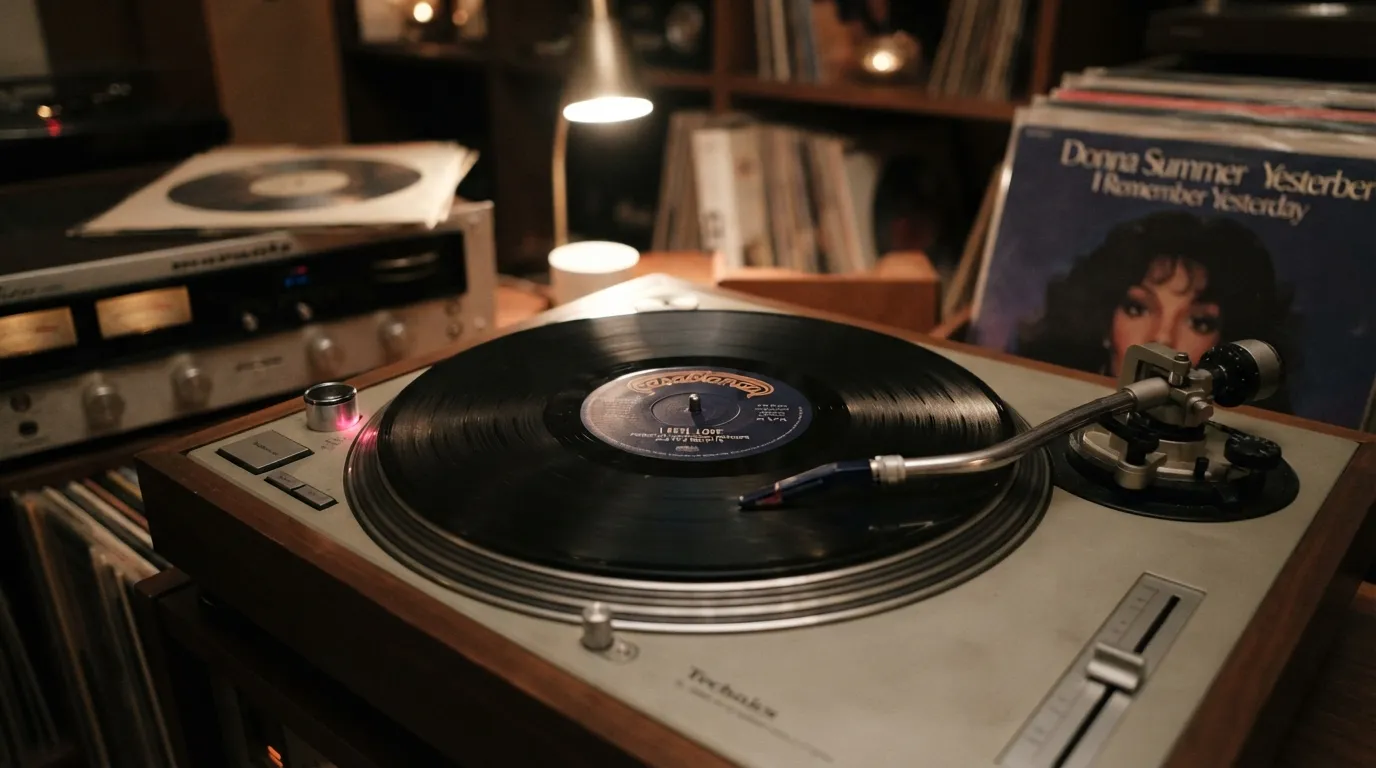
In 1977, Donna Summer’s U.S. single put “Can’t We Just Sit Down (And Talk It Over)” on one side and “I Feel Love” on the other. One side sounded like a disco record. The other sounded like a transmission from the future.
Producers Giorgio Moroder and Pete Bellotte built the track almost entirely from synthesizers, with a pulsing bass line that never lets up. Over it, Summer’s voice floats, calm and weightless.
Clubs and DJs seized on it. In the U.S., it reached number six on the Hot 100, and in the UK it went all the way to number one.
Its influence ran far beyond its chart run, shaping electronic and dance music for decades. The A-side was a perfectly good record. The B-side was a blueprint.
#7 – How Soon Is Now? by The Smiths
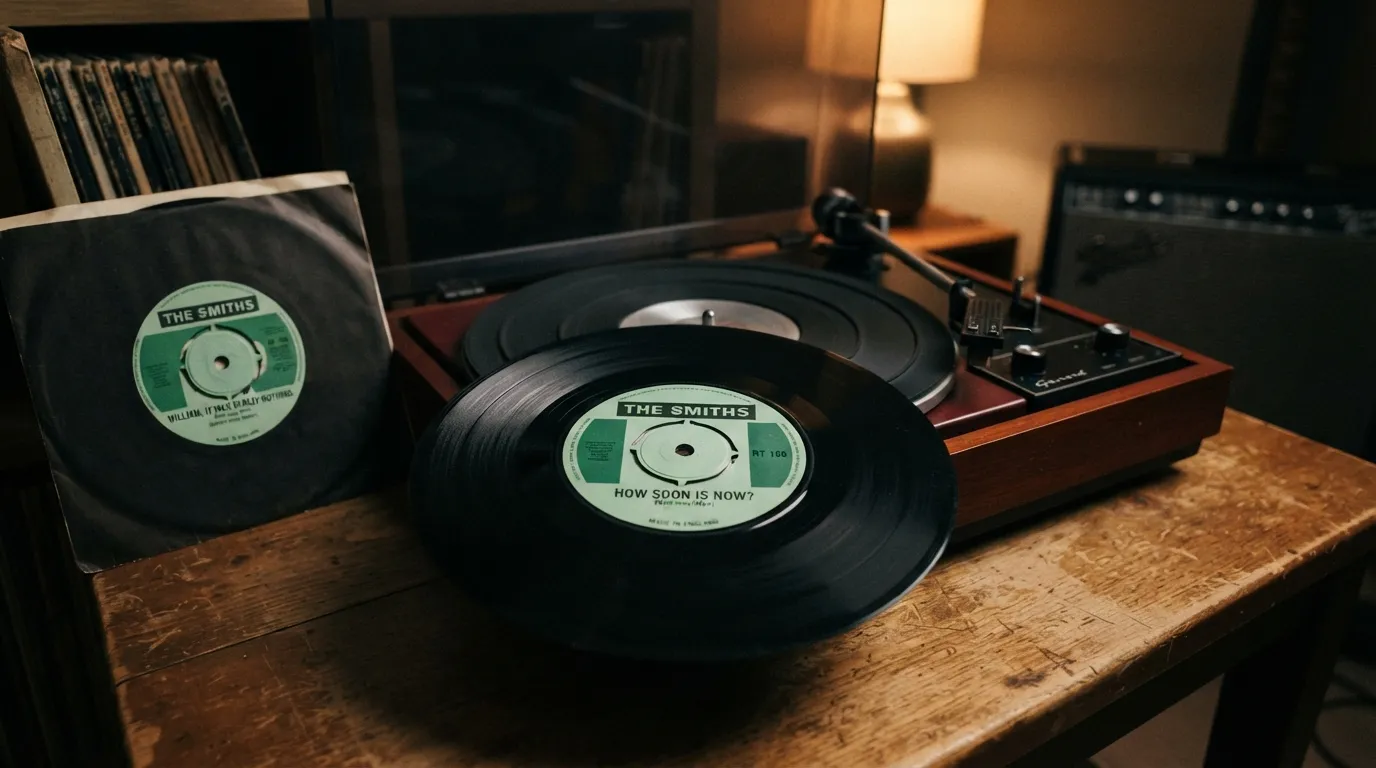
In 1984, The Smiths released “William, It Was Really Nothing,” a jangly, quick-fire pop single. On the back was something stranger: a track of more than six minutes, shuddering with tremolo guitar and aching with loneliness.
Quick Compare
- The A-side: “William, It Was Really Nothing” is bright, brisk, and over in about two minutes.
- The B-side: “How Soon Is Now?” is slow, hypnotic, and runs past the six-minute mark.
Johnny Marr built that pulsing guitar sound using tremolo on several amps, and Morrissey sang about the pain of showing up for a night out and still going home alone.
It didn’t explode right away. But listeners kept finding it. It was released as an A-side in the UK in 1985, and it charted again after a 1992 reissue.
Its afterlife kept growing. Love Spit Love’s cover became the theme to TV’s Charmed, and t.A.T.u. covered it too.
A B-side that started as the shy kid in the corner became one of the most recognizable songs in indie rock.
#6 – Pink Cadillac by Bruce Springsteen
Sometimes a B-side becomes a hit in someone else’s hands. In 1984, Bruce Springsteen put “Pink Cadillac” on the back of “Dancing in the Dark,” the single that carried his biggest album to the world.
The song was loose and rockabilly-flavored, a playful ode to a car, recorded during the Born in the U.S.A. era but left off the album. Fans who flipped the 45 found a looser, funnier Springsteen.
Then came Natalie Cole. Her 1988 cover reached number five on the Hot 100, and plenty of listeners met the song through her version.
Springsteen’s own recording wasn’t the chart hit, but it is still a fan favorite. It’s a reminder that a song tossed on the flip side can outlive the single it rode in on.
#5 – The Sweetest Thing by U2
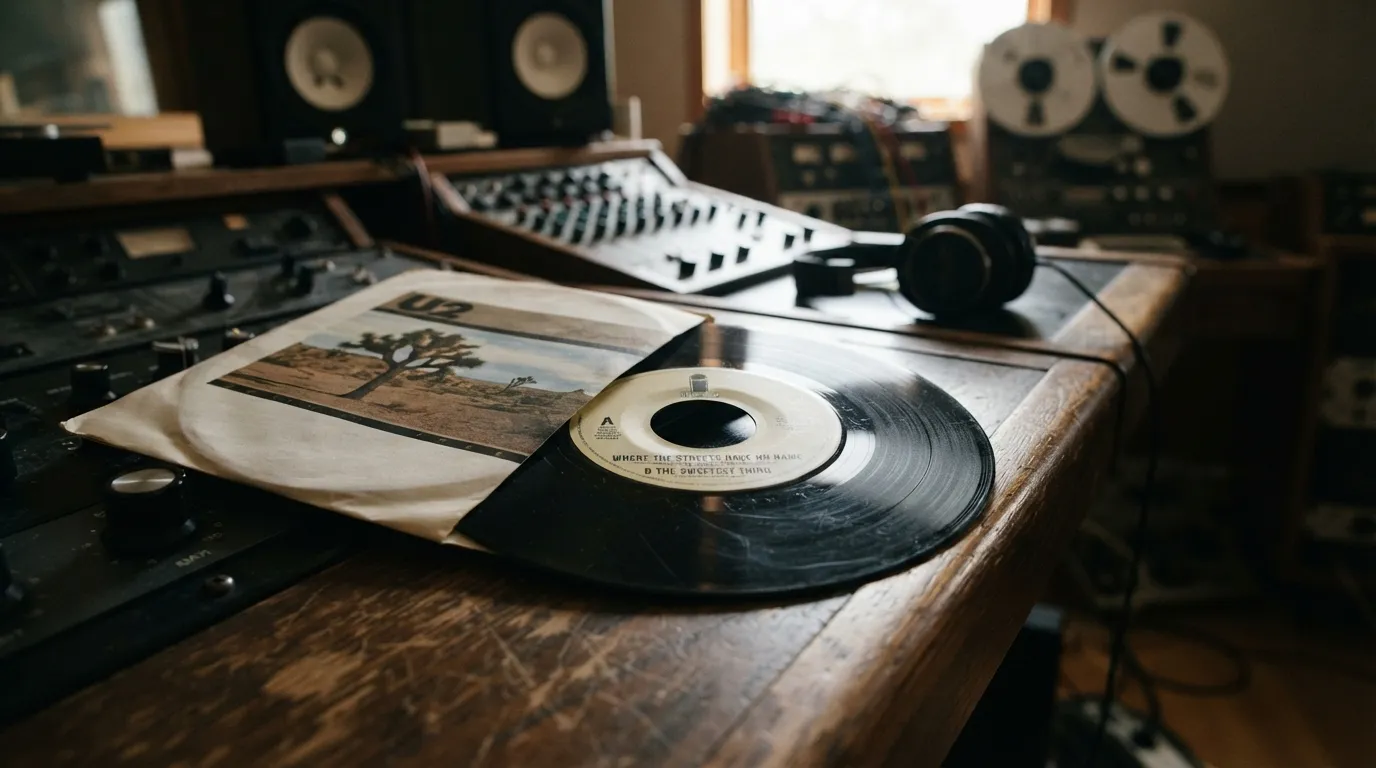
Bono once missed his wife’s birthday, and the result was a song. He wrote “The Sweetest Thing” as an apology to Ali after missing the day while U2 worked on The Joshua Tree.
It went on the back of “Where the Streets Have No Name” in 1987. The A-side was a huge, shimmering stadium anthem. The B-side was a bright, bouncy love note that felt almost casual.
U2 didn’t forget it. In 1998, the band re-recorded it for The Best of 1980-1990, released it as a single, and watched it reach number three in the UK.
The best part is the second chance. A song written to say sorry finally got heard properly a decade later.
#4 – Silver Springs by Fleetwood Mac

Rumours is one of the most celebrated albums ever made, and “Silver Springs” didn’t make the cut. Cut from the record, it ended up as the B-side to “Go Your Own Way” in 1977.
Stevie Nicks wrote it about her breakup with bandmate Lindsey Buckingham, and the pain is not subtle. It was a fiery, bitter goodbye placed on the back of a song that was itself a breakup song.
At a Glance
- Written by Stevie Nicks, not by the album’s usual lineup of co-writers.
- Left off Rumours, which arrived in February 1977.
- Finally landed on an album in 1997 with the live release The Dance.
- Also included on the 2004 expanded edition of Rumours.
The song’s legend grew over the years. In the band’s 1997 reunion performance, filmed for The Dance, Nicks sang it while staring across the stage at Buckingham. Fans still talk about that moment.
Radio stations occasionally played it, and later reissues helped it find new listeners. For many fans, the flip side outshines the song that got the push.
#3 – Kung Fu Fighting by Carl Douglas
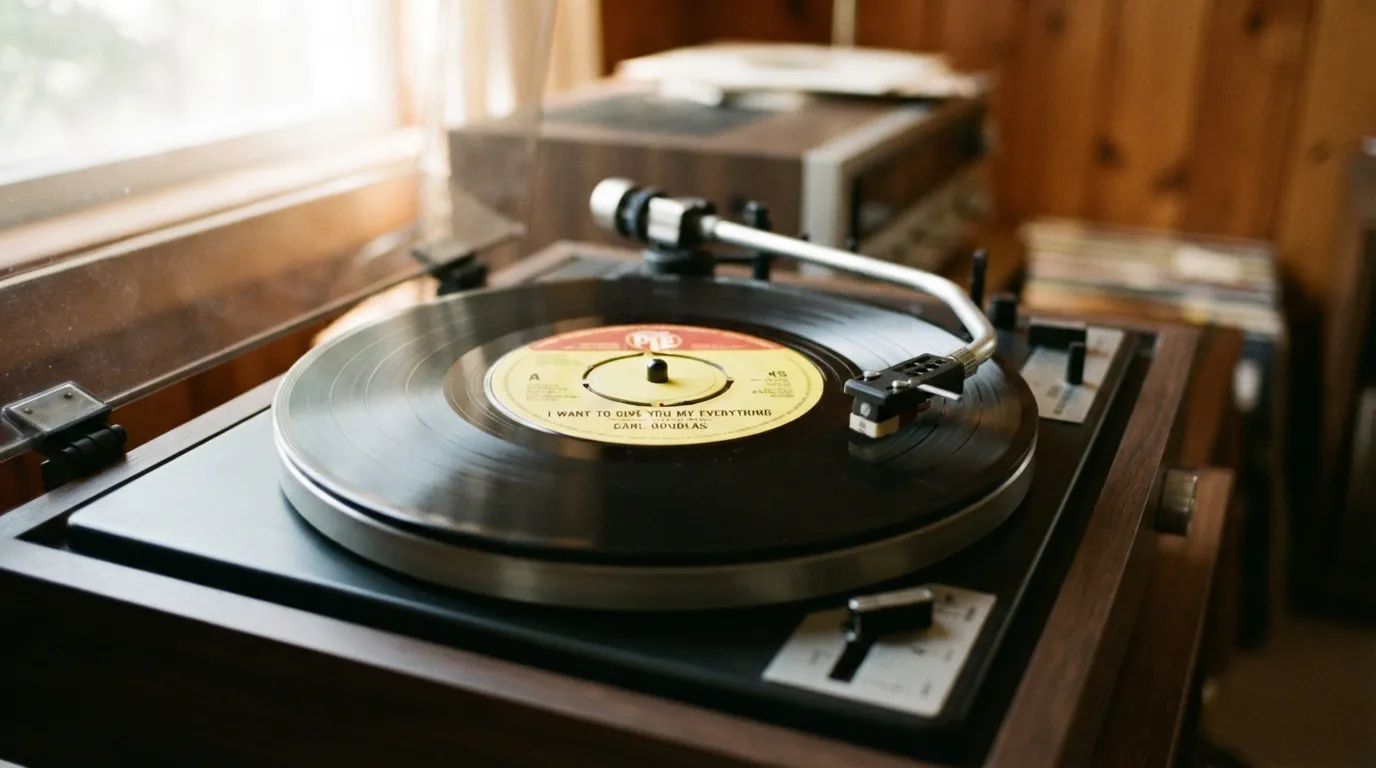
In 1974, producer Biddu needed a flip side for Carl Douglas’s single “I Want to Give You My Everything.” With reportedly only minutes left in the session, Douglas came up with “Kung Fu Fighting.”
It was recorded fast, with a chorus of chopping “huh!” and “hah!” shouts. The idea seemed silly. It also happened to land in the middle of a kung-fu movie craze.
The label heard something in the throwaway and moved it to the A-side. The song reached number one on the Hot 100 and became a disco-era staple, also topping the UK chart.
Douglas was born in Jamaica and raised in London, and that mix of backgrounds gives the song a distinct flavor. It remains one of the most recognizable one-hit wonders of the era.
A last-minute filler became the thing everyone remembers.
#2 – Ruby Tuesday by The Rolling Stones
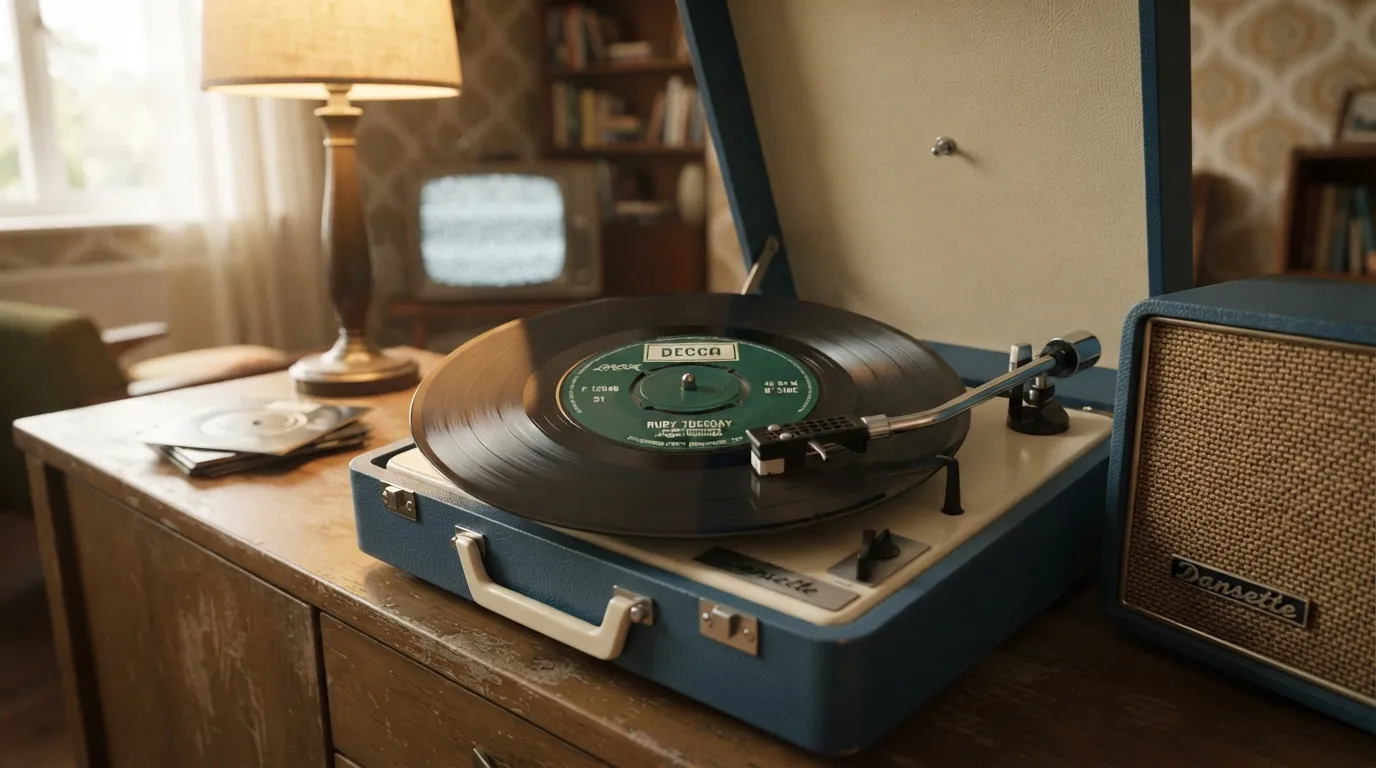
In 1967, The Rolling Stones released “Let’s Spend the Night Together” as the headline single, with “Ruby Tuesday” on the back. The A-side had a naughty title that made TV censors nervous.
On The Ed Sullivan Show, Mick Jagger was famously pushed to change the line to “let’s spend some time together.” Meanwhile, DJs flipped the record and found something much softer.
Worth Knowing
- The Sullivan appearance took place in January 1967.
- “Ruby Tuesday” hit number one on the Hot 100 that spring.
- The “headline” song peaked at number 55 in the U.S.
- Brian Jones played recorder on the track.
“Ruby Tuesday” is a wistful ballad with a haunting melody and a recorder played by Brian Jones. It reached number one on the Hot 100, while the other side stalled far lower.
The controversial song was supposed to be the star. Instead, the gentle farewell song became one of the Stones’ signature ballads.
#1 – Maggie May by Rod Stewart
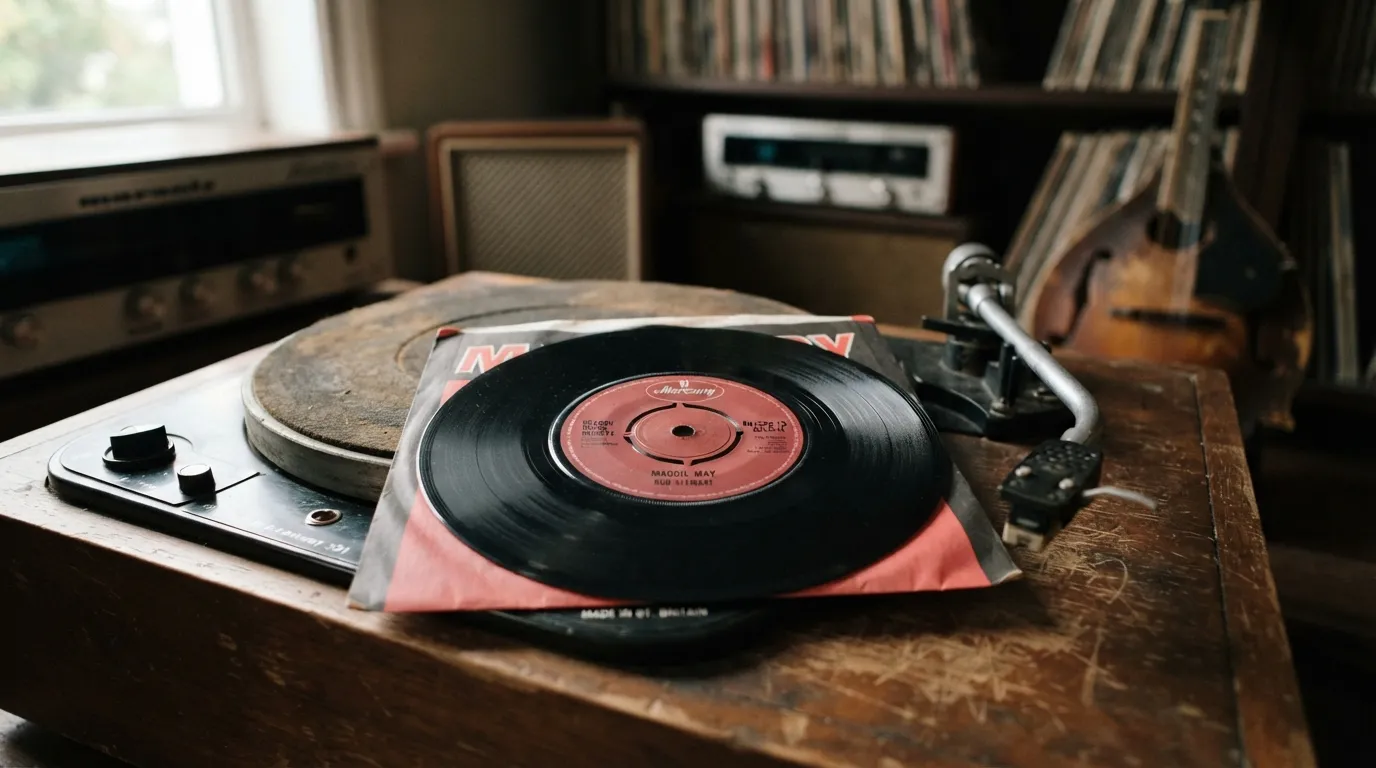
In 1971, Rod Stewart’s label released “Reason to Believe” as the single and slid “Maggie May” onto the back. Stewart reportedly thought of it as filler.
Radio DJs flipped the record. The song spent five weeks at number one on the Hot 100, and it topped the charts on both sides of the Atlantic.
It’s hard to hear why it was ever an afterthought. A mandolin, played by Ray Jackson of Lindisfarne, and Stewart’s raspy voice give the story of a teenage boy and an older woman a rueful warmth. Stewart has said it grew out of a youthful encounter.
The song turned Stewart into a solo star, and it still sounds like it belongs on every classic-rock station.
Every song on this list was supposed to be the afterthought. “Maggie May” was the one that ran away with the whole record.