American history often spotlights generals, presidents, and famous orators. Yet countless others labored in the shadows, their quiet resolve tipping the scales at critical moments. These individuals, from spies slipping through enemy lines to pioneers breaking racial barriers, reshaped the nation in profound ways.[1][2]
Their stories reveal how everyday courage fueled grand transformations. Spanning wars, inventions, and social upheavals, these heroes remind us that history thrives on overlooked efforts.
James Armistead Lafayette
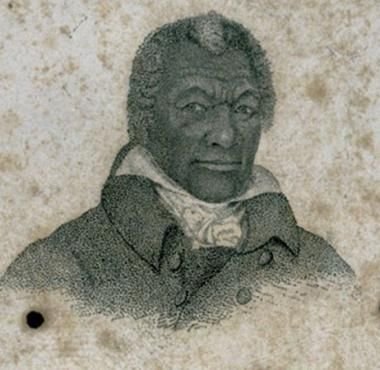
James Armistead Lafayette, an enslaved African American, volunteered to spy for the Continental Army during the Revolutionary War. Posing as a runaway slave, he infiltrated British General Cornwallis’s camp and gained trust as a double agent. His reports on troop movements proved vital, especially relaying plans that aided the American victory at Yorktown in 1781.[3][4]
Lafayette earned his freedom through his service and later received a pension. His intelligence work helped secure American independence, influencing the war’s outcome. Today, he stands as a symbol of Black contributions to the nation’s founding, often eclipsed by more prominent figures.[5]
Haym Salomon
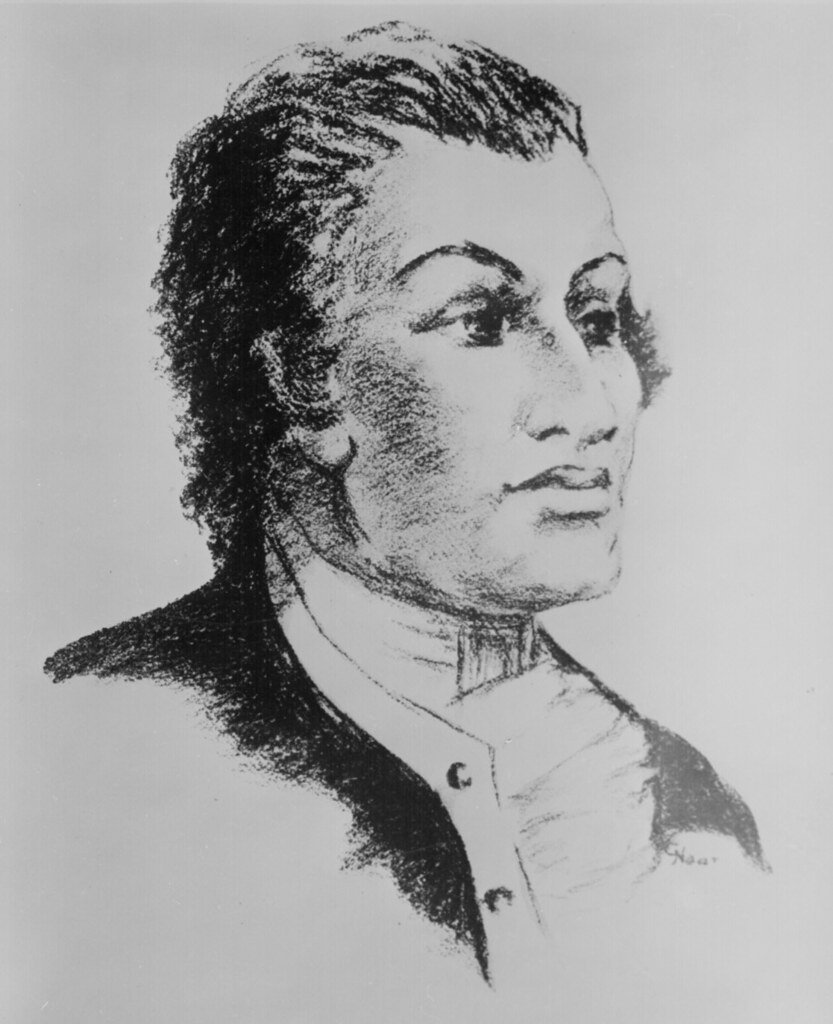
Haym Salomon, a Polish-Jewish immigrant, became a key financier for the Patriot cause in the Revolution. He brokered loans, converted French aid into usable currency, and personally lent vast sums to leaders like James Madison. While imprisoned by the British, he even persuaded Hessian soldiers to desert.[6][7]
Salomon’s efforts kept the Continental Army funded during desperate times, though he died penniless. His financial wizardry sustained the fight for independence. Statues and stamps now honor him as a forgotten architect of American freedom.[8]
Lydia Darragh
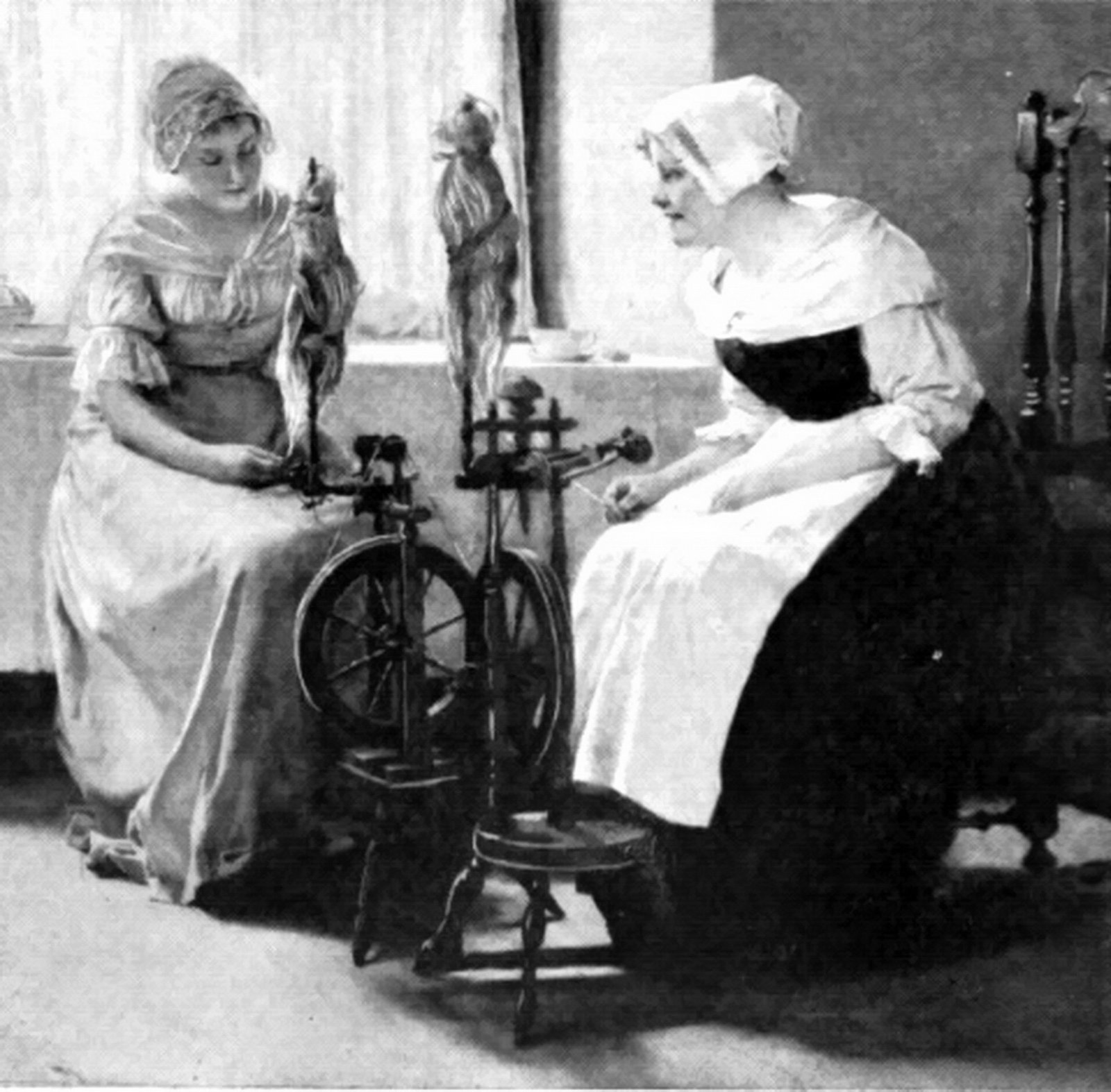
Lydia Darragh, an Irish Quaker pacifist in occupied Philadelphia, overheard British officers plotting a surprise attack on Washington’s forces in 1777. Despite her beliefs in neutrality, she sewed intelligence into her clothing and slipped past checkpoints to warn American generals. Her alert helped thwart the ambush at Whitemarsh.[9][10]
Darragh’s bravery saved lives and shifted momentum in the war. She continued aiding Patriots quietly afterward. Her tale endures as a testament to ordinary resolve in extraordinary peril.[11]
Bass Reeves
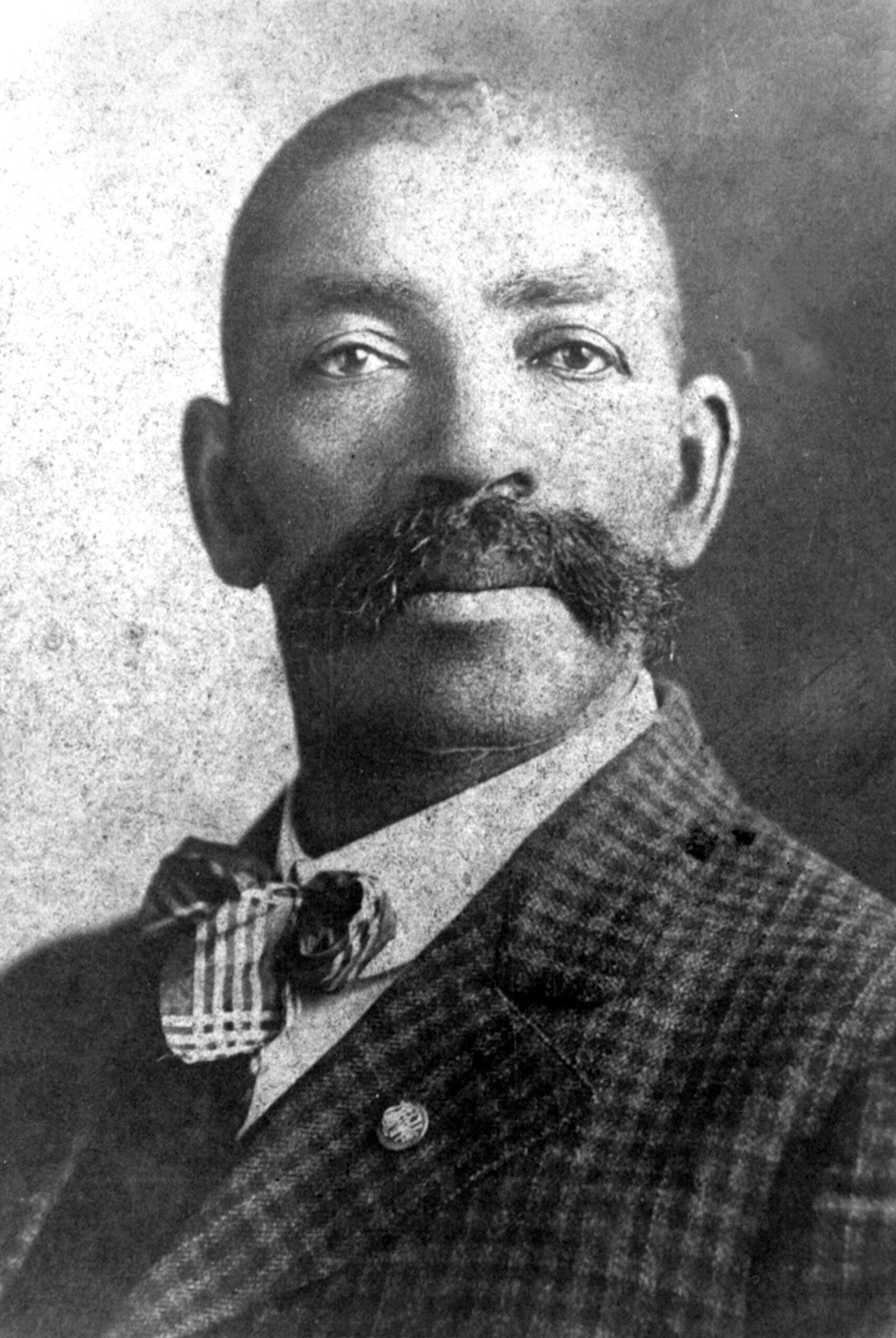
Bass Reeves, born into slavery, rose to become the first Black deputy U.S. Marshal west of the Mississippi in 1875. Over 32 years, he tracked fugitives across Indian Territory, arresting more than 3,000 outlaws and killing 14 in the line of duty. Disguises and unmatched tracking skills made him legendary among lawmen.[12][13]
Reeves brought order to the lawless frontier, even arresting his own son. His career inspired the Lone Ranger tales. Museums and media now celebrate his role in taming the West.[14]
Rebecca Lee Crumpler
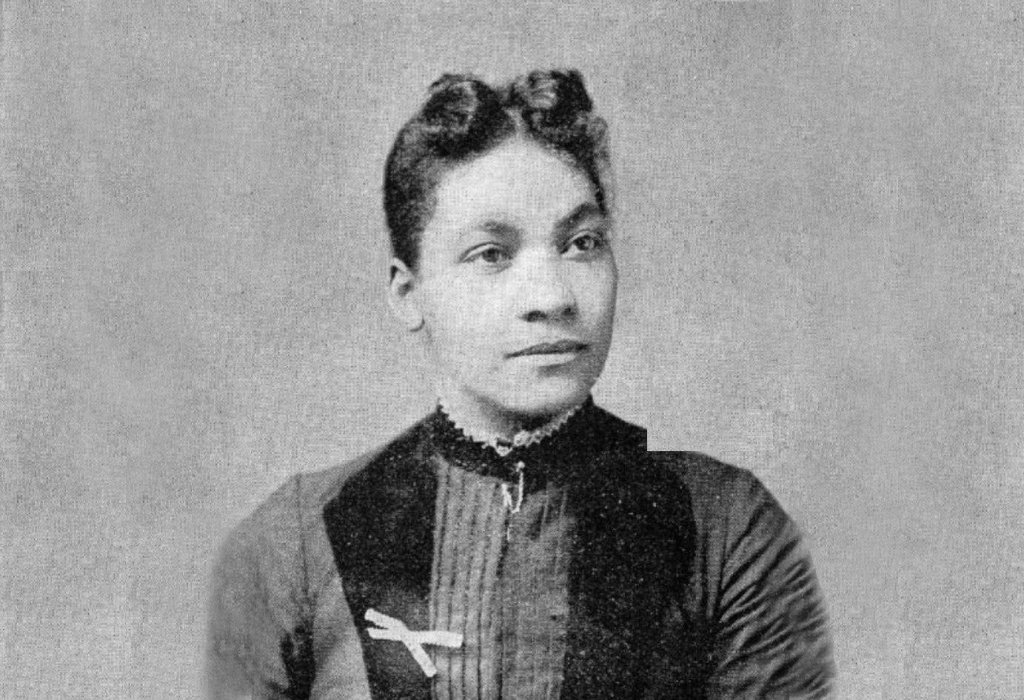
Rebecca Lee Crumpler broke barriers as the first African American woman to earn a medical degree in 1864 from New England Female Medical College. She treated freed slaves in Virginia during Reconstruction, facing racism and hostility. Her focus on women and children marked her as a dedicated healer.[15][16]
Crumpler authored a book on medical discourse, leaving a written legacy. She paved the way for Black women in medicine. Honors today recognize her pioneering spirit amid adversity.[17]
Charles Drew
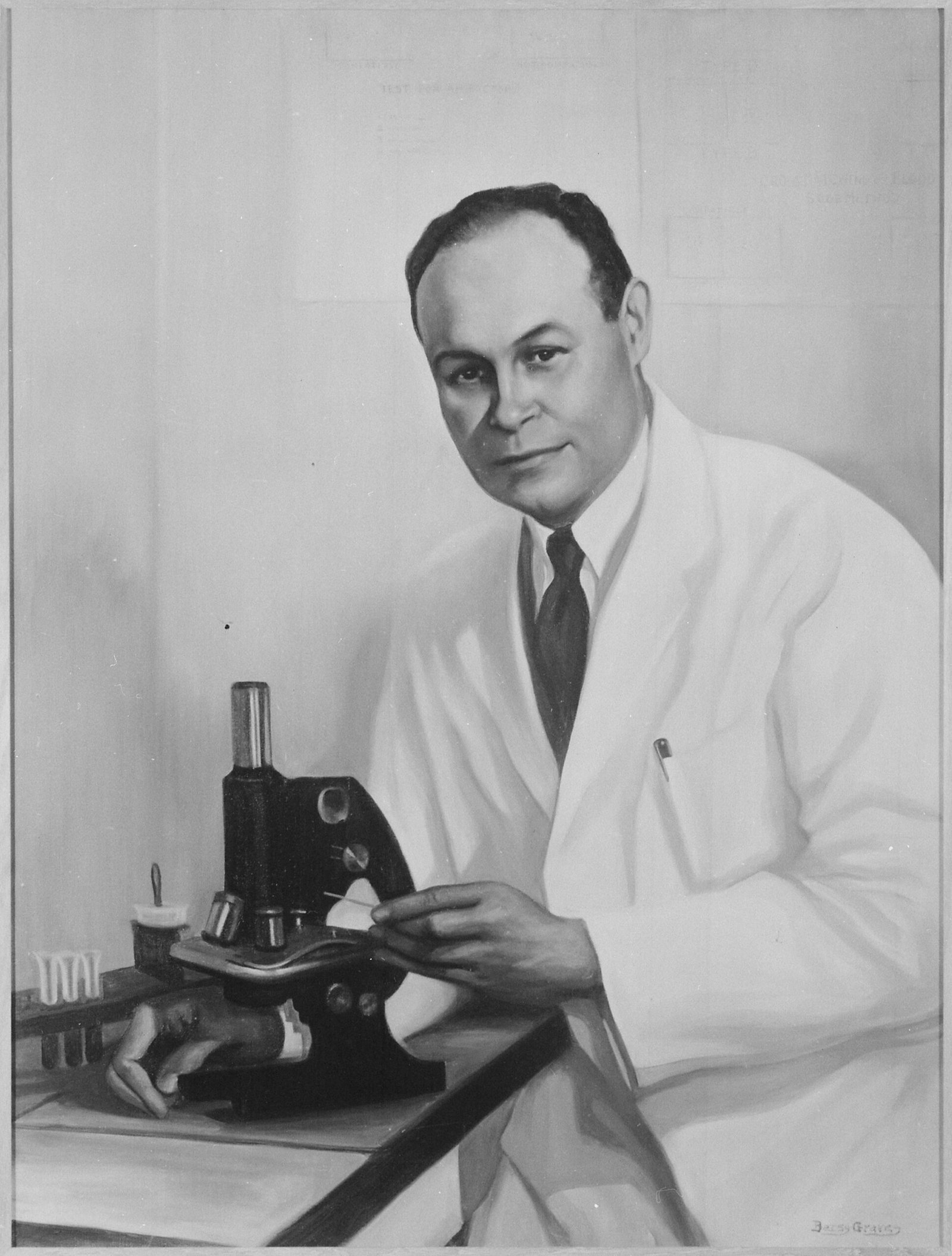
Charles Drew revolutionized blood banking by developing methods to separate and store plasma, enabling large-scale transfusions. During World War II, he directed the Plasma for Britain program, saving countless Allied lives. His “bloodmobiles” made donations mobile and efficient.[18][19]
Drew’s innovations underpin modern blood services worldwide. Despite myths of his death, his work combated segregation in donations. Awards and scholarships bear his name, honoring a lifesaving legacy.[20]
Claudette Colvin
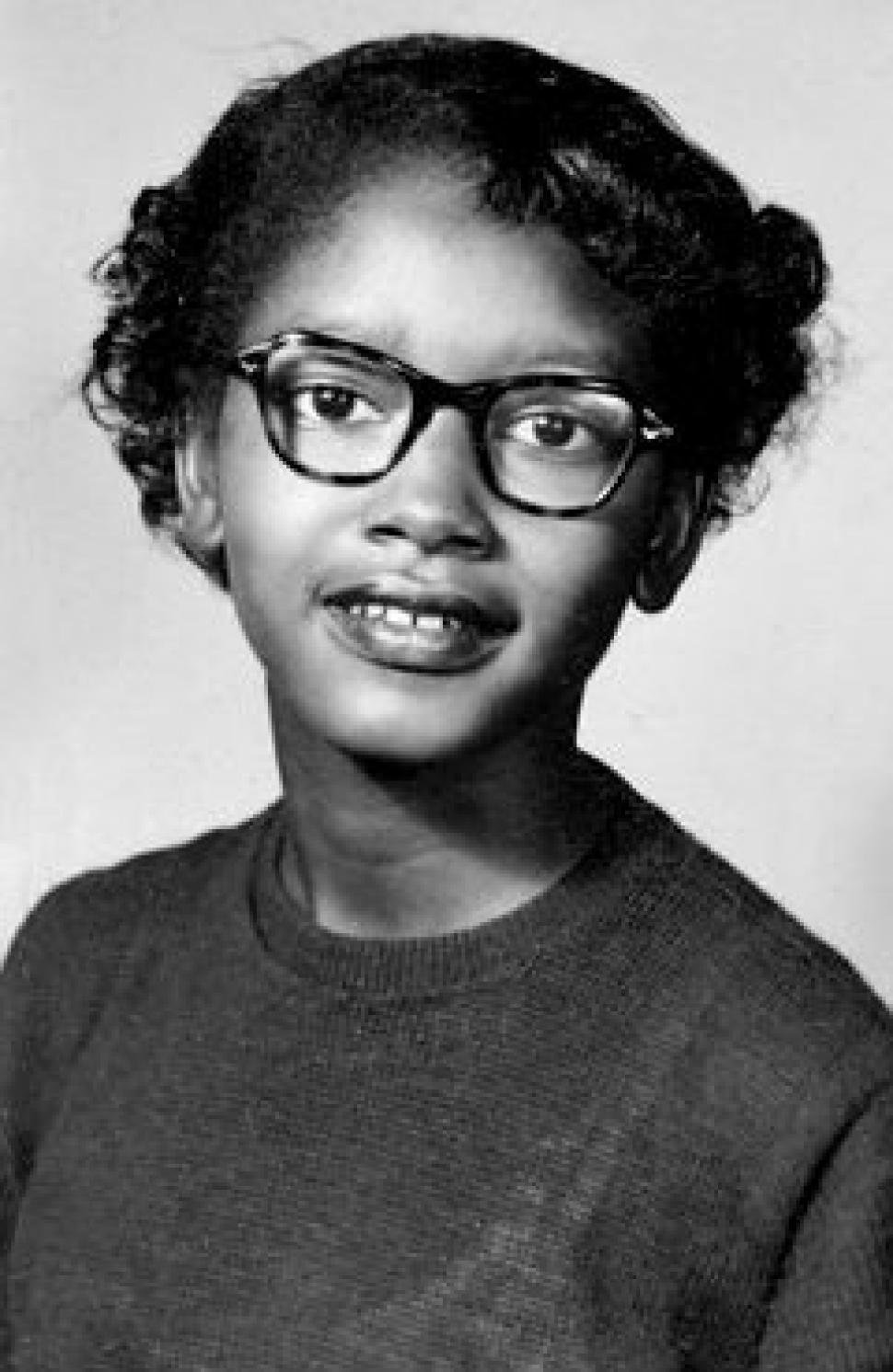
At 15, Claudette Colvin refused to give up her bus seat to a white passenger in Montgomery, Alabama, nine months before Rosa Parks. Arrested in 1955, she became a plaintiff in Browder v. Gayle, challenging bus segregation legally. Her stand tested the civil rights waters early.[21][22]
The Supreme Court ruling ended bus segregation, sparking broader change. Colvin’s courage laid groundwork for the boycott. Books and recognition now highlight her youthful defiance.[23]
Bayard Rustin
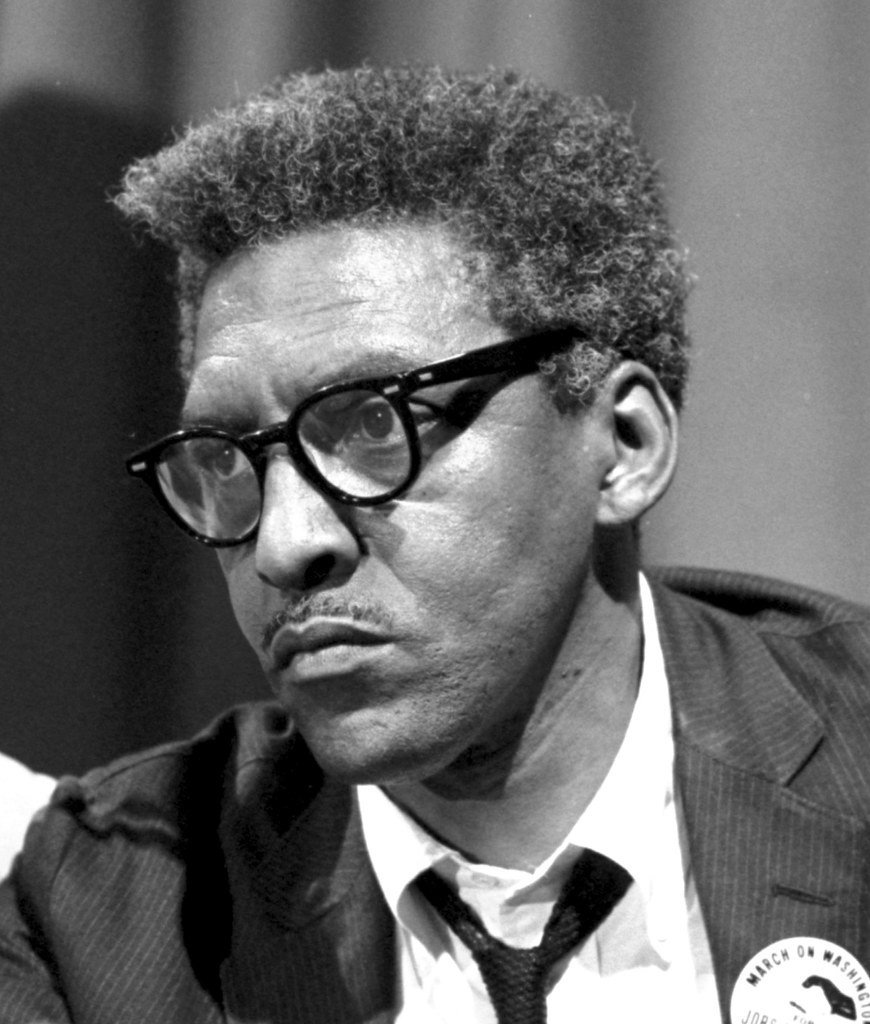
Bayard Rustin orchestrated the 1963 March on Washington for Jobs and Freedom, drawing 250,000 people where Martin Luther King Jr. gave his “I Have a Dream” speech. A Quaker pacifist, he advised King on nonviolence and organized earlier protests. His logistics mastery ensured peaceful success.[24][25]
Rustin bridged civil rights and labor movements till his death. Presidential medals affirm his influence. His story underscores strategic minds behind iconic events.[26]
Frances Perkins
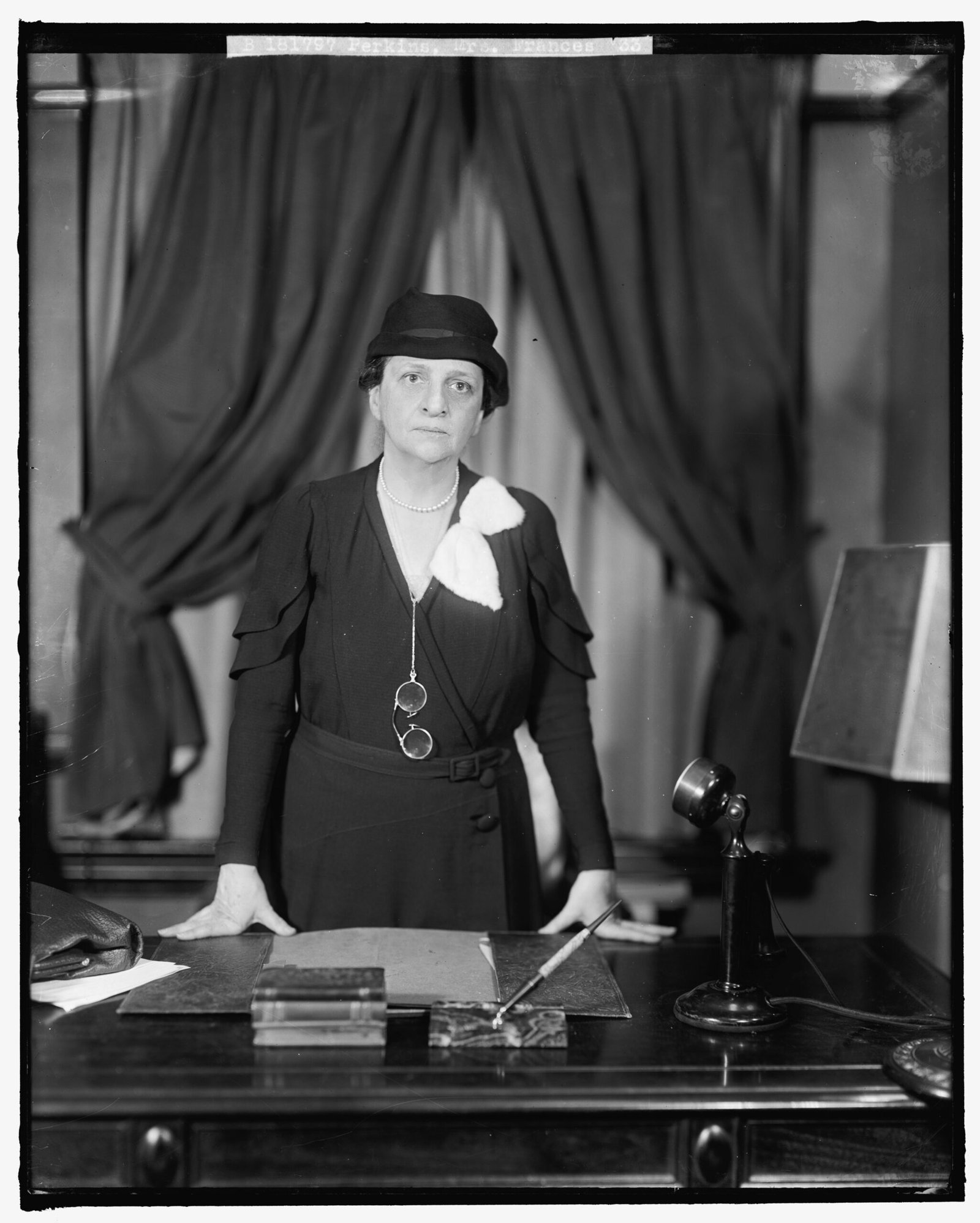
Frances Perkins became the first woman U.S. Cabinet secretary as Labor head under FDR in 1933. She championed New Deal laws like Social Security, minimum wage, and child labor bans. Witnessing the Triangle Shirtwaist fire fueled her worker protections drive.[27][28]
Her 12-year tenure transformed American labor standards. Perkins advised presidents beyond FDR. Centers and holidays commemorate her enduring reforms.[29]
Granville T. Woods
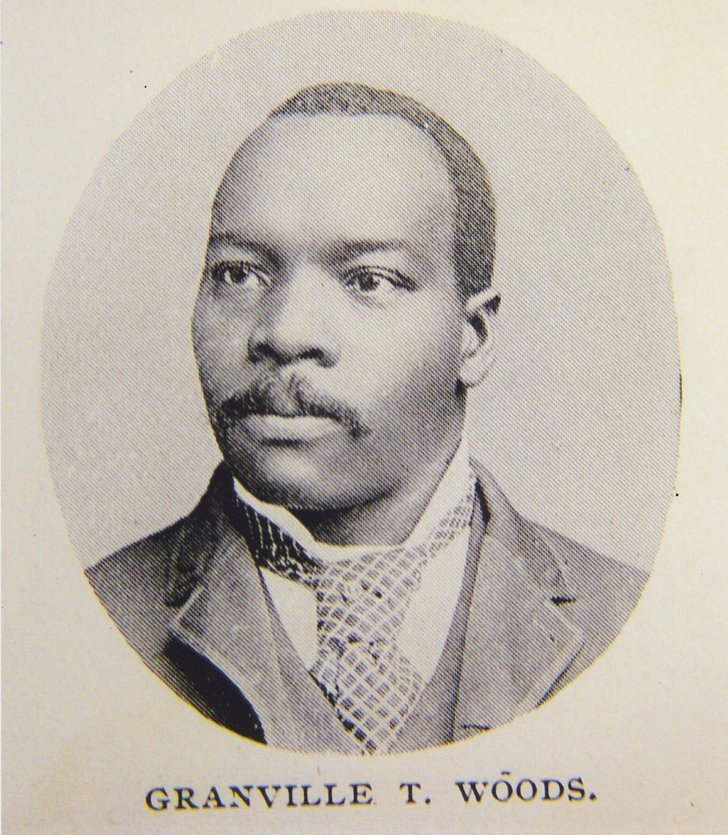
Granville T. Woods, dubbed the “Black Edison,” patented over 50 inventions, including the multiplex railway telegraph for train communication. His induction system used static electricity to send messages between moving trains and stations. Devices improved streetcars and telephones too.[30][31]
Woods sold patents to giants like General Electric. His rail safety advances prevented collisions. Halls of Fame celebrate his overlooked genius.[32]
Deborah Sampson
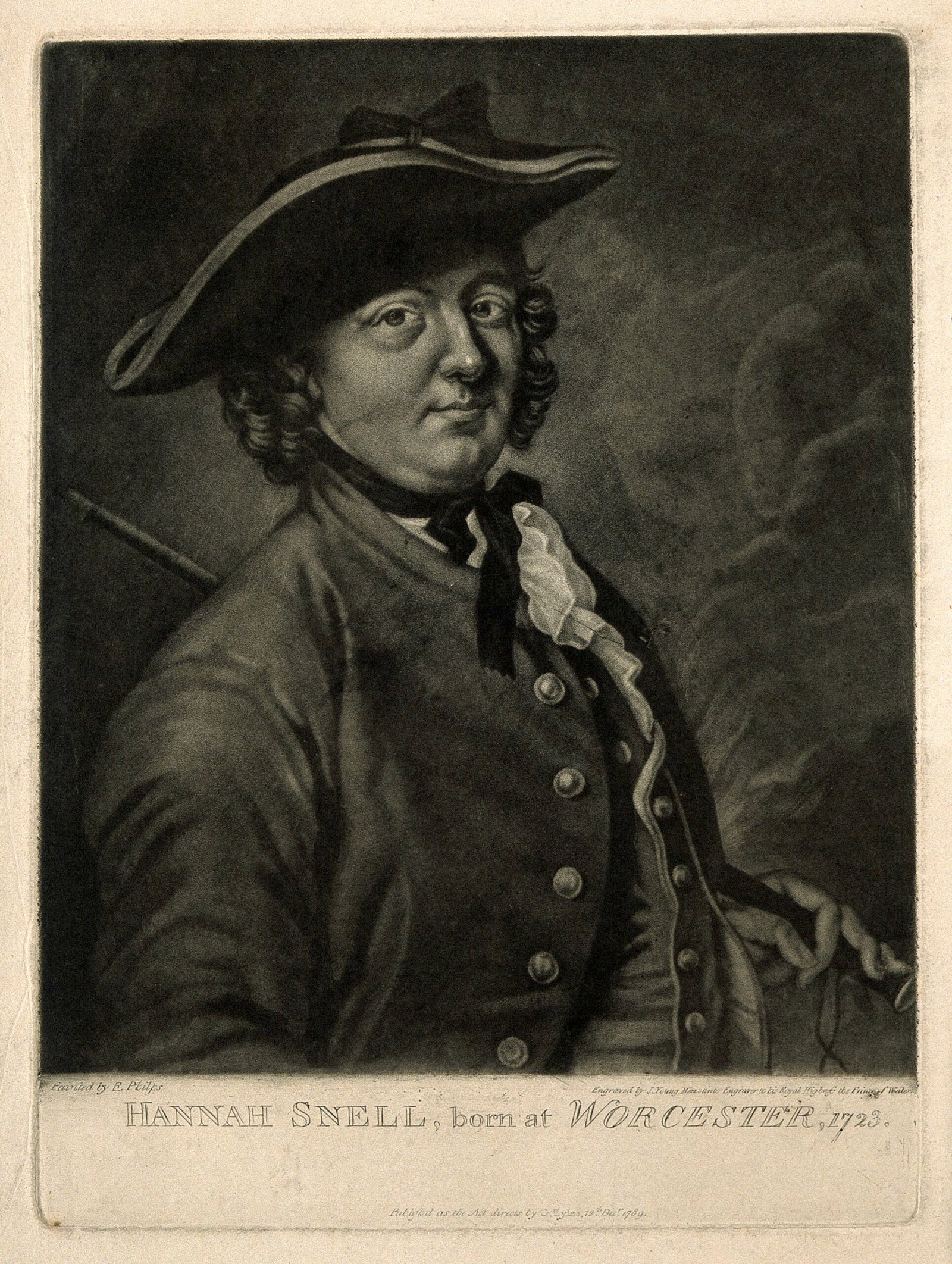
Deborah Sampson disguised herself as “Robert Shurtliff” to enlist in the Continental Army in 1782, serving 18 months without detection. She fought in skirmishes, endured wounds, and even nursed herself secretly. Discovered only after illness, she received an honorable discharge.[33][34]
Sampson lectured on her exploits and won a veteran’s pension. Her memoir inspired women warriors. Statues honor her as a Revolutionary trailblazer.[35]
Nancy Hart
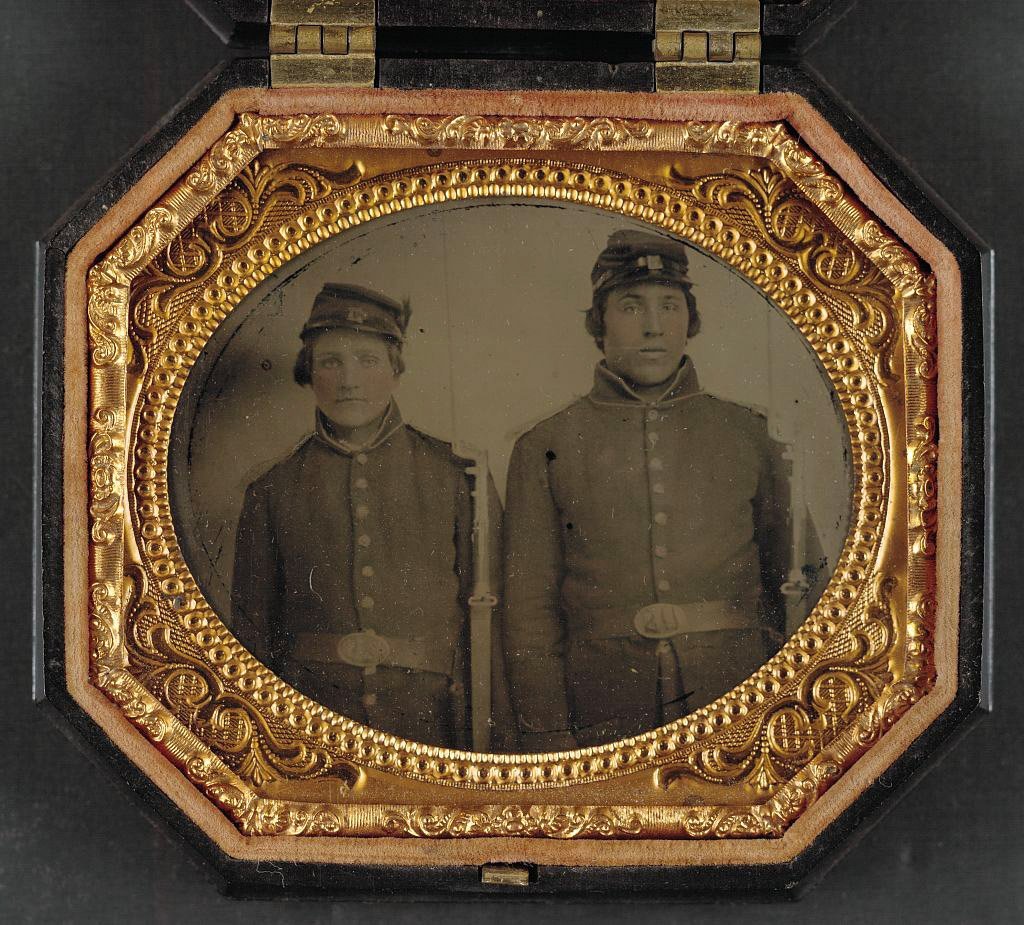
Nancy Hart, a Georgia frontierswoman, spied for Patriots and once captured six Loyalists single-handedly in her cabin. Using her wits and a musket, she held them hostage and hanged some after they killed her turkey. Her herbal knowledge aided wounded soldiers.[36][37]
Hart’s defiance boosted morale in the backcountry. A highway and tavern bear her name. Legends preserve her fierce Patriot spirit.[38]
Hidden Influences in American History
These twelve figures wove invisible threads through wars, innovations, and justice struggles. Their actions rippled outward, altering trajectories we take for granted. History favors the loud, yet whispers often prove most enduring.
Unearthing such stories sharpens our view of progress. Ordinary lives, pressed by circumstance, sparked worldwide change. In their shadows, America’s fuller narrative emerges.