

- A Charming Tradition: The History of Christmas Markets in the United States - December 7, 2025
- Gear Up: Your Festival Camping Essentials - December 7, 2025
- Festival Survival Guide: Essential Tips - December 7, 2025
The Strange Case of Dr. Jekyll and Mr. Hyde by Robert Louis Stevenson
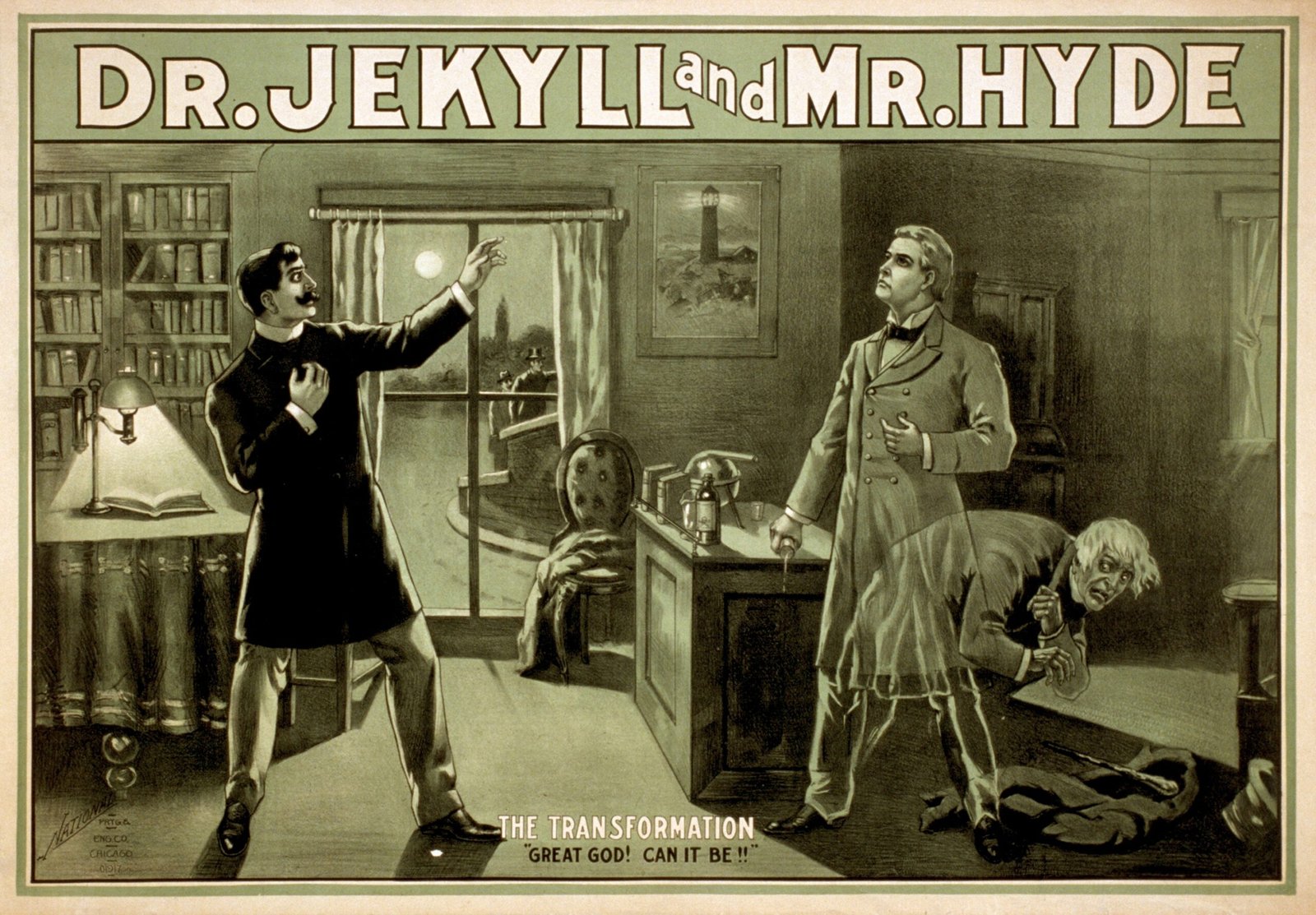
It’s easy to recall “The Strange Case of Dr. Jekyll and Mr. Hyde” as a dense, sprawling tale of psychological horror and dual personalities. But in reality, it’s just over 100 pages long—officially a novella. The story, published in 1886, wastes no time plunging readers into the mysterious transformations of Dr. Jekyll into the sinister Mr. Hyde. The brevity of the book is almost shocking when you consider how deeply its themes of good and evil, and the battle within one’s soul, have sunk into our culture. Many people are surprised to learn they can read the entire story in a single afternoon. Despite its short length, Stevenson’s novella is packed with suspense and philosophical questions, making it a staple in discussions about personality and morality. The book’s influence is enormous compared to its size, and this might be why people remember it as much longer than it really is.
Animal Farm by George Orwell
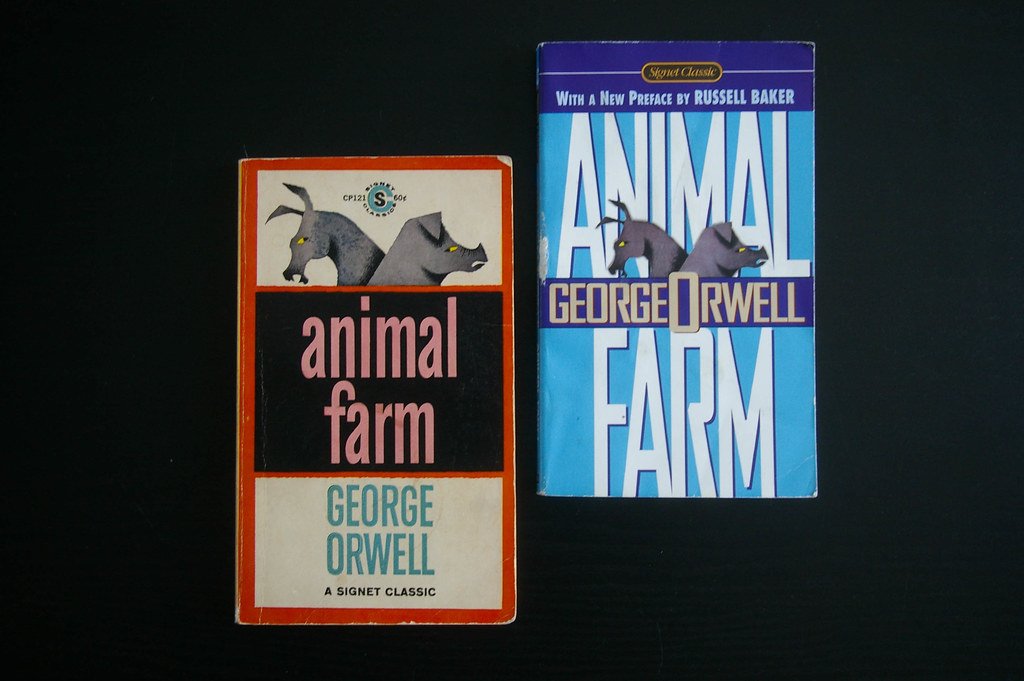
“Animal Farm” might feel like a weighty epic because of its biting critique of power and corruption, but the story is surprisingly short. George Orwell’s political allegory clocks in at under 30,000 words, making it shorter than many popular young adult novels today. First published in 1945, the novella uses farm animals to represent key figures and moments from the Russian Revolution, making big history feel small and immediate. Its impact is massive; teachers and students around the world still study it every year. The concise length means that the message hits hard and fast, letting readers absorb Orwell’s warnings about propaganda and absolute power without feeling overwhelmed by pages. The book’s influence is proof that powerful ideas don’t need a long journey to make a lasting impression.
Of Mice and Men by John Steinbeck
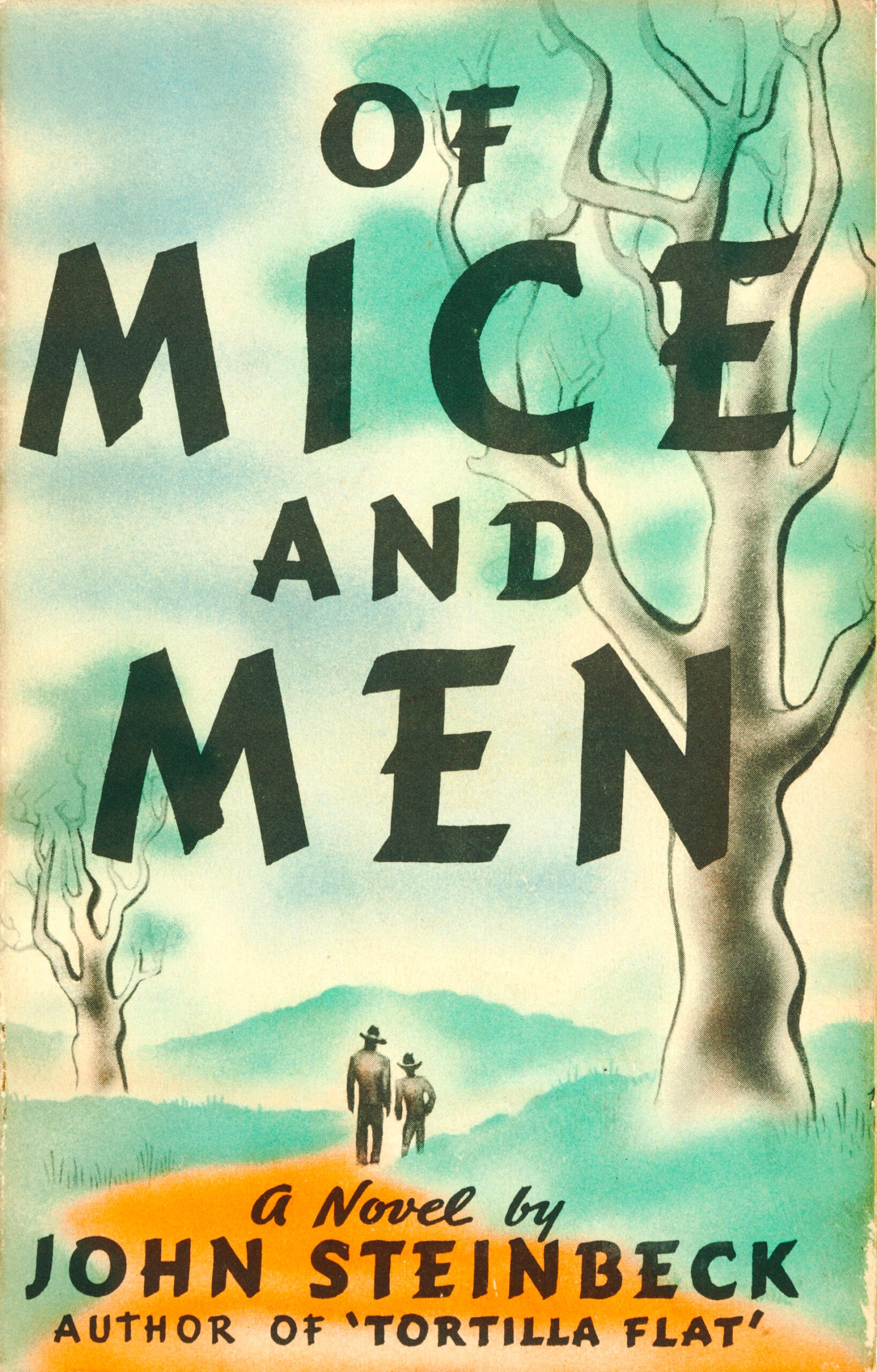
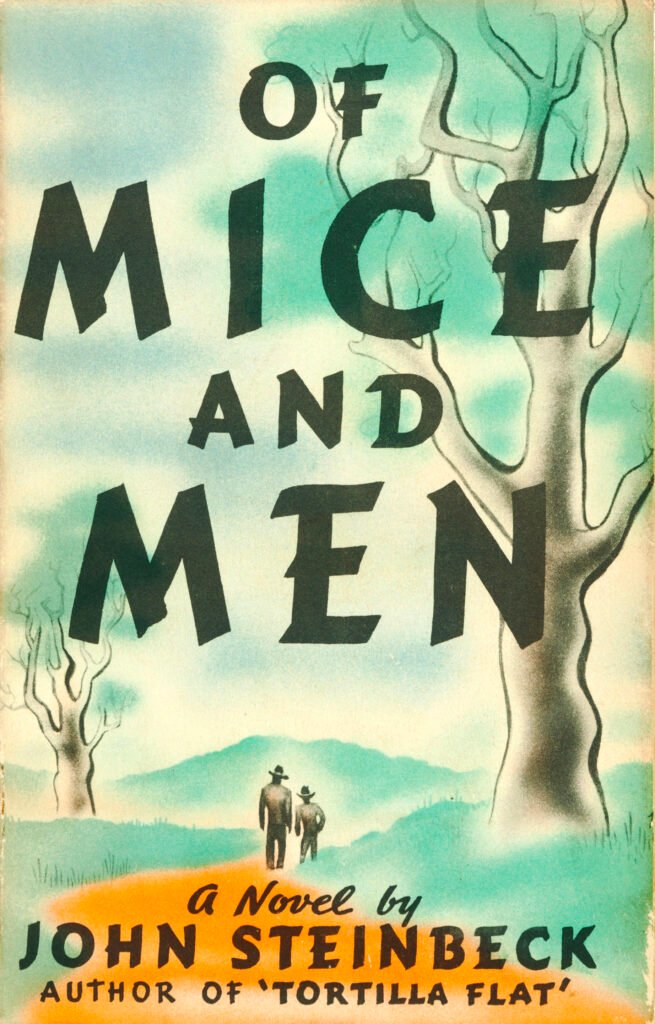
When people think of John Steinbeck’s “Of Mice and Men,” they often remember its emotional weight and rich detail, but they might forget just how short it is. The entire story of George and Lennie’s friendship during the Great Depression unfolds in just over 100 pages. Steinbeck’s writing is spare and direct, never wasting a word, which adds to the punch of the novella’s tragic ending. Despite its brevity, the book addresses giant themes: loneliness, the American Dream, and the struggle to belong. It’s a favorite in classrooms, in part because students can experience its depth in a matter of days, not weeks. The short length reinforces the sense of urgency and loss that pervades the story, making it linger in readers’ minds long after they finish the final page.
The Metamorphosis by Franz Kafka
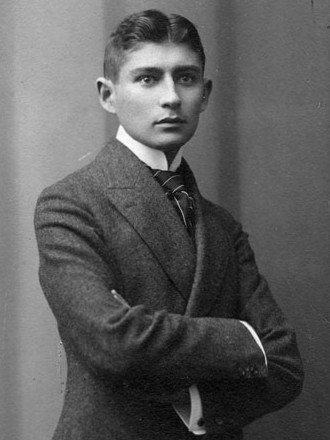
It’s amazing how many people think of “The Metamorphosis” as a full-blown novel, when in reality it’s just a short story—often under 40 pages. Franz Kafka’s surreal tale of Gregor Samsa, who wakes up one morning transformed into a giant insect, is dense with symbolism and existential dread. The story’s brevity is part of what gives it its punch; you barely have time to catch your breath before Kafka has you questioning the very nature of identity and belonging. The unsettling atmosphere and the sense of alienation are delivered in a concentrated dose, leaving a lasting impression. Literary scholars have dissected its layers for decades, and its short length means that every detail feels loaded with meaning. The haunting effect of “The Metamorphosis” endures, proving that a story doesn’t need to be long to be unforgettable.
A Christmas Carol by Charles Dickens
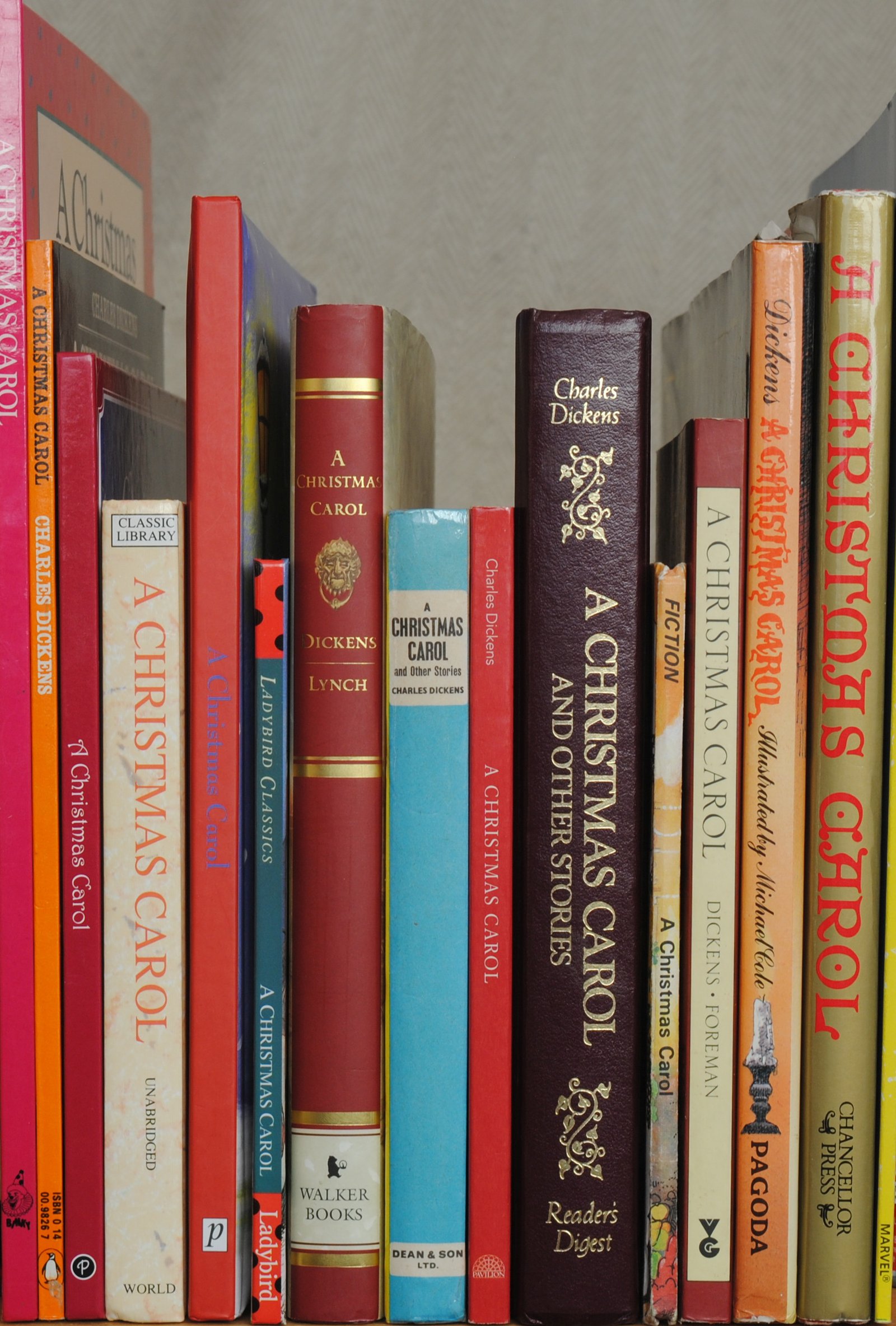
With all the movies, plays, and TV specials, it’s easy to imagine “A Christmas Carol” as a hefty Victorian novel. In truth, it’s a novella, published by Charles Dickens in 1843, that you can read in just a few hours. The story of Ebenezer Scrooge’s transformation is told swiftly and efficiently, with Dickens using the short length to deliver a clear, powerful message about generosity, redemption, and the spirit of Christmas. The novella format makes it perfect for reading aloud in a single evening, and perhaps that’s why it’s become such a holiday tradition. The story’s accessibility is a big part of its charm; it reaches readers of all ages and backgrounds. The book’s impact isn’t diminished by its size—if anything, the tight storytelling makes it even more enduring.
The Time Machine by H.G. Wells
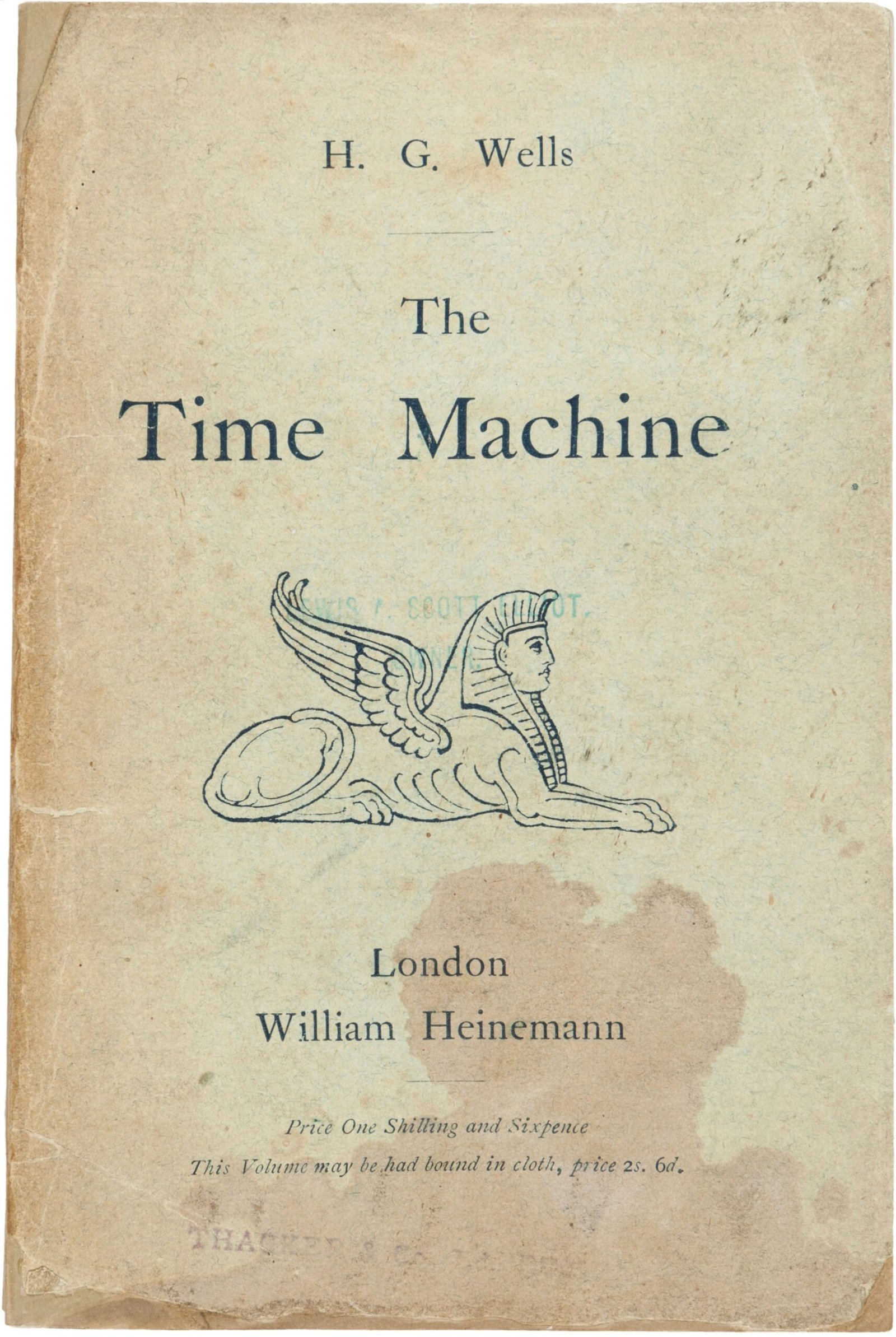
You might think “The Time Machine” invented the epic time-travel adventure, but H.G. Wells kept his story surprisingly brief. The novella, first published in 1895, is less than 150 pages, yet it changed science fiction forever. In it, the protagonist travels to the distant future, encountering strange societies and witnessing the fate of humanity. Wells’s concise writing style makes the journey feel even more intense and immediate. The novella’s brevity helped it become a favorite for readers who wanted a quick, thrilling glimpse into the possibilities of science and imagination. The story’s influence echoes through countless books and movies, showing that big ideas can come in small packages.
The Old Man and the Sea by Ernest Hemingway
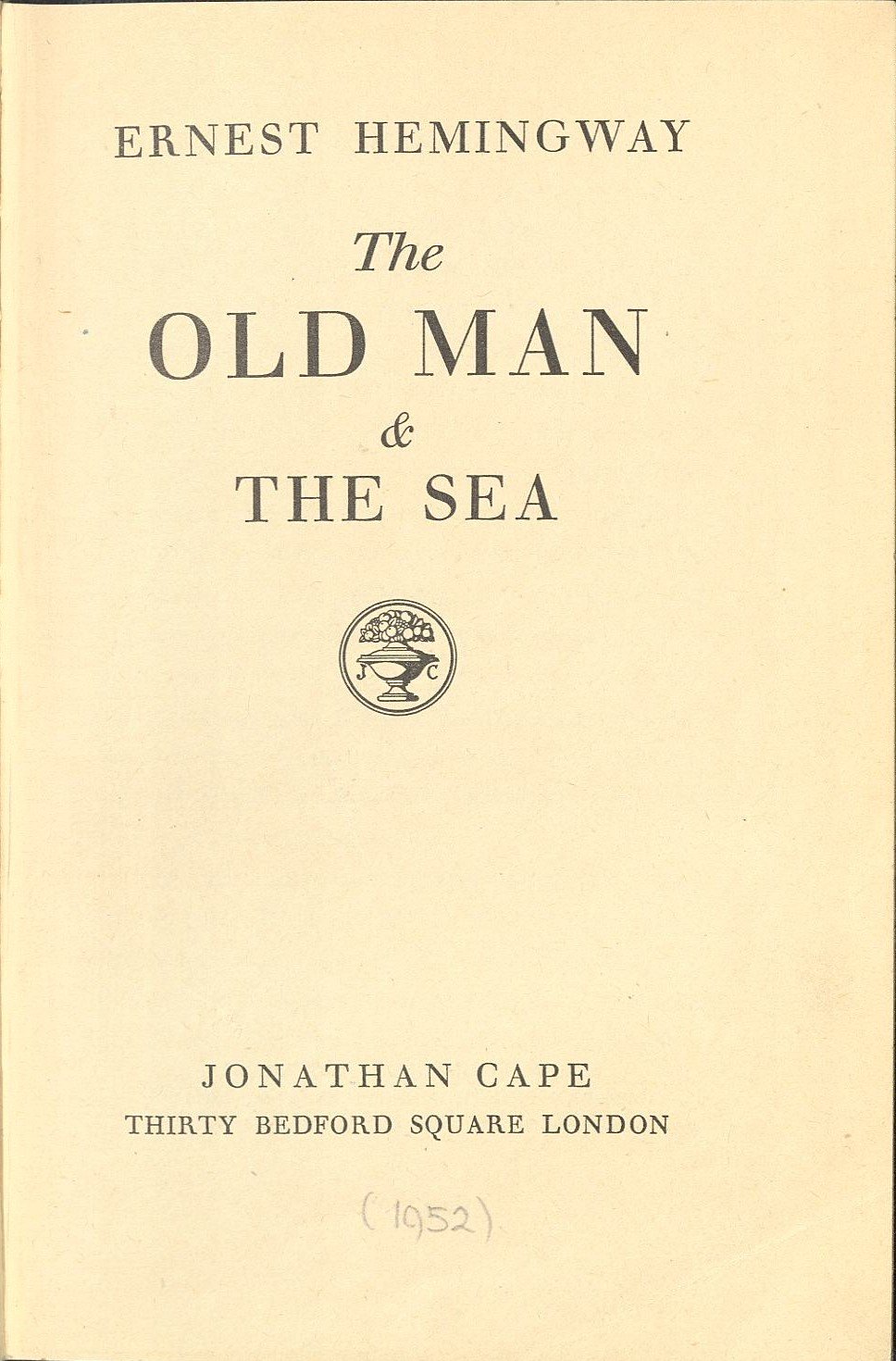
Ernest Hemingway’s “The Old Man and the Sea” is legendary for its simple prose and deep symbolism, but many forget it’s only about 130 pages long. This Pulitzer Prize-winning novella tells the story of Santiago, an aging Cuban fisherman, as he battles a giant marlin in the open sea. Hemingway’s direct, unadorned writing style makes every page count, building a sense of struggle and dignity that’s almost mythic. The short length lets readers experience Santiago’s journey in one sitting, which heightens the emotional impact of his triumphs and losses. Literary critics have praised the book for its “iceberg theory,” where much is left unsaid beneath the surface, and readers often find themselves thinking about its meaning long after finishing. The novella stands as an example of how a short story can carry an ocean of emotion.
Coraline by Neil Gaiman
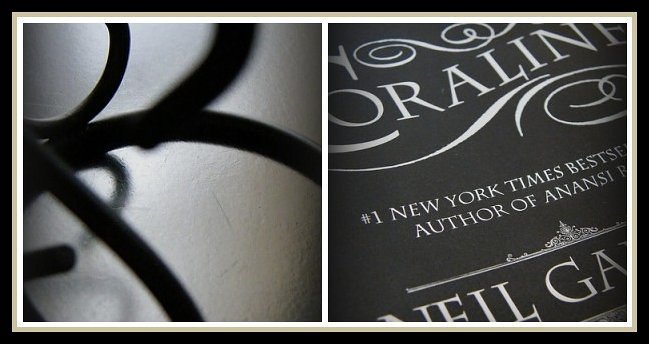
With its haunting atmosphere and dark magic, “Coraline” by Neil Gaiman feels like a massive fantasy adventure, but it’s actually a slim novella aimed at younger readers. Published in 2002, the story follows Coraline as she uncovers a sinister parallel world hidden in her new home. The book moves quickly, drawing readers into a creepy, imaginative landscape that’s easy to get lost in. Despite being short, the story tackles big themes like bravery, identity, and the importance of family. Gaiman’s tight storytelling has made “Coraline” a modern classic, and its success led to a hugely popular animated film adaptation. The book’s brevity only adds to its power, letting even reluctant readers dive in and finish with a sense of accomplishment.
The Pearl by John Steinbeck
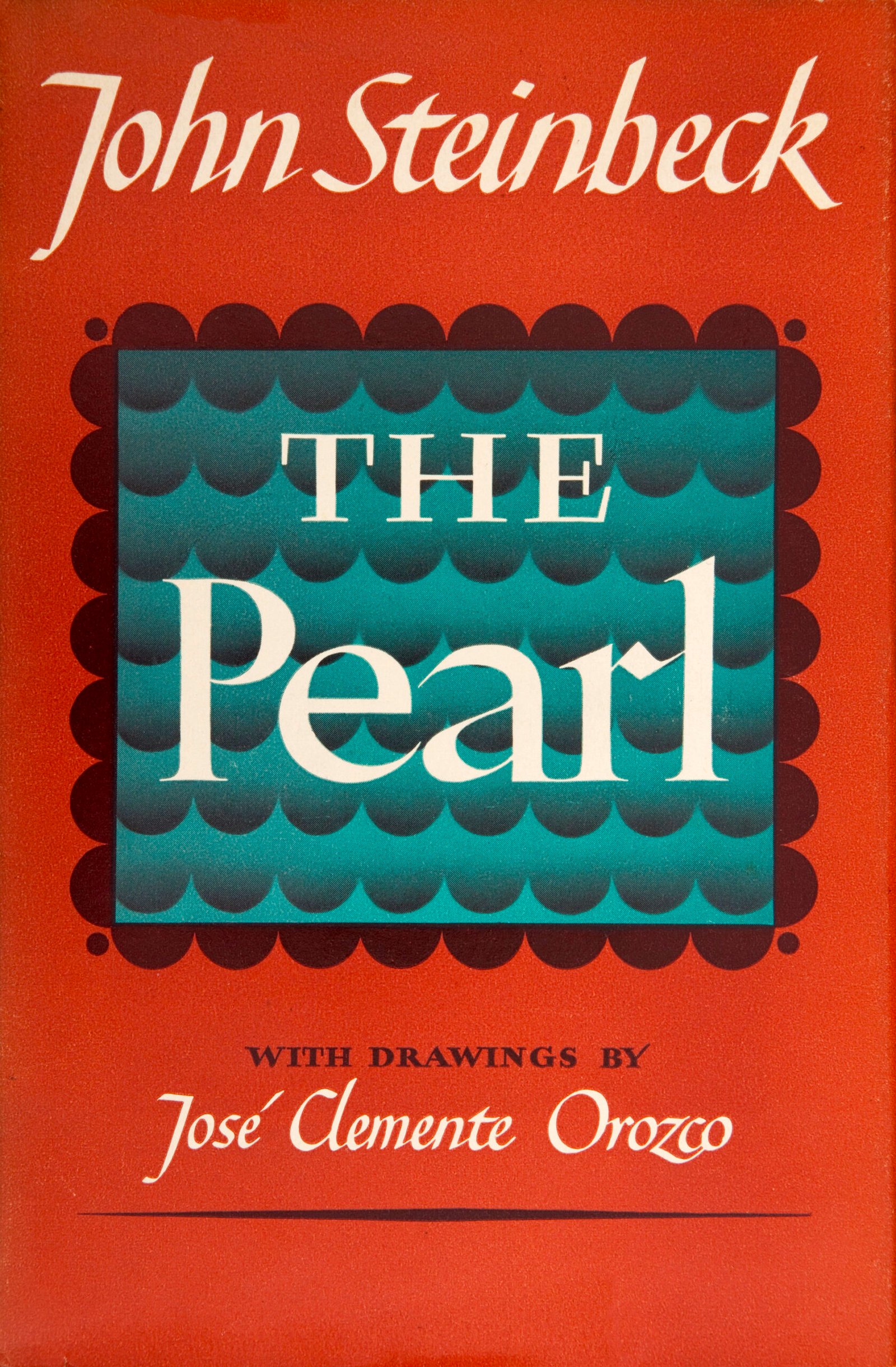
“The Pearl” by John Steinbeck is another example of a story that feels much larger than it is. Usually around 90 pages, this novella tells the tale of Kino, a poor pearl diver whose discovery of a priceless pearl brings unexpected consequences. Steinbeck’s writing is spare and poetic, packing each moment with symbolism about greed, ambition, and the dangers of dreams. The story’s brief length makes it easy to read in one sitting, but the weight of its message lingers long after the last page. Published in 1947, the novella has become a staple in classrooms for its powerful lessons and accessible style. The story’s moral complexity proves that a few pages can spark big conversations.
The Little Prince by Antoine de Saint-Exupéry
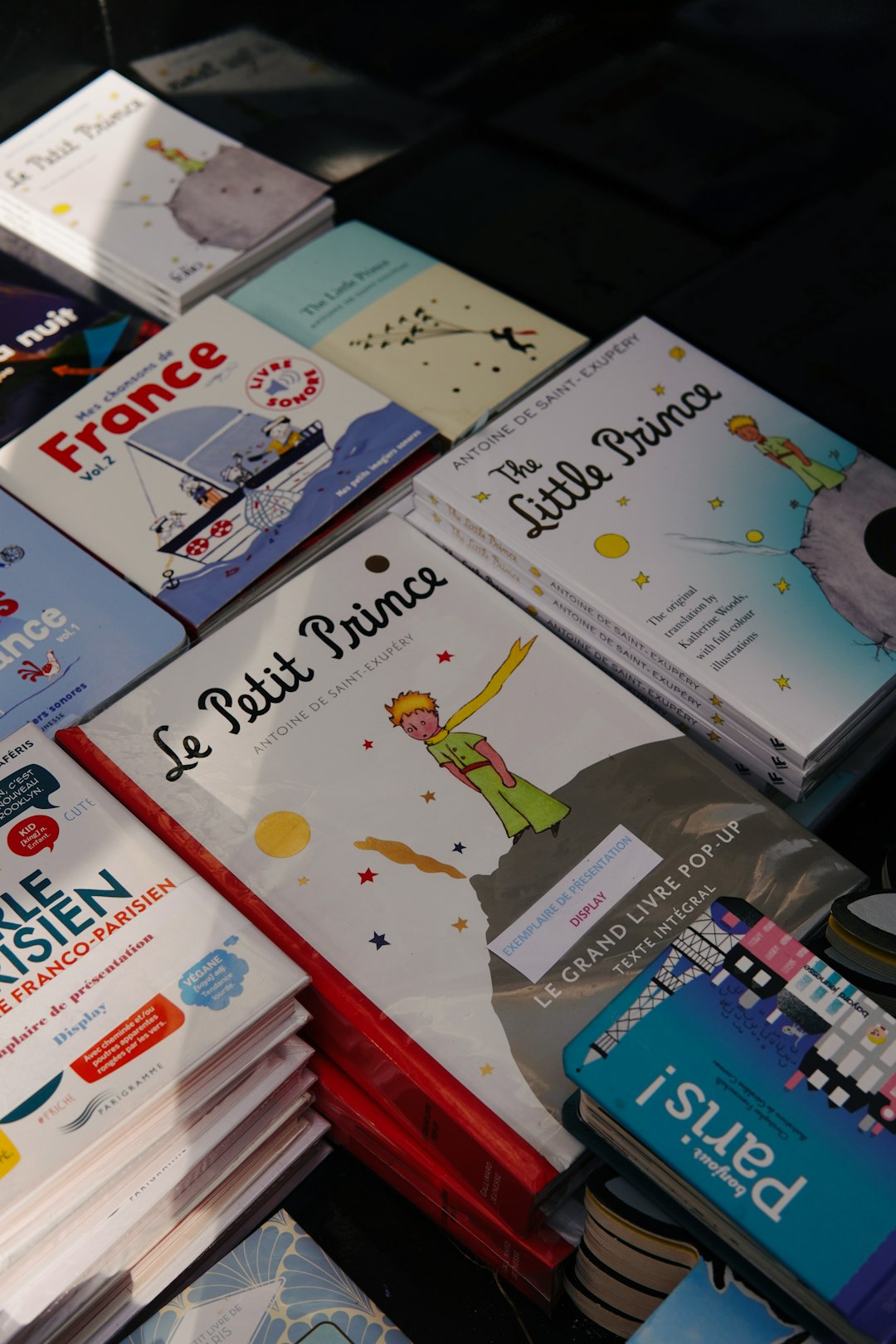
“The Little Prince” might be the best example of a book whose reputation far outsizes its length. Written in 1943 and usually around 90 pages, this slim volume uses simple language and delicate illustrations to explore themes of love, loss, and what it means to be human. Despite being short enough to read in one sitting, the book has become one of the most translated and best-selling stories in the world. Children and adults alike are drawn to its gentle wisdom and bittersweet beauty. The story’s brevity is part of its magic—it invites readers back for repeated visits, with something new to discover each time. The Little Prince’s size is a reminder that sometimes, the smallest stories have the biggest hearts.

Besides founding Festivaltopia, Luca is the co founder of trib, an art and fashion collectiv you find on several regional events and online. Also he is part of the management board at HORiZONTE, a group travel provider in Germany.
