
Few literary devices deliver a jolt quite like narrative surprise. A plot twist upends everything you thought you knew, turning the story inside out and leaving you stunned. Masters of the craft plant these bombshells with precision, rewarding attentive readers while punishing assumptions.
Classic novels brim with such moments that have echoed through generations. These turns don’t just shock; they redefine characters, themes, and even the rules of storytelling itself. Ready to revisit some timeless gut-punches? Let’s dive into the ones that still hit hardest.[1][2]
The Murder of Roger Ackroyd by Agatha Christie
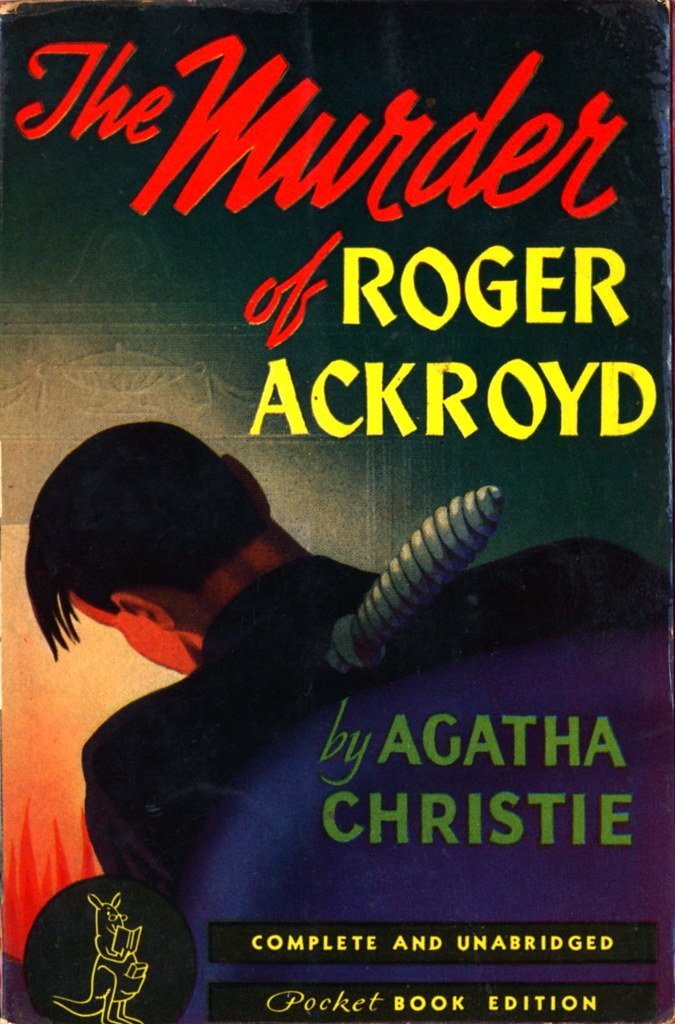
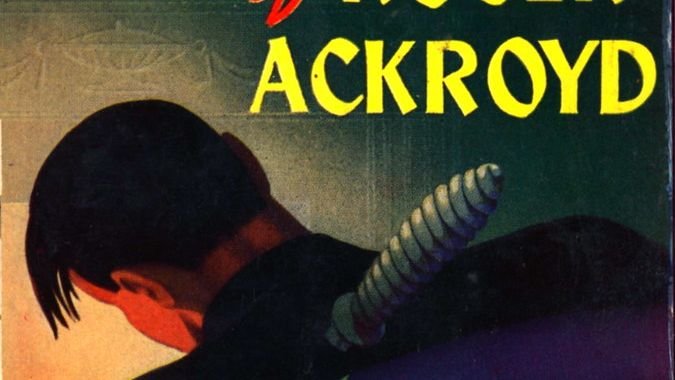
In this 1926 mystery, the entire narrative unfolds through the eyes of Dr. James Sheppard, the loyal friend and confidant of the victim. Readers follow his account of the investigation into Roger Ackroyd’s stabbing, piecing together clues alongside Hercule Poirot. Then comes the revelation: Sheppard himself wields the dagger, chronicling events to cover his tracks and frame another.
This twist shattered conventions of the detective genre, where narrators were trusted guides. Christie’s bold move with an unreliable voice redefined fair play in whodunits. It forces a frantic reread, spotting subtle hints amid the deception. Honestly, it feels like getting checkmated by a grandmaster. The impact lingers, proving trust in fiction is a fragile thing.[3]
And Then There Were None by Agatha Christie
Ten strangers gather on a remote island, accused of past crimes via a eerie nursery rhyme recording. They drop one by one, matching the poem’s grim fates, with no escape in sight. The shocker: Justice Lawrence Wargrave, presumed the first victim with a gunshot wound, masterminds it all, faking his death to continue the killings undetected.
Christie’s closed-circle puzzle elevates tension to unbearable heights before this reveal. It underscores themes of justice and guilt, turning victims into judges in a macabre trial. Readers gasp at the ingenuity, realizing every death served the plan. Such orchestration cements her as the queen of suspense. Even today, it tricks modern audiences effortlessly.[4]
Rebecca by Daphne du Maurier
The nameless narrator marries wealthy Maxim de Winter and moves to Manderley, haunted by his late wife’s shadow. Rumors swirl about Rebecca’s perfection and tragic drowning. The bombshell: Maxim shot her during a heated argument, as she taunted him with her pregnancy by a lover and her disdain for their marriage.
This revelation flips sympathy, painting Rebecca as manipulative and Maxim as tormented. Du Maurier explores obsession, identity, and gothic dread masterfully. The twist deepens the psychological layers, making the estate itself a character pulsing with secrets. It inspired Hitchcock’s film, but the book’s intimacy hits harder. True love rarely feels this treacherous.[5]
Jane Eyre by Charlotte Brontë
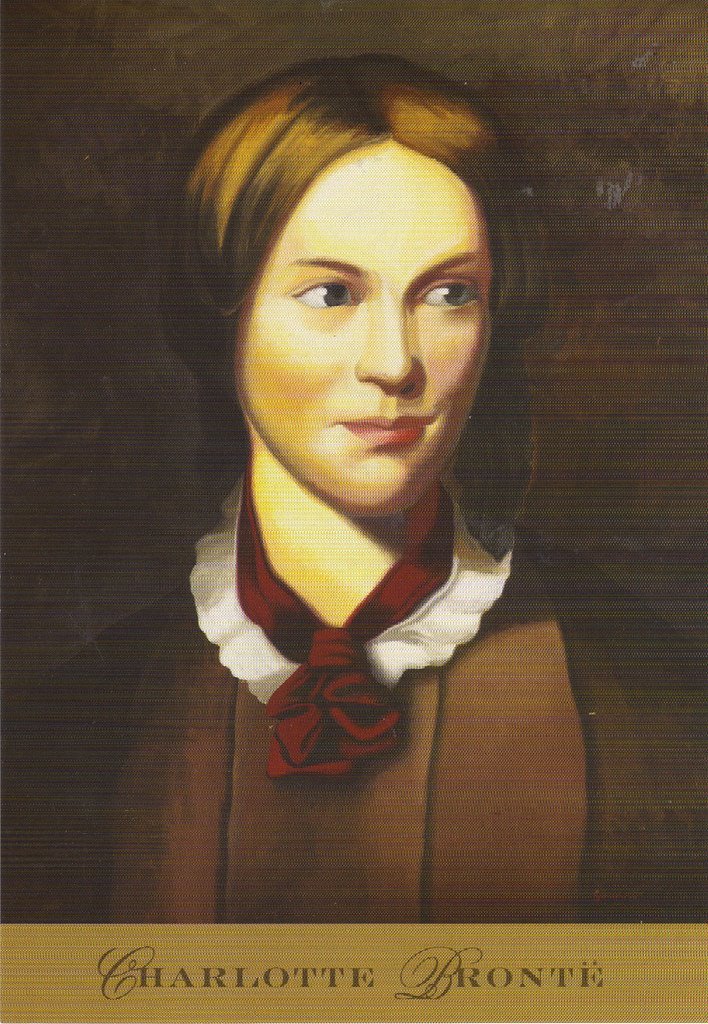
Jane falls for brooding Mr. Rochester at Thornfield Hall, dreaming of a future together despite class barriers. A fire reveals the attic’s dark secret: Bertha Mason, Rochester’s mad first wife, locked away for years. This Creole woman, driven insane by syphilis and rage, embodies the colonial horrors lurking beneath romance.
Brontë’s twist confronts Victorian hypocrisy on marriage and madness. It tests Jane’s morals, blending passion with peril in fiery climax. Bertha’s agency, though tragic, challenges passive female roles. The narrative surges forward, affirming independence over doomed love. Few romances burn this vividly.[2]
Great Expectations by Charles Dickens
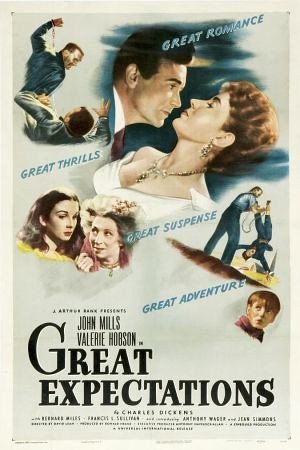
Orphan Pip receives a fortune from a mysterious benefactor, aspiring to gentlemanhood under Miss Havisham’s tutelage. He assumes the spiteful spinster funds his rise to win Estella’s heart. Shockingly, escaped convict Abel Magwitch, whom Pip aided as a boy, amassed wealth in Australia and sponsors him out of gratitude.
Dickens dismantles social climbing illusions, equating true worth to kindness over status. Magwitch’s nobility contrasts Havisham’s decay, humanizing the outcast. Pip’s growth hinges on this upheaval, learning humility the hard way. It’s a poignant jab at Victorian pretensions. Expectations rarely align with reality.[2]
The Strange Case of Dr. Jekyll and Mr. Hyde by Robert Louis Stevenson
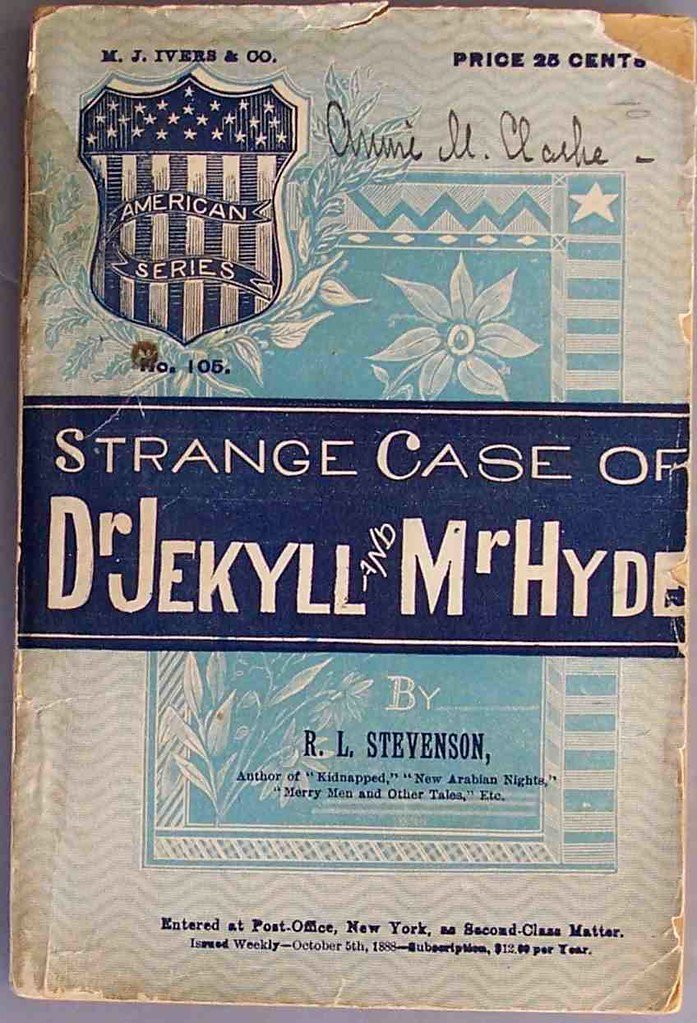
Dr. Jekyll’s respectable life unravels through his brutal alter ego, Edward Hyde, who commits atrocities. Jekyll isolates to control the transformations via potion. The gut-punch: Jekyll and Hyde are one man, the serum unleashing his repressed evil side permanently.
Stevenson’s novella probes duality in human nature, predating Freud by decades. It warns of science tampering with the soul, Hyde as id unbound. The epistolary reveal builds dread masterfully. This split personality trope endures because it mirrors our shadows. Who’s really in control?[4]
The Picture of Dorian Gray by Oscar Wilde
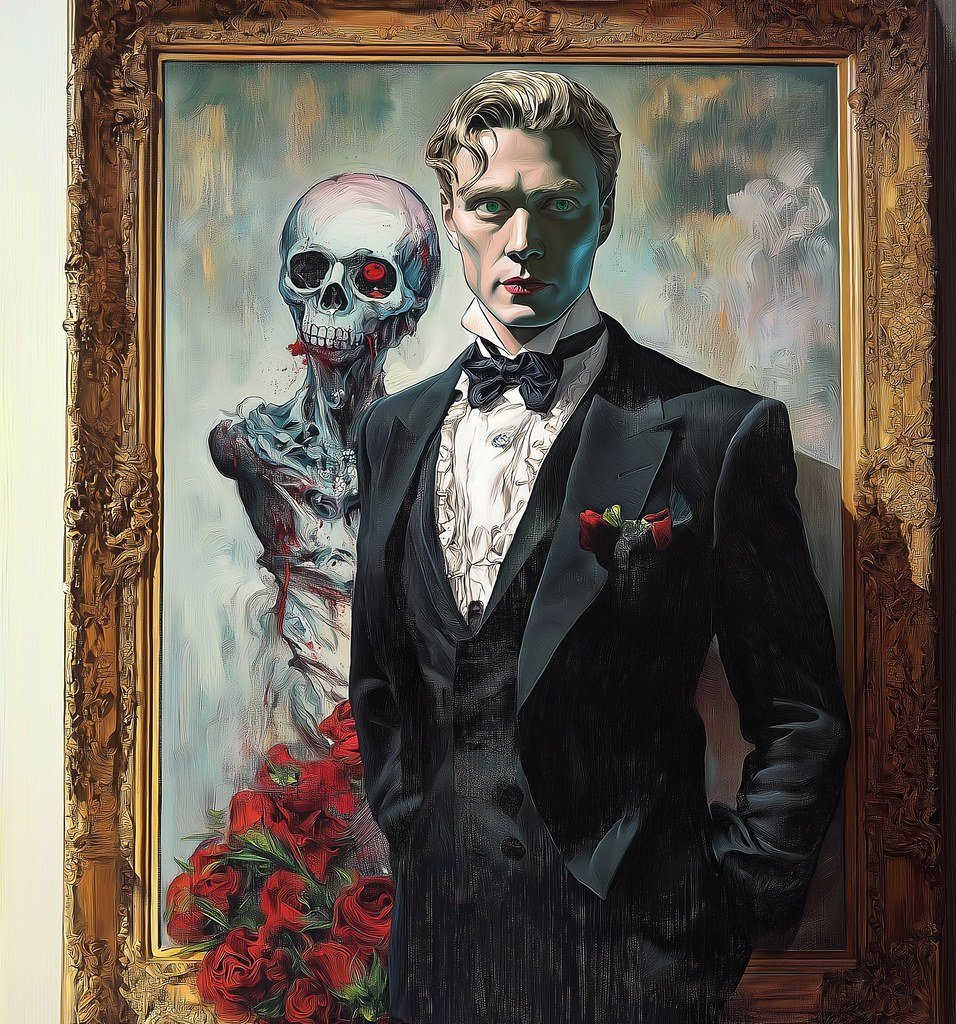
Dorian Gray stays eternally youthful while indulging every vice. His portrait, gifted by painter Basil Hallward, subtly changes. Climax exposes the canvas as grotesquely aged and corrupted, bearing all his sins while Dorian decays inwardly untouched.
Wilde critiques hedonism and superficial beauty in Victorian society. The Faustian bargain twists art into a moral mirror. Dorian’s destruction of the painting seals his doom, blurring victim and villain. It’s a shimmering cautionary tale on vanity’s cost. Beauty hides ugly truths.[6]
The Moonstone by Wilkie Collins
The cursed Moonstone diamond vanishes from a country house party. Suspects abound in this early detective tale. Revelation: Franklin Blake, the narrator’s friend, sleepwalked under opium’s influence and took it himself, unknowingly reclaiming his “birthright.”
Collins pioneers the genre with scientific explanations over supernatural. It explores addiction, colonialism, and memory’s unreliability. Multiple viewpoints build to this personal twist, humanizing the theft. Sergeant Cuff’s methods shine brighter post-reveal. Mysteries often hide in plain sight.[3]
The Woman in White by Wilkie Collins

Drawing master Walter Hartright aids Laura Fairlie after encountering a spectral escapee. Laura’s identity is stolen post-marriage to Sir Percival Glyde. Twist: The “woman in white,” Anne Catherick, is Laura’s half-sister look-alike, used in a conspiracy to fake Laura’s death for inheritance.
Collins weaves sensation fiction with legal intrigue and gender traps. The swap exposes patriarchal greed, empowering female solidarity. Serial publication amplified suspense leading here. It grips like a Victorian thriller should. Resemblances deceive.[2]
The Turn of the Screw by Henry James
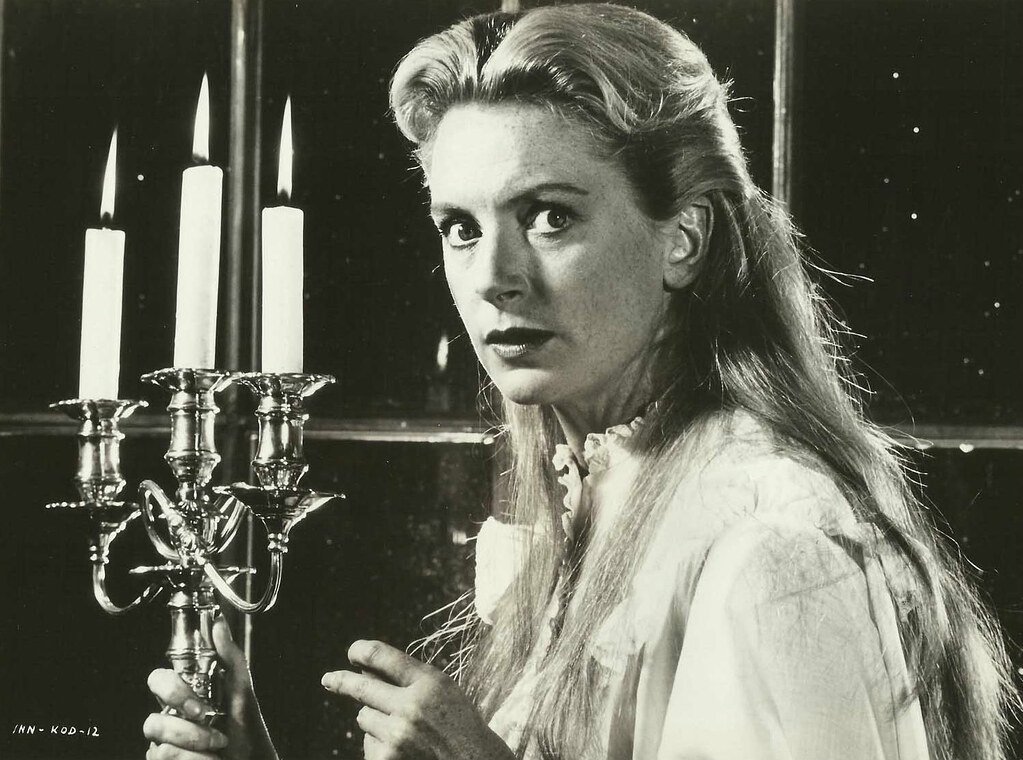
A governess arrives at Bly to tend two orphaned children, haunted by ghosts of former servants. She believes Peter Quint and Miss Jessel possess Miles and Flora. The ambiguity strikes: Are the apparitions real, or products of her hysterical imagination driving the boy to death?
James’s novella thrives on psychological terror and interpretive debate. It questions sanity, innocence, and repressed desires. Readers split on the governess’s reliability, fueling endless analysis. This open-ended twist elevates it beyond ghost story. Perception shapes our horrors.[7]
Mastering Storytelling Through Surprise
These twists showcase authors’ genius in subverting expectations, embedding clues that reward scrutiny. From Christie’s puzzles to James’s ambiguities, they probe human depths – guilt, identity, morality. Such craft endures because it mirrors life’s unpredictability.
Plot twists remind us stories, like life, hide layers beneath the surface. They demand we question narratives we accept blindly. Which one floored you most? Share in the comments – what twist would you add?[8]