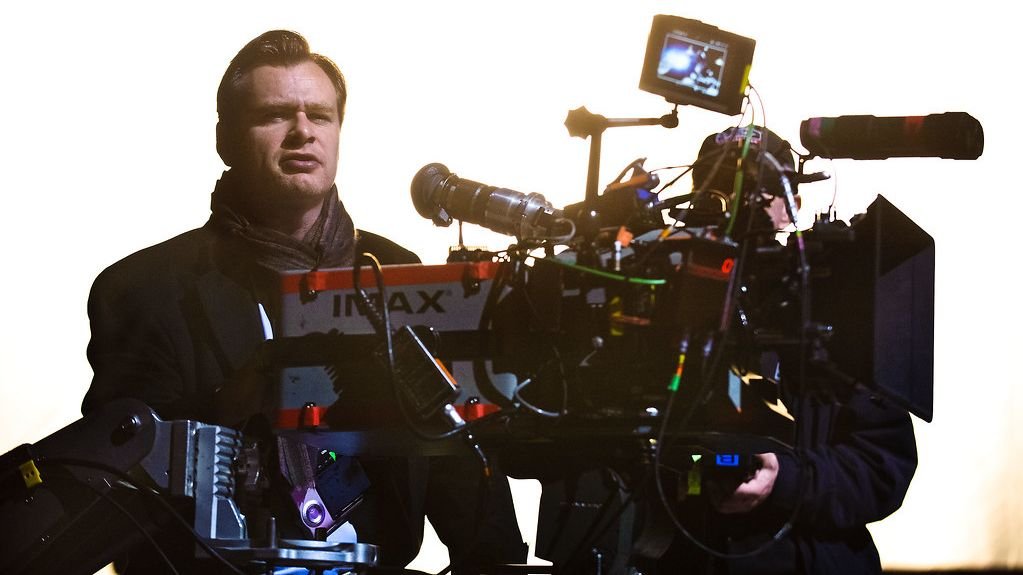
Early experimental films often capture a director’s raw vision before commercial pressures take hold. These shorts reveal bold techniques and themes that echo through their later blockbusters.
Shot on tight budgets with limited crews, they test ideas like nonlinear time or surreal dread. Such works laid the groundwork for cinematic revolutions still felt today.[1][2]
Stanley Kubrick: Day of the Fight (1951)
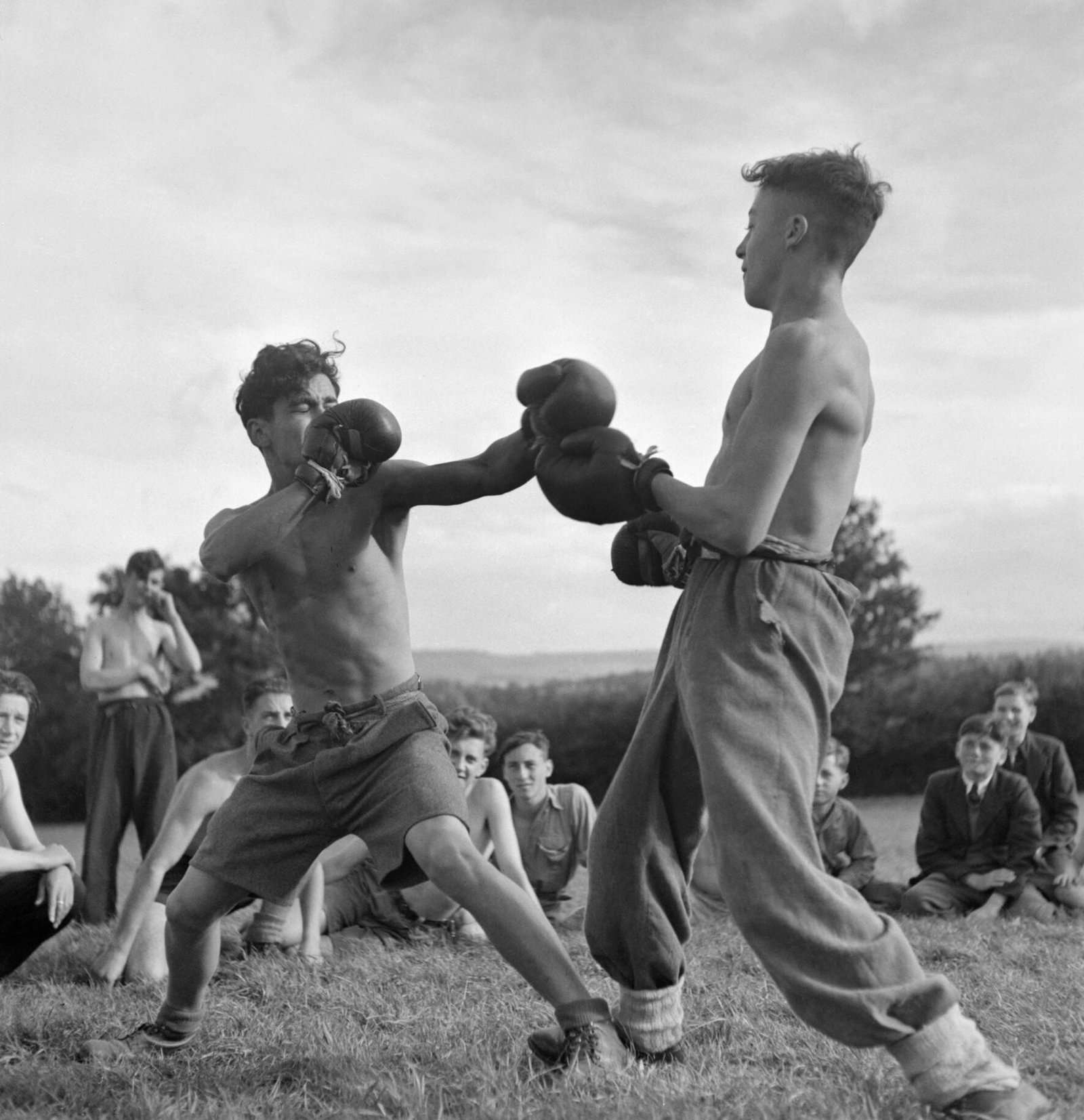
Kubrick financed his first film himself at age 22, following middleweight boxer Walter Cartier through a tense day before a bout in Newark. The black-and-white documentary blends street photography with rhythmic editing, capturing rituals from morning mass to the ring’s roar. Precise compositions highlight Cartier’s isolation amid urban bustle.[3][4]
This short honed Kubrick’s command of visual tension and symmetry, skills that defined Paths of Glory and 2001: A Space Odyssey. It opened doors to RKO distribution and more documentaries, marking his shift from stills to motion mastery. Early risks with handheld shots foreshadowed his perfectionist gaze on human struggle.[5]
Martin Scorsese: What’s a Nice Girl Like You Doing in a Place Like This? (1963)
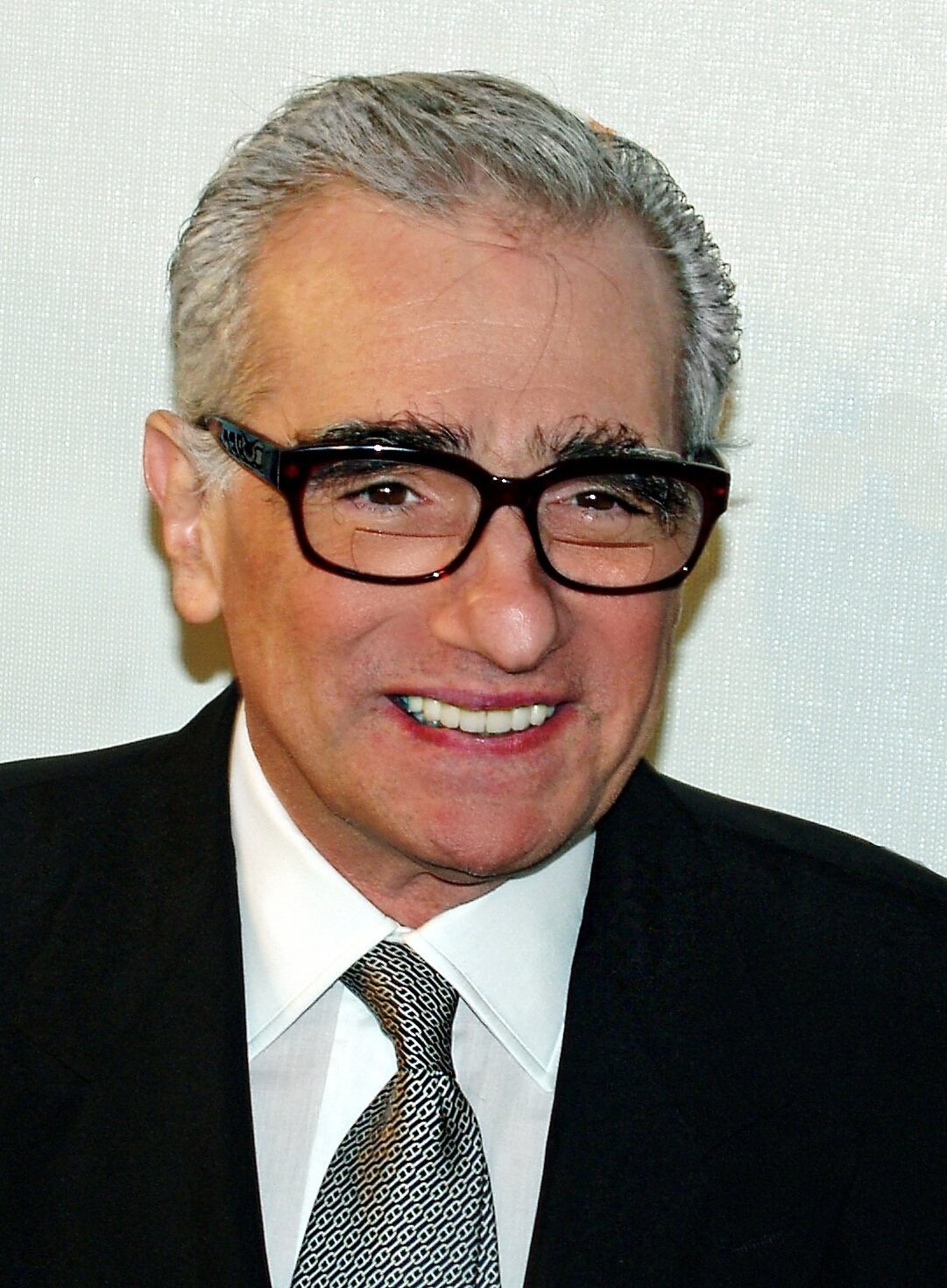
Made as an NYU student film, this surreal comedy tracks writer Algernon, whose fixation on a lakeside boat painting unravels his life. Optical effects whirl the frame into chaos, mixing live action with abstract spins. Frenetic narration pulses over New York vignettes, blending humor with creeping madness.[6][7]
The film’s obsessive protagonist and kinetic style previewed Scorsese’s portraits of troubled men in Mean Streets and Taxi Driver. It snagged a Lincoln Center award, boosting his profile for features. Experimental flair here evolved into his signature blend of personal turmoil and urban grit.[8]
David Lynch: The Grandmother (1970)
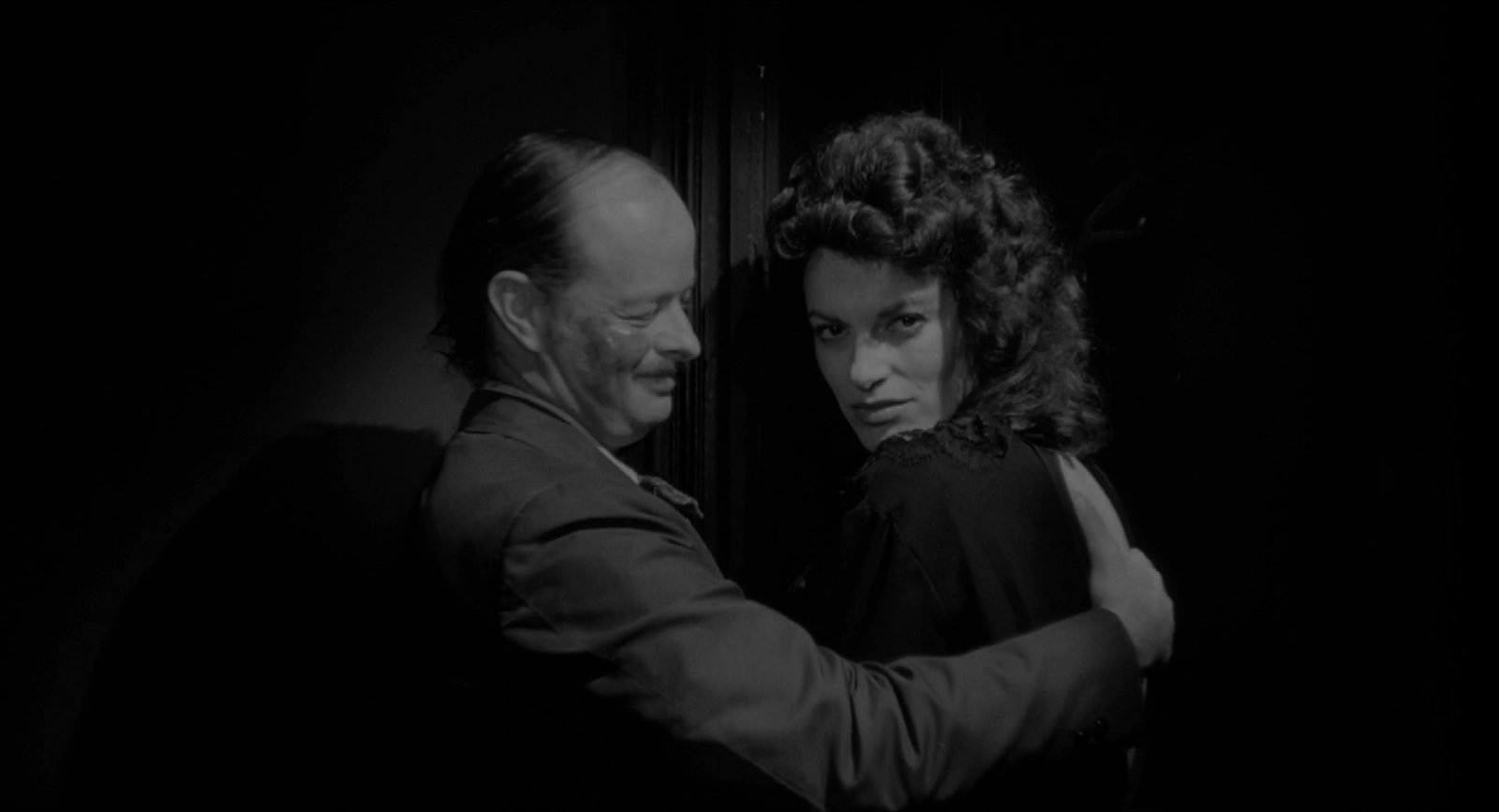
Lynch’s 30-minute hybrid blends animation and live action to depict a boy tormented by brutish parents. He plants a seed that sprouts into a gentle grandmother figure, offering fleeting solace before tragedy strikes. Eerie sounds and stark visuals amplify the home’s nightmarish decay.[9][10]
This AFI-funded piece secured backing for Eraserhead, channeling its dreamlike horror into Lynch’s surreal universe. Themes of familial abuse and subconscious rebellion recur in Blue Velvet and Twin Peaks. Bold animation experiments cemented his painterly approach to psychological dread.[11]
Ridley Scott: Boy and Bicycle (1965)
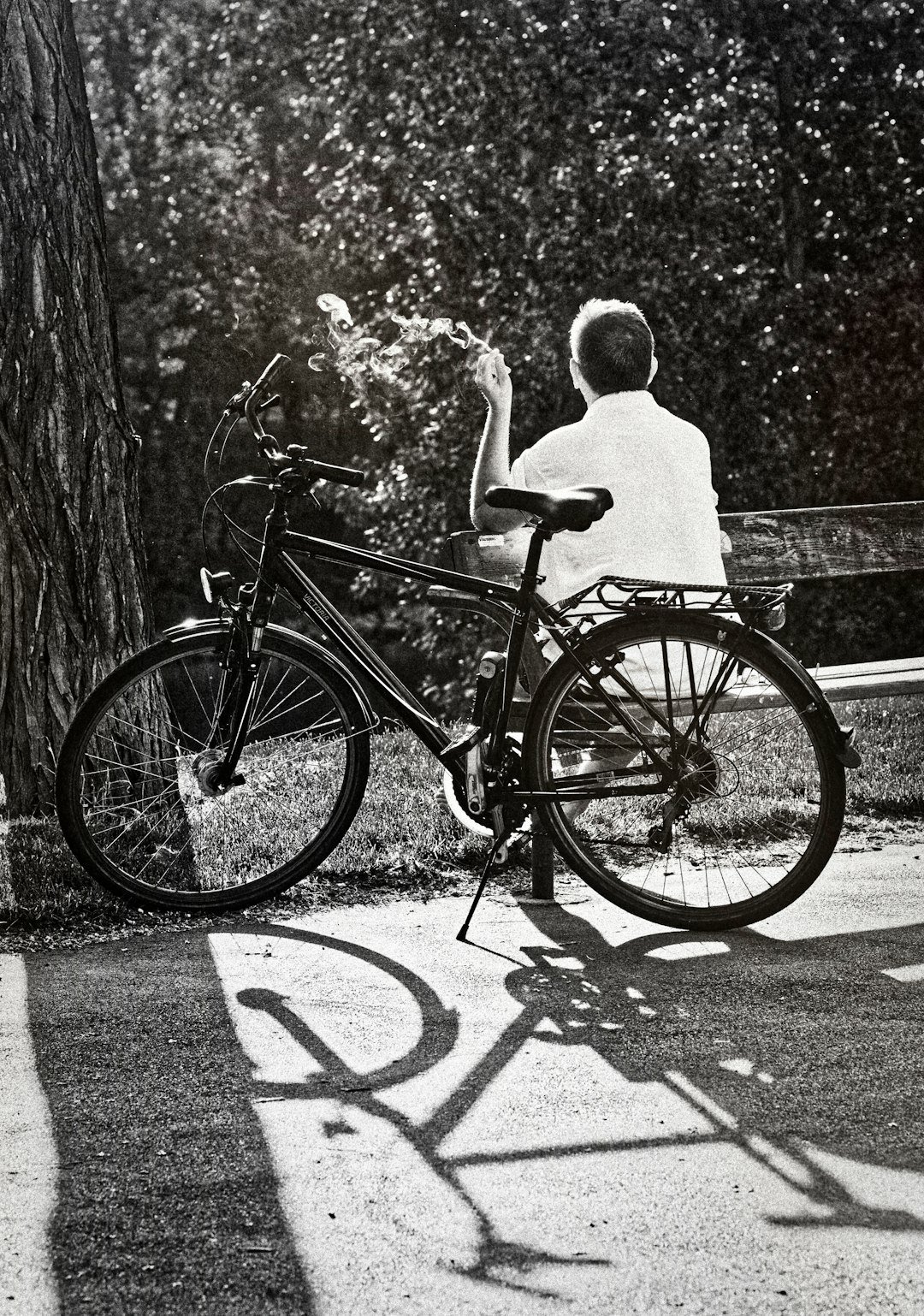
Scott cast his brother Tony as a truant cycling through their English hometown, sketching everyday rebellion on a shoestring. Simple tracking shots follow the bike’s wanderings, laced with wry voiceover. Personal touches ground the tale in quiet defiance.[1]
As his film school entry, it landed TV gigs and honed atmospheric visuals seen in Alien and Blade Runner. Fraternal dynamic mirrors intimate scales in later epics. Early control of space and mood propelled Scott’s ascent from ads to sci-fi spectacles.[1]
George Lucas: Electronic Labyrinth: THX 1138 4EB (1967)
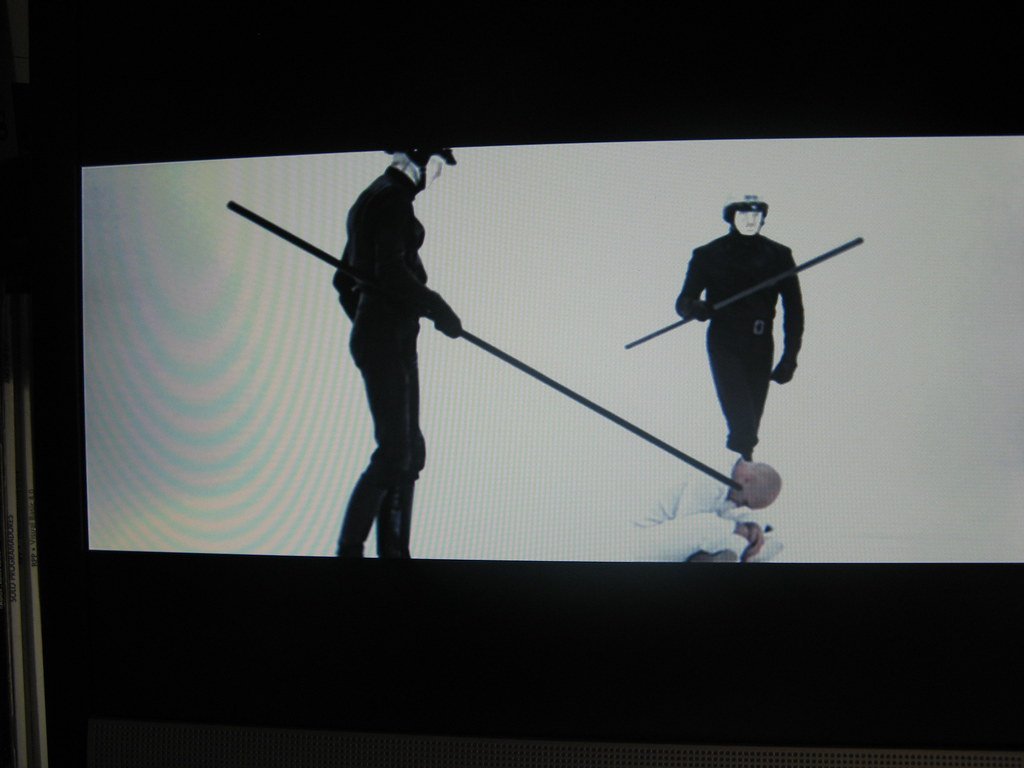
Lucas’s USC short unleashes THX 1138 fleeing a drugged, surveilled dystopia via stark white corridors. Pursuit by robotic enforcers builds claustrophobic dread with innovative sound design. Minimalist sets pulse with authoritarian chill.[12][13]
Award wins expanded it into his feature debut THX 1138, refining world-building for Star Wars. Surveillance motifs echo in broader franchises. Student ingenuity sparked Lucasfilm’s empire.[14]
Paul Thomas Anderson: Cigarettes & Coffee (1993)
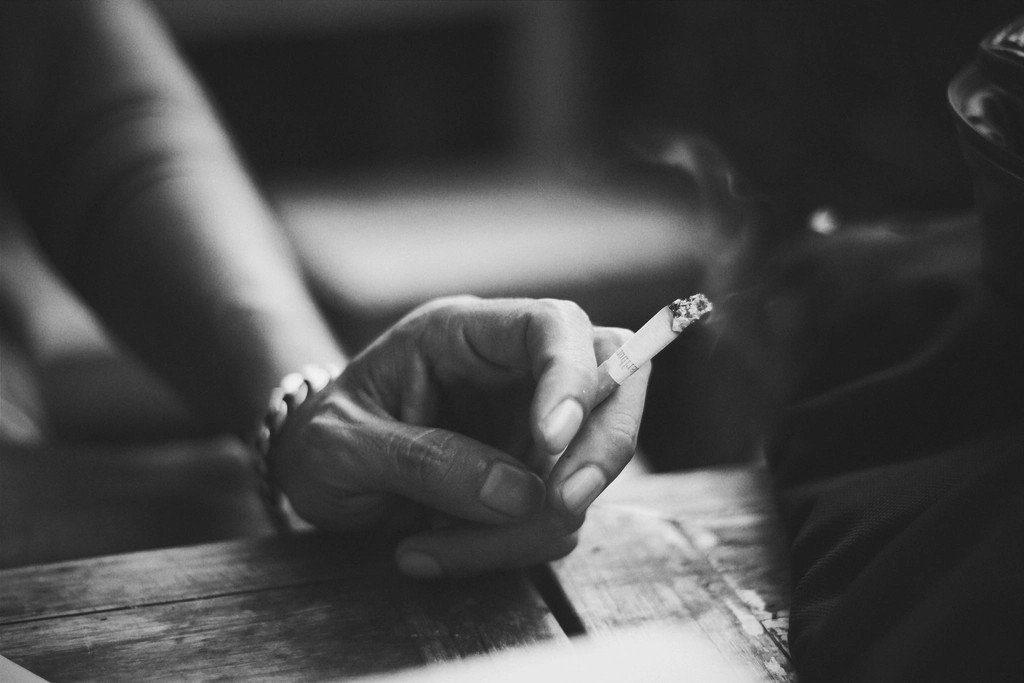
Funded by college savings, this vignette links strangers via a diner $20 bill, starring Philip Baker Hall in a hypnotic opener. Interwoven chats reveal quiet desperations amid smoke-filled booths. Nuanced performances drive the mosaic.[15][2]
Sundance submission birthed Hard Eight, expanding its web into PTA’s ensemble tapestries like Magnolia. Dialogue rhythm and character depth set his auteur path. Micro-budget grit fueled There Will Be Blood’s sprawl.[16]
Wes Anderson: Bottle Rocket (1994)
The 13-minute black-and-white short follows friends Dignan and Anthony plotting a clumsy burglary, brimming with deadpan banter. Symmetrical frames and quirky plans capture aimless youth. Wilson brothers shine in breakout roles.[17][18]
Screened at Sundance, it greenlit the feature version, birthing Anderson’s whimsical deadpan in Rushmore and The Royal Tenenbaums. Heist folly templates his bittersweet ensembles. Early polish defined his storybook precision.[19]
Christopher Nolan: Doodlebug (1997)
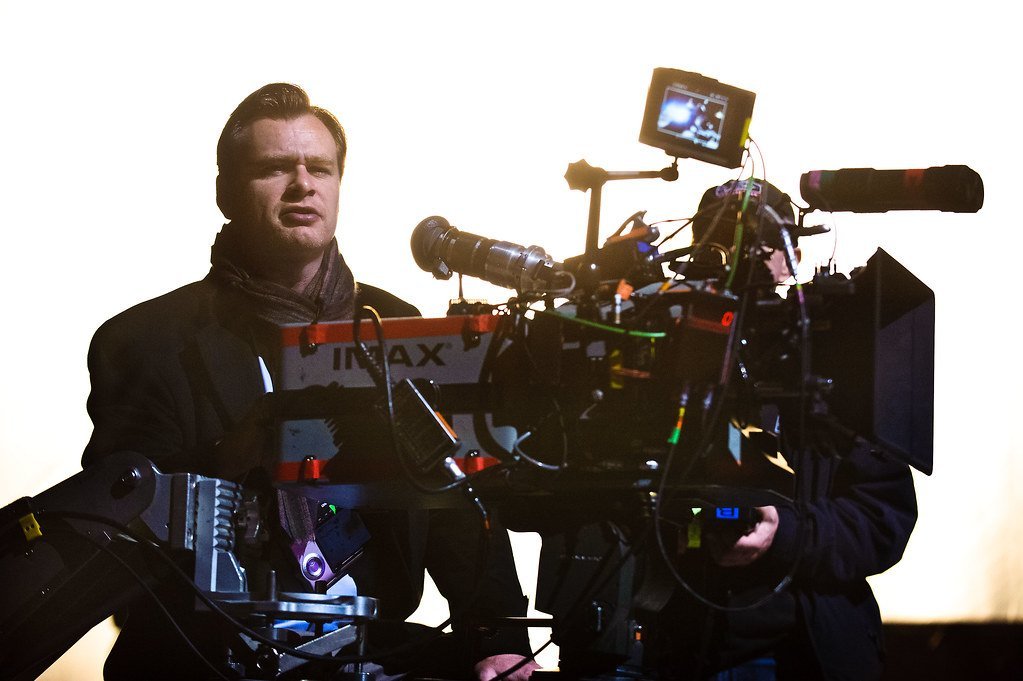
A man stalks a bug in his dingy flat, only to face a doppelganger twist via mirrors and miniatures. Time folds in frantic chases, shot in stark monochrome. Paranoia mounts through clever loops.[1]
Last short before Following, it previewed Memento’s reversals and Inception’s recursions. Low-fi effects showcased nonlinear prowess. Student ingenuity vaulted Nolan to Hollywood puzzles.[1]
Tim Burton: Vincent (1982)
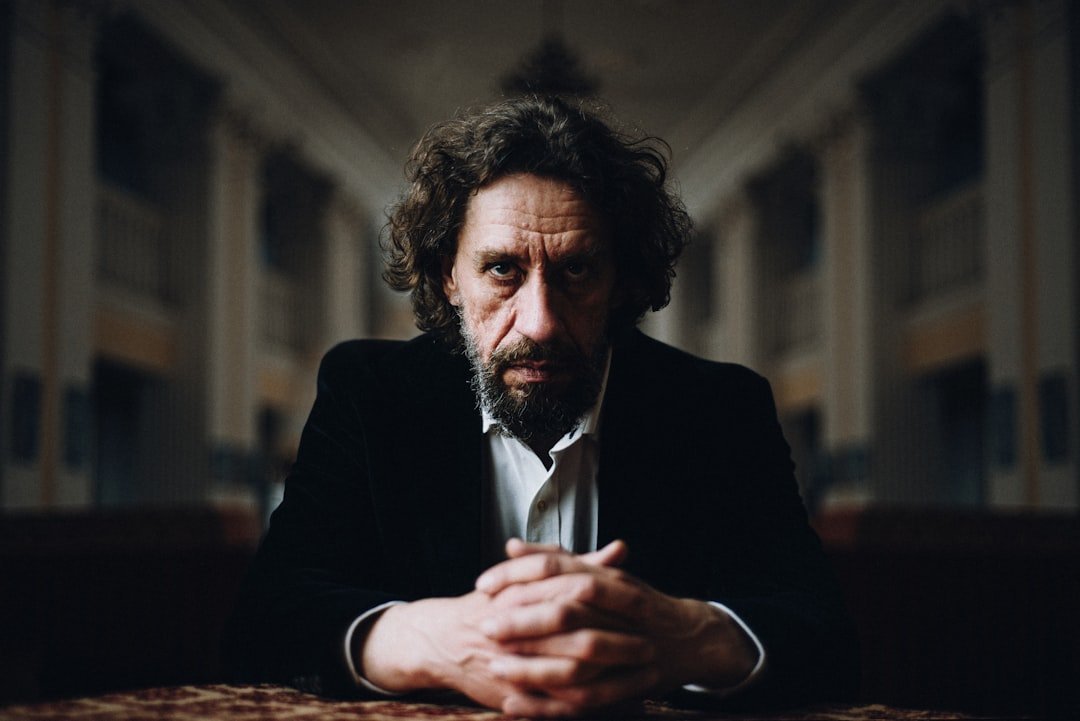
Stop-motion poem narrates Vincent Malloy’s gothic fantasies, idolizing Vincent Price amid suburbia. Rhyming verse and shadowy aesthetics evoke Poe-esque reverie. Eerie elegance unfolds in six minutes.[1]
Disney noticed, hiring Burton for Pee-wee’s Big Adventure and Beetlejuice. Outcast dreams shaped Edward Scissorhands. Animation verve infused his live-action macabre.[1]
Quentin Tarantino: My Best Friend’s Birthday (1987)
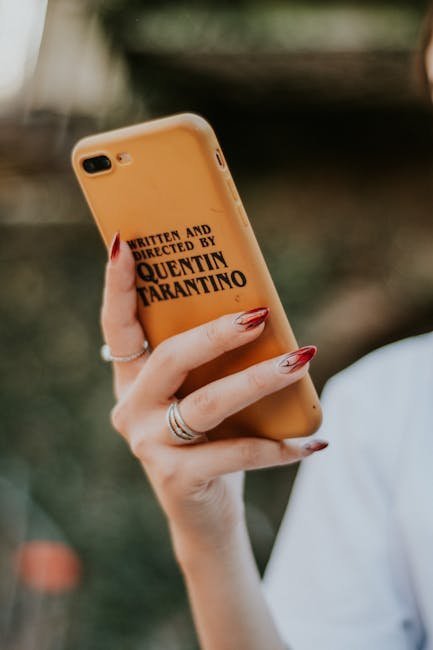
Unfinished black-and-white romp sees Clarence console heartbroken Mickey with chaotic escapades, packed with pop riffs. Tangent-filled dialogue dominates amid car wrecks and club romps. Amateur energy crackles.[20][21]
Video store project yielded Reservoir Dogs scenes, honing Tarantino’s verbose cool. Nonlinear scraps previewed Pulp Fiction. DIY hustle ignited indie stardom.[22]
Conclusion

These overlooked shorts prove bold gambles in youth forged enduring styles. Directors toyed with form and psyche, unburdened by expectation.
From Kubrick’s stark gaze to Tarantino’s chatter, early experiments ripple across decades. Cinema thrives when creators first chase pure impulse.[2]