

Kindergarten

The word “Kindergarten” is so embedded in American culture that it’s almost strange to imagine a time when it wasn’t used. Originating from the German words “Kinder” (children) and “Garten” (garden), it translates to “children’s garden.” This term is used to describe the first formal year of schooling for young children, usually around the ages of five or six. In America, it represents a crucial stepping stone in a child’s educational journey. It signifies not only the beginning of academic learning but also social interaction and growth. The concept and term have become universally accepted, making it hard to picture the American education system without it.
Schadenfreude

“Schadenfreude” is a German term that captures a complex emotion: the pleasure derived from another person’s misfortune. While it may seem like a peculiar sentiment, it’s a feeling most people have experienced at some point. The word has become popular in English because it succinctly describes a specific, often guilty pleasure. It’s commonly used in conversations reflecting on human nature and emotional responses. Despite its sometimes uncomfortable connotations, it serves as a reminder of the intricate emotional spectrum humans possess. The term has found its way into everyday vernacular, providing a linguistic outlet for a universally recognized feeling.
Pretzel

Pretzels are a beloved snack across America, but their roots trace back to Germany. This twisted, doughy treat has been enjoyed for centuries, with the modern version perfected in Germany. Whether you’re enjoying a soft pretzel at a baseball game or munching on pretzel sticks from the grocery store, this snack is a staple in American food culture. Pretzels are not only popular as a snack but also as a symbol of comfort and nostalgia. The simplicity of their ingredients contrasts with the intricate knot shape, making them a fascinating culinary crossover. Their German origin is a testament to how cultural exchanges have shaped American taste buds.
Biergarten
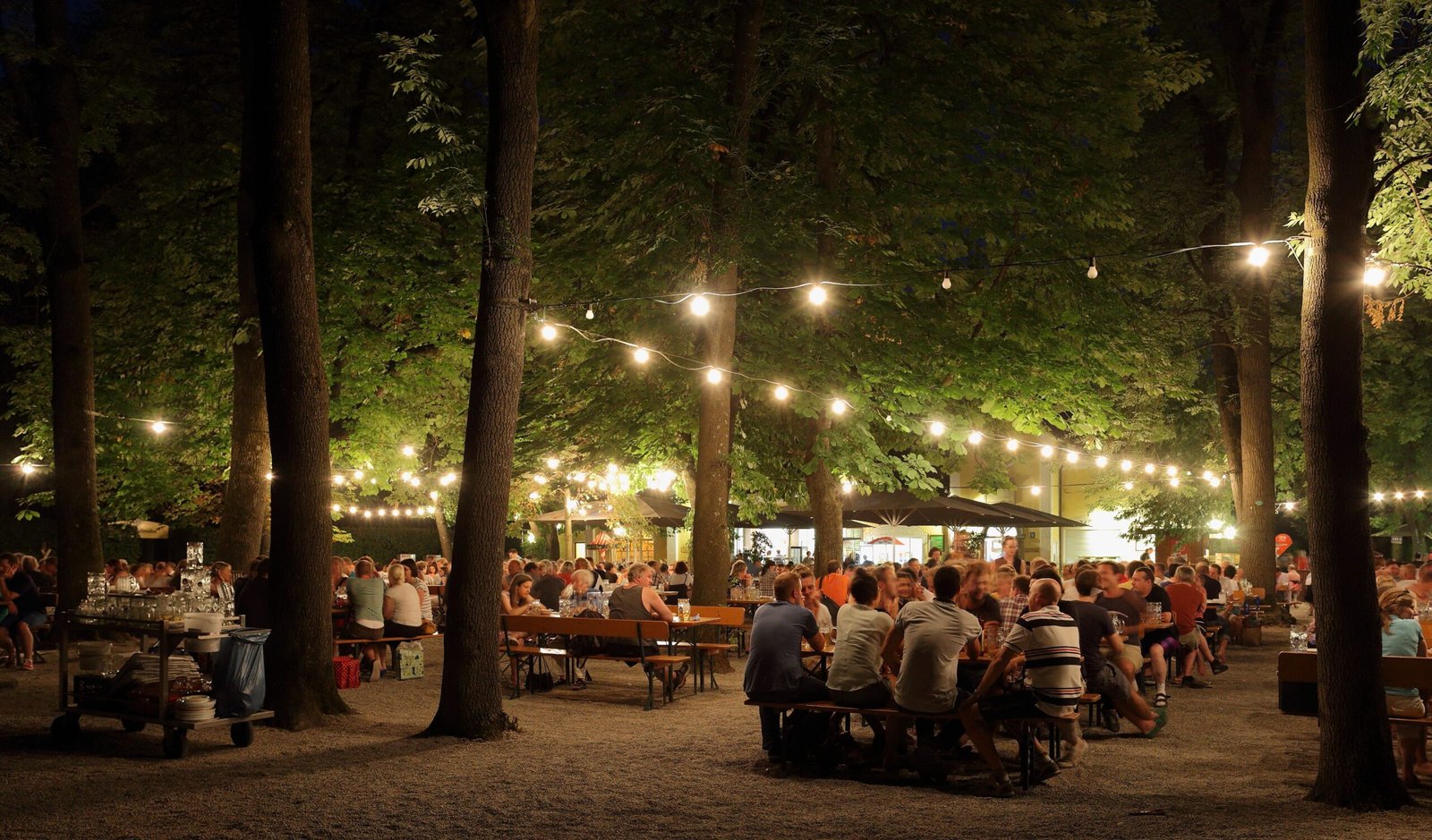
A “Biergarten” is an outdoor beer garden that provides an authentic taste of German leisure. These spaces are designed for socializing over a refreshing drink and hearty food. In America, the concept has gained popularity, particularly in cities with significant German influences or histories. Biergartens offer a communal atmosphere, often located in parks or spacious areas. They serve as a cultural hub where people can relax and enjoy good company, reminiscent of traditional German hospitality. The word “Biergarten” itself has become synonymous with a laid-back, convivial environment, highlighting the cultural exchange that enriches American social life.
Angst

The German word “Angst” has seamlessly integrated into English to describe a pervasive sense of anxiety or existential dread. While it’s often used in discussions about mental health, it also captures the broader feeling of unease that can accompany life’s uncertainties. Unlike typical nervousness, “Angst” conveys a deeper, more reflective emotion. It’s frequently utilized in literature, music, and art to express complex psychological states. The term resonates with many, providing a succinct way to articulate emotions that are otherwise challenging to convey. Its adoption into English underscores the universality of certain emotional experiences.
Doppelgänger
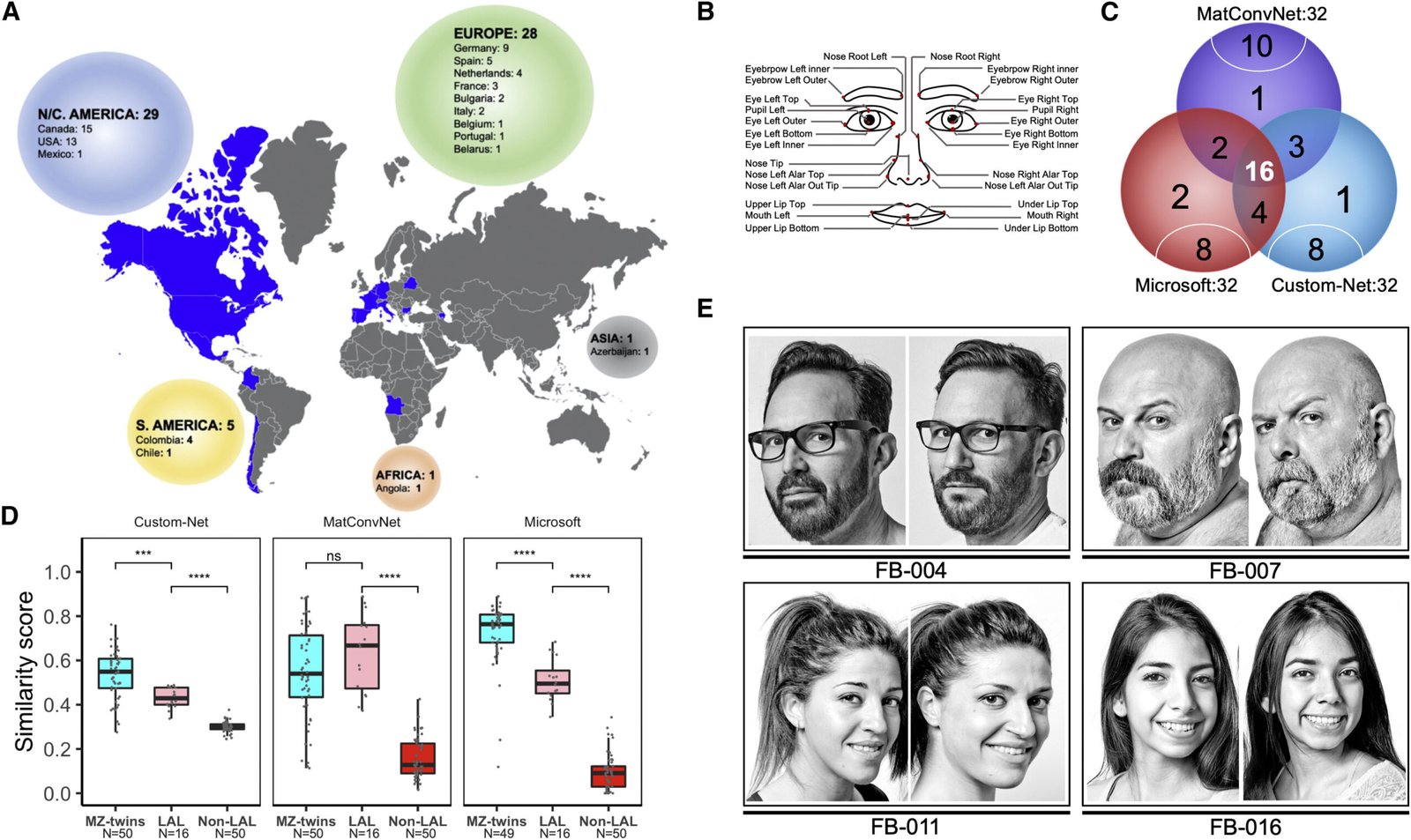
“Doppelgänger,” meaning “double walker” in German, refers to a person who looks strikingly similar to another. This term is often used in popular culture to describe uncanny resemblances, adding a mysterious touch to the notion of a look-alike. Encountering a doppelgänger can be an intriguing experience, making the term a fun addition to everyday language. It’s frequently mentioned in movies, books, and conversations as a way to discuss the eerie similarities between individuals. The concept of a doppelgänger taps into the fascination with identity and the human desire to find connections in unexpected places.
Rucksack

While “backpack” is the more common term in the U.S., “rucksack” is often used in the context of outdoor activities. Derived from the German words “Rücken” (back) and “Sack” (bag), it refers to a sturdy hiking bag or travel backpack. The word evokes a sense of adventure and exploration, appealing to outdoor enthusiasts. In America, “rucksack” is synonymous with durability and practicality, especially in the context of hiking and camping. It’s a term that has endured, reflecting the timeless appeal of outdoor pursuits and the influence of German language on American outdoor culture.
Uber

The word “Uber” has gained a new connotation in modern American culture, largely due to the ride-sharing app. However, its German origins mean “over” or “super,” and it’s used to convey excellence or superiority. Before the app, phrases like “über-cool” or “über-fast” were common ways to express something exceptional. Today, “Uber” symbolizes convenience and innovation in transportation. Its transformation from a simple adjective to a brand name reflects the dynamic nature of language and cultural adaptation. The widespread use of “Uber” exemplifies how a word can evolve and adapt to new contexts.
Gesundheit

When someone sneezes, you might instinctively say “Gesundheit,” a German word meaning “health.” This polite response has become an integral part of American etiquette, especially in informal settings. It’s a small gesture that wishes good health to the sneezer, embodying a sense of community and care. The use of “Gesundheit” highlights the blending of languages in everyday exchanges. This simple word serves as a reminder of cultural interconnectedness, illustrating how traditions and customs can transcend borders and become part of a shared human experience.
Conclusion

These German words have woven themselves into the fabric of American life in ways that are often overlooked. From “Kindergarten” to “Gesundheit,” each term carries with it a piece of cultural history and a testament to the enduring impact of language exchange. Whether it’s through food, expressions, or convenient phrases, the influence of the German language is ever-present. These words not only enrich the English vocabulary but also serve as a reminder of the cultural ties that continue to shape our daily interactions.