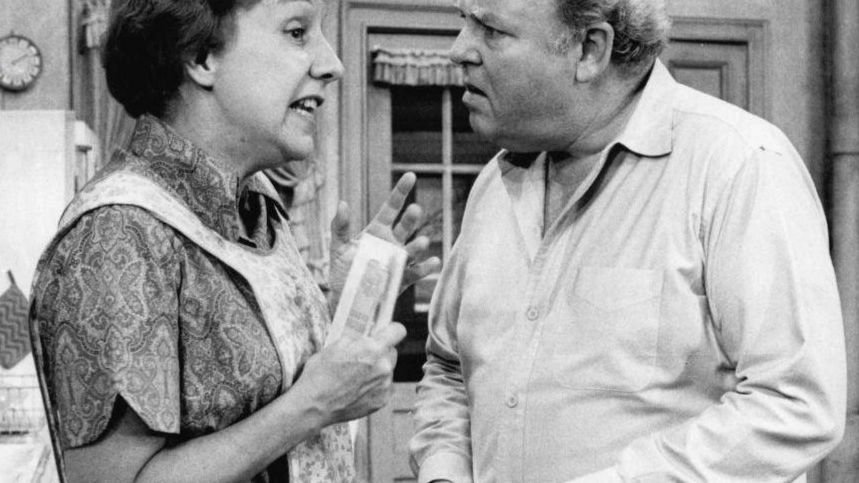
Sitcoms have long served as more than just escape. They often weave sharp humor around the era’s toughest conversations. From the 1970s onward, shows like All in the Family pushed boundaries, using laughter to spotlight prejudice and personal crises.
This blend kept viewers hooked while prompting reflection. Producers risked backlash for authenticity. Those choices paid off, turning lighthearted series into cultural touchstones.[1]
Maude: “Maude’s Dilemma” (1972)
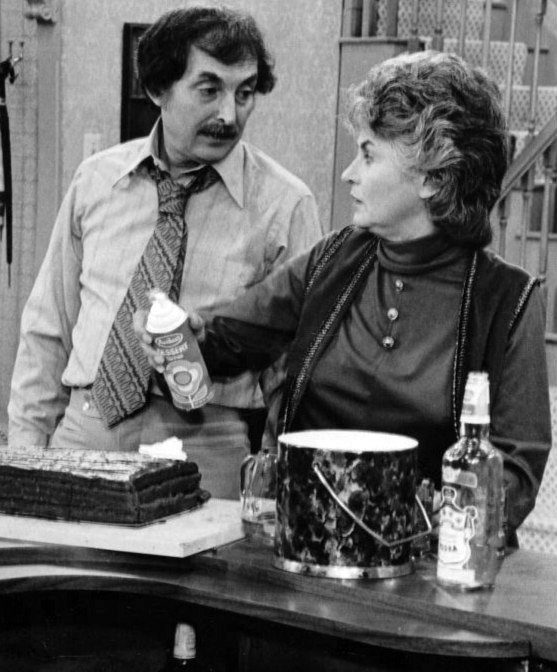
photo front
photo back, Public domain)
Maude Findlay, a outspoken liberal in her late 40s, faces an unplanned pregnancy. The two-part episode explores her internal conflict over abortion, just months before Roe v. Wade. Family debates highlight generational divides on women’s rights and bodily autonomy. The story unfolds with raw emotion amid Maude’s signature wit.
Audience reaction split sharply at the time. While ratings soared to number one with 41 percent of viewers tuning in, controversy erupted. Nearly 40 CBS affiliates refused to air it, citing moral concerns. Still, the boldness drew praise for sparking national dialogue on a taboo topic.[2][3]
All in the Family: “Edith’s 50th Birthday” (1977)
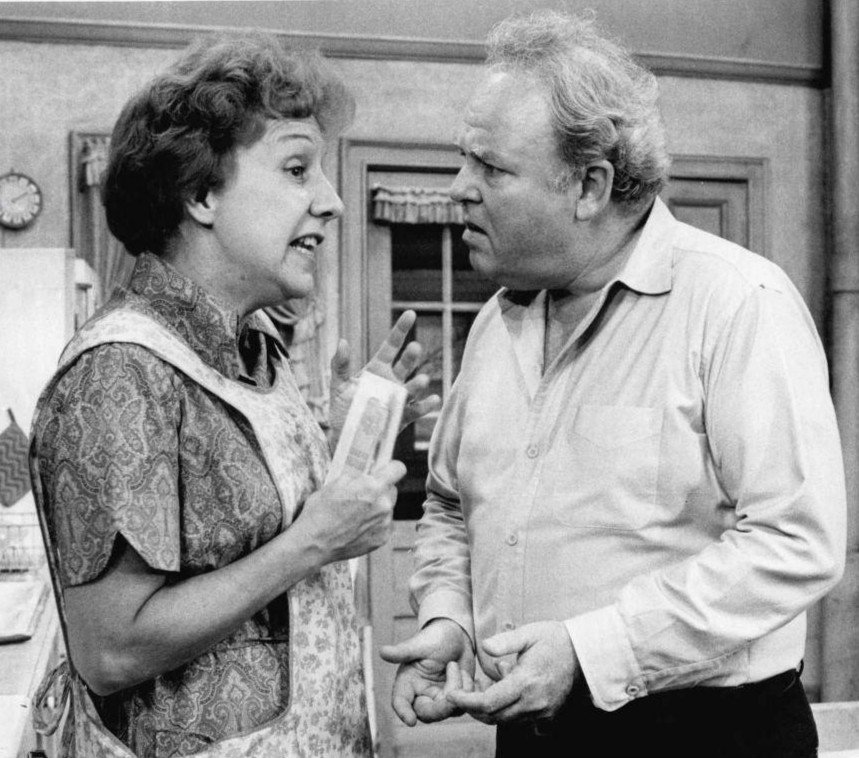
photo front
photo back, Public domain)
Edith Bunker’s milestone birthday turns terrifying when a rapist poses as a detective. Alone at home, she stalls him with tea and talk until help arrives. The episode confronts sexual violence head-on, showing vulnerability without graphic detail. Archie’s absence underscores everyday risks for women.
Viewers grappled with the gravity amid the show’s usual laughs. It aired to strong ratings and critical acclaim for its unflinching portrayal. Many commended the focus on survivor resilience from a female perspective. The two-parter became a benchmark for handling trauma in comedy.[4]
Diff’rent Strokes: “The Bicycle Man” (1983)

Arnold and Dudley befriend a bike shop owner who lures them with free repairs and games. The two-parter reveals his predatory intent, culminating in a police sting. It depicts grooming tactics starkly, urging kids to speak up. A special disclaimer warned families upfront.
The episodes stunned audiences nationwide. Critically acclaimed, they sparked widespread discussions on child safety. One real-life case even led to an arrest after a child reported abuse inspired by the story. Ratings held strong, cementing its place as a “very special episode” pioneer.[5][6]
The Golden Girls: “72 Hours” (1990)
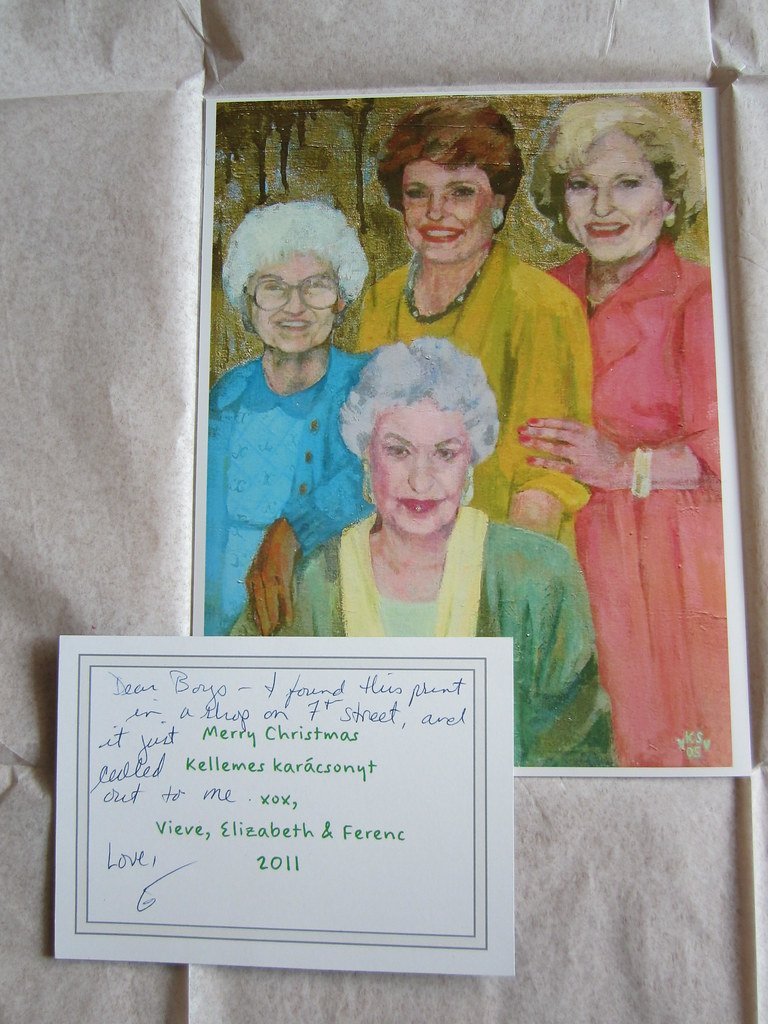
Rose awaits HIV test results after a blood transfusion. Anxiety grips the household as she confronts mortality and stigma. Friends rally with support, blending tears and tenderness. The episode demystifies AIDS transmission at a time of widespread fear.
Fans responded with deep appreciation for its sensitivity. It resonated during the AIDS crisis, educating while humanizing the issue. Viewership remained robust, and the show earned praise for tackling health taboos gracefully. Many later credited it with reducing misconceptions.[6]
M*A*S*H: “Goodbye, Farewell and Amen” (1983)
(Original text : eBay item
photo front
photo back), Public domain)
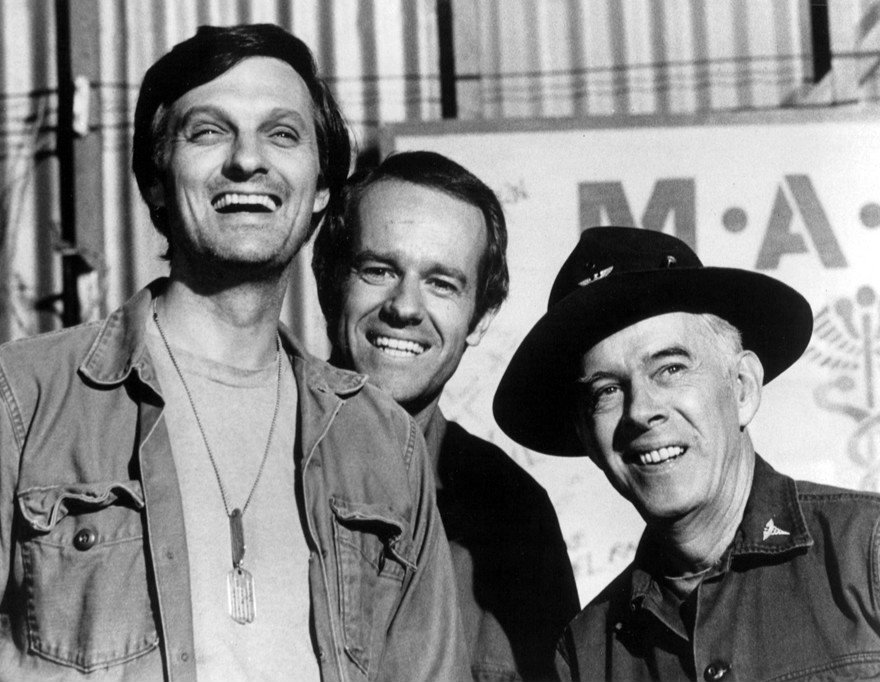
The series finale wraps 11 seasons of Korean War chaos with profound loss. Hawkeye grapples with suppressed trauma in a psych ward. Characters part amid ceasefire news, reflecting war’s scars. Humor fades into quiet devastation.
It drew the largest TV audience ever at the time, over 105 million viewers. Emotional weight left many in tears, praising the honest war portrayal. Critics hailed it as a fitting end to a groundbreaking run. The response solidified M*A*S*H’s legacy beyond comedy.[4]
The Fresh Prince of Bel-Air: “Mistaken Identity” (1990)

Will and Carlton borrow a luxury car, only to face racial profiling by police. Handcuffed and interrogated, they endure humiliation based on skin color. The episode exposes systemic bias through raw frustration and family fallout.
Early in the show’s run, it struck a chord with diverse audiences. High ratings reflected its timeliness amid real-world tensions. Viewers lauded the unfiltered take on racism, fueling conversations. It boosted the series’ reputation for substance.[6]
The Facts of Life: “Breaking Point” (1980)

A new girl wins big but attempts suicide, shaking the boarding school. The girls process grief and pressure through talks. Blair launches a teen hotline. It stresses seeking help without preachiness.
Audiences found it profoundly moving, possibly life-saving. Airing early in the “very special” trend, it garnered solid Nielsens. Praise focused on realistic teen struggles. The episode helped normalize mental health discussions.[5]
Family Ties: “Say Uncle” (1985)

Uncle Ned, played by Tom Hanks, hides his alcoholism during a visit. Family tension builds as denial crumbles into intervention. Alex’s confrontation forces truth. It portrays addiction’s grip with nuance.
Viewers connected deeply, with Hanks’ performance earning raves. Ratings climbed during sweeps, signaling strong engagement. Many shared personal stories post-airing. The episode advanced portrayals of family enablers.[1]
The Jeffersons: “Sorry, Wrong Meeting” (1979)
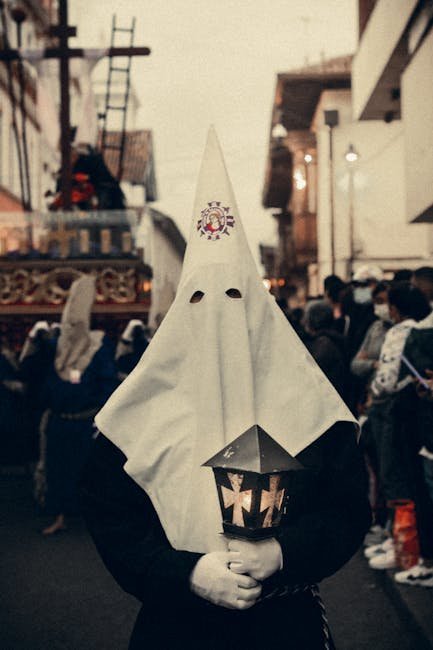
George crashes what he thinks is a neighborhood watch, discovering a KKK gathering. Dark humor exposes hatred’s absurdity. He escapes wiser, confronting bigotry head-on.
The timely satire drew big laughs and reflection. Solid ratings affirmed its appeal. Fans appreciated flipping racism for critique. It reinforced the show’s boundary-pushing style.[1]
Punky Brewster: “Just Say No” (1985)

Punky faces peer pressure to smoke marijuana for clique acceptance. She resists, starting her own club. Stars joined anti-drug rallies afterward. Simple message amid kid-friendly fun.
Kids and parents alike tuned in heavily. It tied into national “Just Say No” campaigns, boosting visibility. Positive feedback highlighted empowerment. Ratings success spawned more PSAs.[5]
Comedy’s Role in Social Reflection
photo, Public domain)
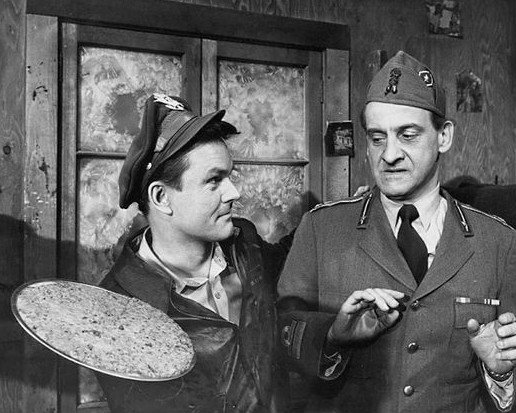
These episodes prove laughs can illuminate hard truths. They met audiences where they lived, blending comfort with challenge. Risks taken then echo today, reminding us media shapes minds subtly.
Comedy disarms, then delivers. By humanizing issues, sitcoms fostered empathy across divides. Their legacy endures in bolder storytelling now. Laughter, it turns out, lights the way forward.