
Transformative texts have long served as catalysts for rethinking core aspects of existence. They challenge entrenched beliefs in philosophy, upend political structures, and redefine social norms.
These works do not merely inform. They provoke shifts in perception that ripple through generations, altering how societies organize power, understand nature, and value individual rights.[1][2]
The Republic by Plato
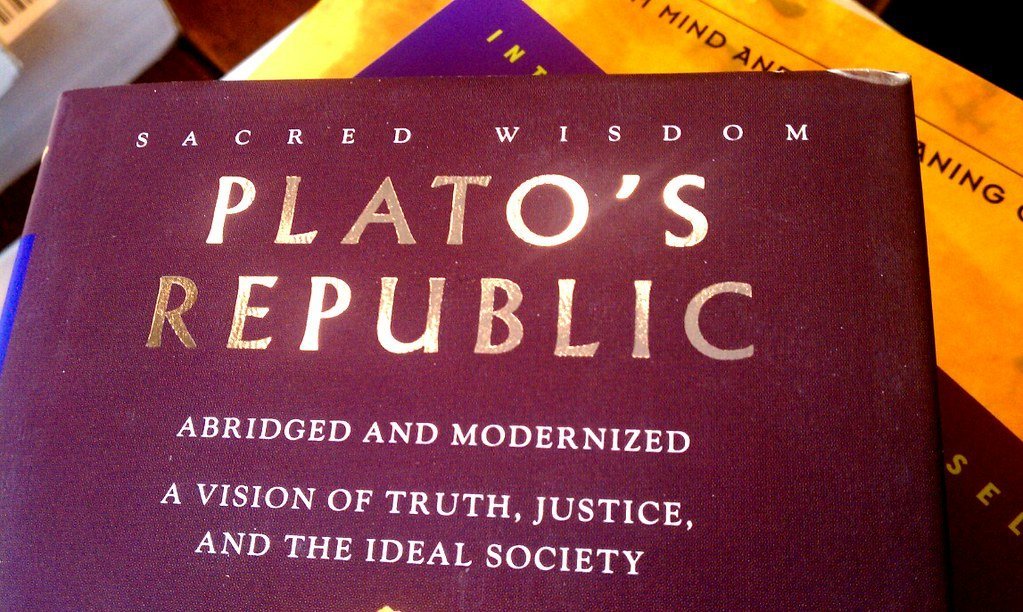
Plato’s dialogue probes justice at individual and societal levels. It envisions a hierarchical city-state ruled by philosopher-kings, using the Allegory of the Cave to illustrate enlightenment’s ascent from illusion to truth. This framework elevated philosophy’s role in governance, influencing debates on ideal leadership.[1][3]
Centuries later, its ideas shaped Western political thought, from utopian visions to critiques of democracy. Figures across ideologies drew on its principles for moral and educational reforms. The work endures as a cornerstone for examining law, happiness, and human potential.[4]
The Prince by Niccolò Machiavelli

Machiavelli offered pragmatic counsel for rulers navigating treacherous politics. He prioritized survival through cunning and force over moral purity, famously separating ethics from statecraft. This realism shocked contemporaries but provided a blueprint for effective power maintenance.[1][3]
Its influence permeated modern leadership doctrines, coining terms like “Machiavellian.” Leaders and theorists adopted its lessons on adaptability amid chaos. The book transformed views of politics as a contest of wills rather than divine right.[4]
Leviathan by Thomas Hobbes
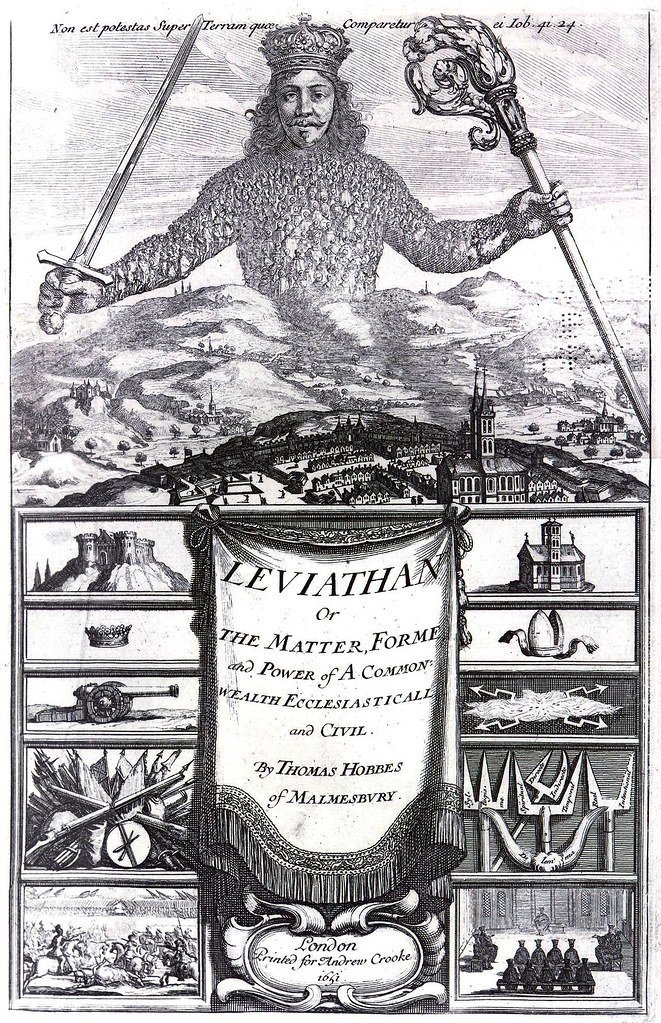
Hobbes depicted humanity’s natural state as a war of all against all, necessitating a sovereign’s absolute authority for peace. He introduced secular social contract theory, grounding state legitimacy in mutual security. This countered divine monarchy claims with rational necessity.[3]
Its ideas fueled absolutism debates and liberal responses alike. Modern state theories trace roots here, balancing order against liberty. Hobbes reshaped perceptions of authority as a human invention for survival.[1]
The Wealth of Nations by Adam Smith
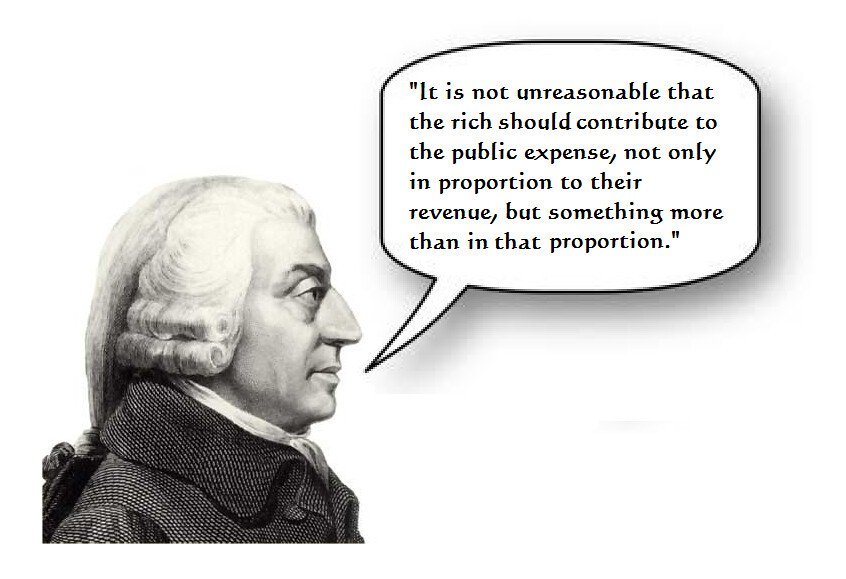
Smith laid economics’ foundations, advocating free markets where self-interest fosters prosperity via an “invisible hand.” He championed labor division and trade barriers’ removal. This challenged mercantilism’s hoarding ethos.[1][3]
Laissez-faire policies worldwide stemmed from its principles. It influenced capitalism’s rise and welfare state critiques. Smith’s vision redefined wealth as productive flows, not static treasures.[4]
The Communist Manifesto by Karl Marx and Friedrich Engels
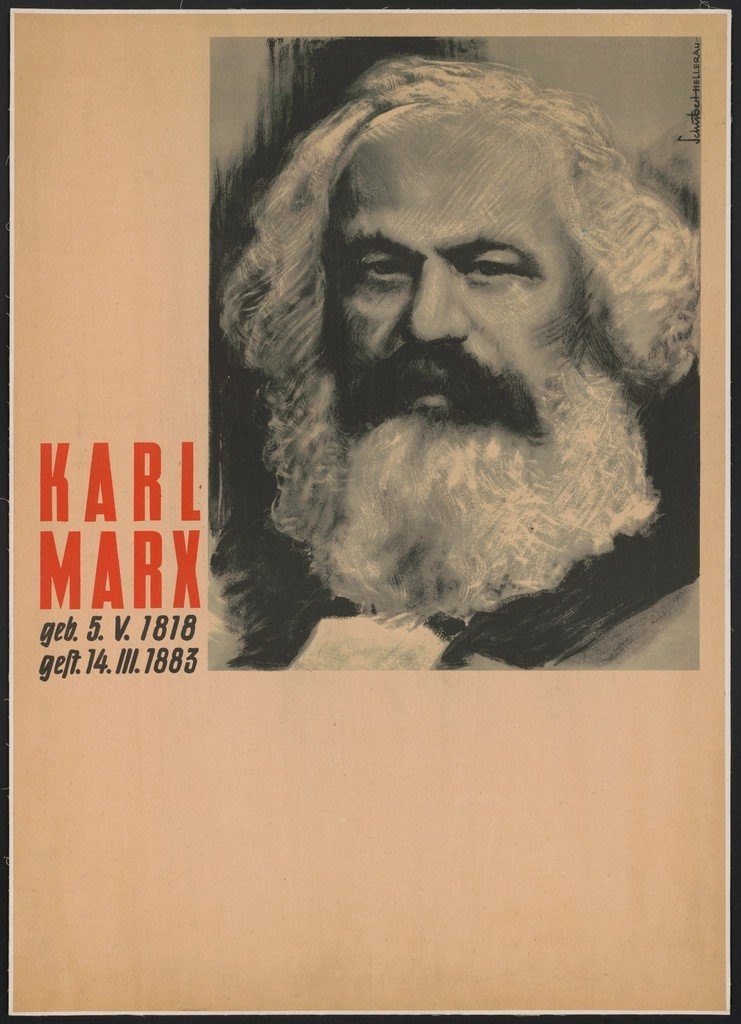
The manifesto framed history as class struggle, predicting capitalism’s self-destruction under proletarian revolt. It praised industry’s disruptions while foreseeing workers’ emancipation. This dialectical lens galvanized revolutionary fervor.[1][2]
Twentieth-century upheavals, from Russia to China, invoked its call. It permeates labor rights and inequality discourses today. Marx recast society as economic forces in perpetual conflict.[4]
On the Origin of Species by Charles Darwin
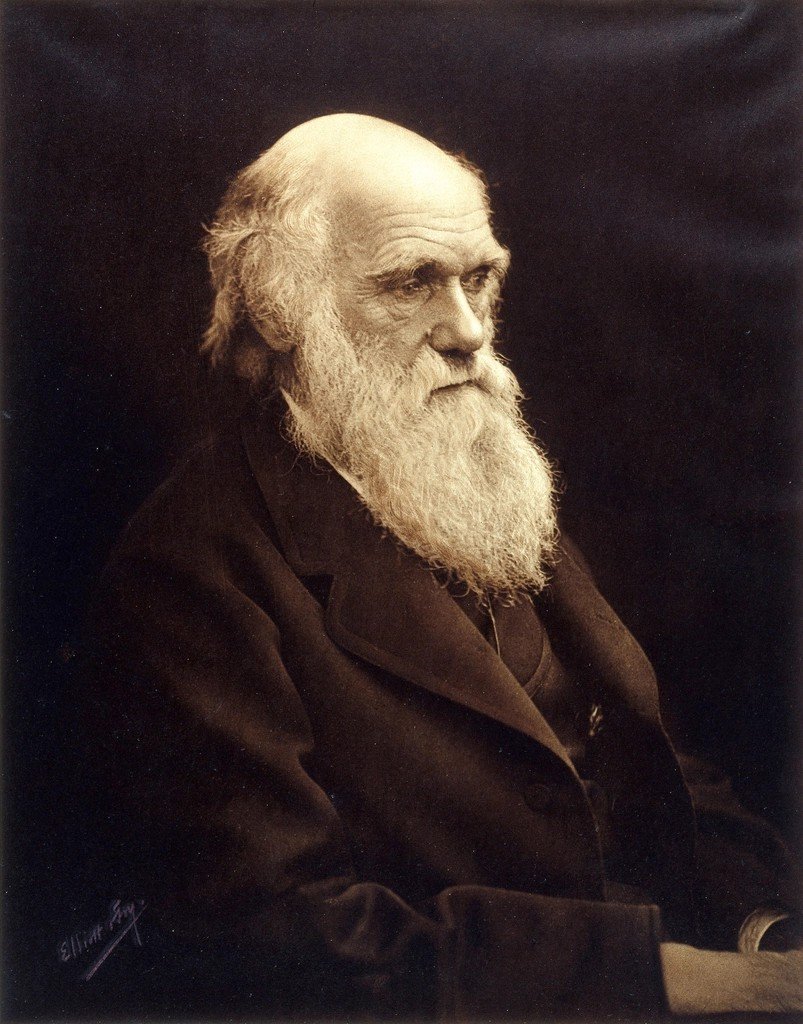
Darwin presented natural selection as life’s engine, explaining diversity through gradual adaptation. Evidence from voyages dismantled fixed species notions. It secularized biology, attributing change to observable mechanisms.[2]
Evolutionary theory revolutionized sciences and philosophies, from genetics to ethics. It challenged creationism, fostering empirical worldviews. Darwin’s insights underpin modern understandings of humanity’s place in nature.[4]
The Second Sex by Simone de Beauvoir

De Beauvoir dissected women’s “otherness,” arguing gender as social construct over biology. She linked oppression to broader dominations, urging autonomy through education and rights. This existential feminism ignited awareness.[2][4]
Second-wave feminism built on its foundations, advancing equality laws. It reshaped gender studies and self-perception globally. De Beauvoir compelled societies to view women as subjects, not objects.[1]
Silent Spring by Rachel Carson

Carson exposed pesticides’ ecological devastation, blending science with poetic urgency. She revealed humanity’s hubris in dominating nature unchecked. This sparked public outrage against chemical overuse.[4]
Environmental regulations, like the EPA’s creation, followed swiftly. It birthed the green movement, prioritizing sustainability. Carson shifted paradigms from conquest to stewardship of the planet.[2]
The Interpretation of Dreams by Sigmund Freud
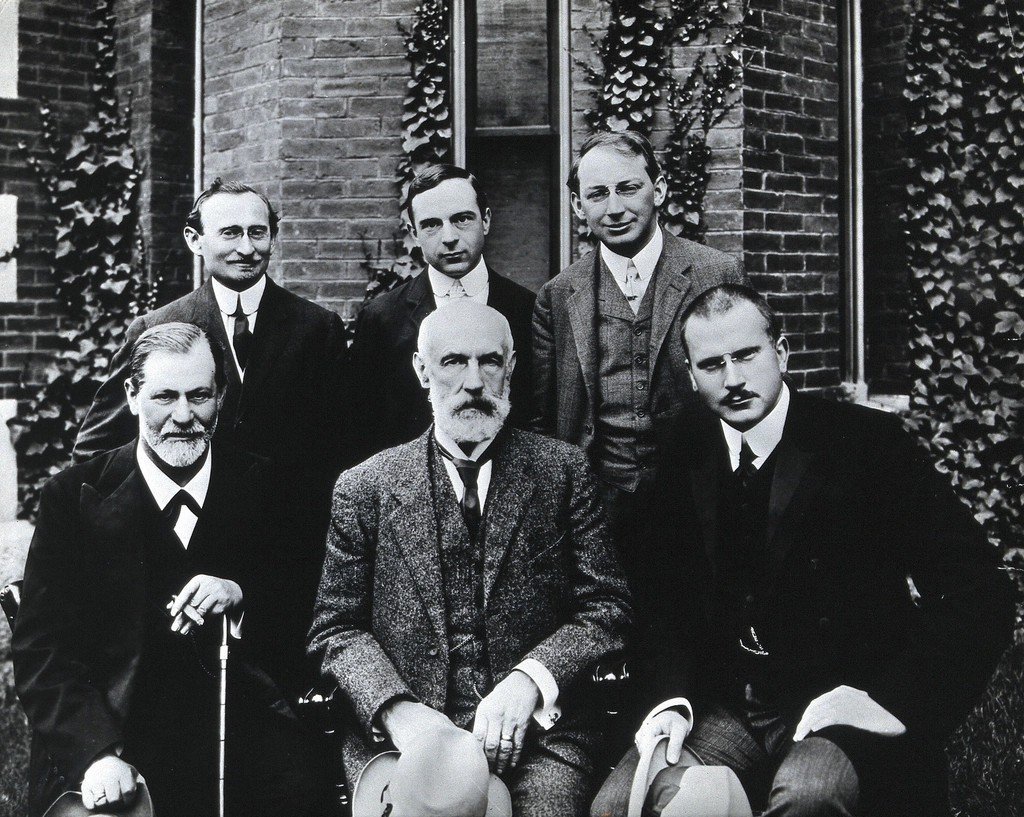
Freud unveiled dreams as wish fulfillments masked by unconscious desires. He illuminated psyche’s hidden drives, sexuality, and aggression. This founded psychoanalysis, probing mental depths.[2]
Therapy practices and cultural analyses evolved from its revelations. It humanized inner turmoil, influencing art and self-understanding. Freud expanded consciousness to include the repressed.[1]
On Liberty by John Stuart Mill
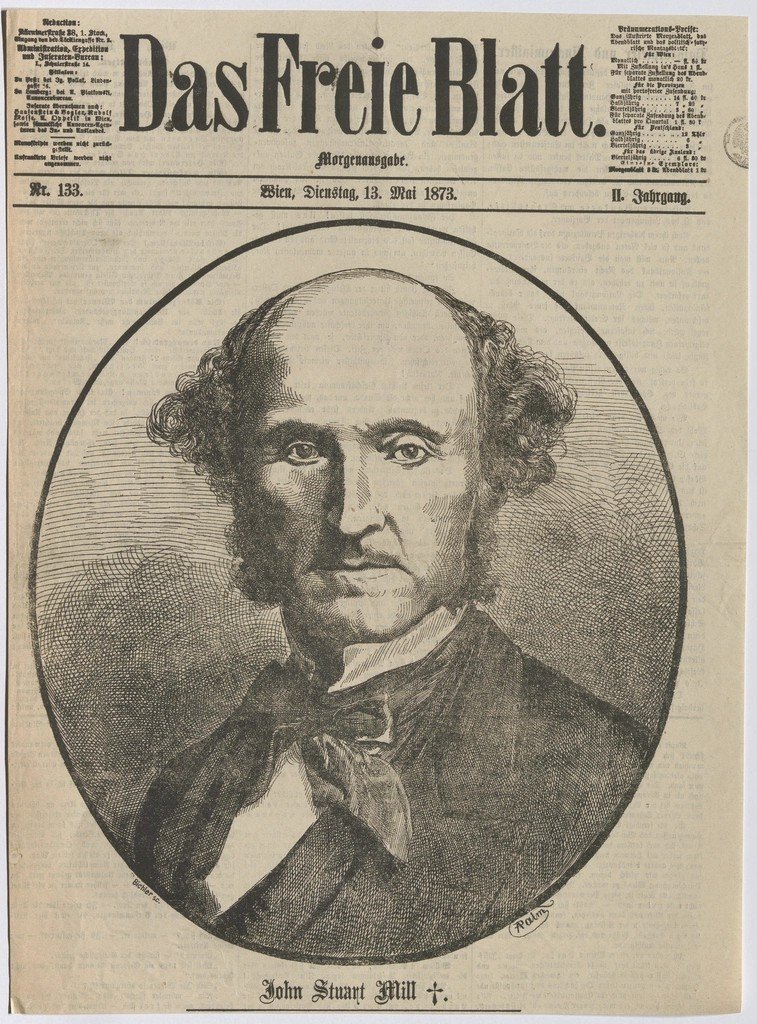
Mill defended free speech against majority oppression, via utilitarianism weighing harms. He advocated individual freedoms barring injury to others. This bolstered liberal tenets.[1][3]
Civil liberties laws worldwide echo its harm principle. It advanced suffrage and tolerance discourses. Mill fortified democracy’s bulwarks against conformity.[4]
Literature’s Power to Reshape Thought

These books demonstrate how ideas, once committed to page, ignite enduring transformations. They dismantle old certainties, forging new paths in collective reasoning.
Though contexts evolve, their challenges persist, inviting continual reevaluation. In a complex world, such texts remind us that thought itself remains malleable.