1️⃣ George Orwell – 1984 (1949) 👁️🔎

George Orwell’s “1984” remains a poignant cautionary tale about mass surveillance and thought control. In his narrative, Orwell described a dystopian regime that used invasive telescreens and manipulated language to stifle freedom of thought. Fast forward to today, and we find unsettling parallels with government surveillance, such as the NSA’s monitoring programs and the widespread deployment of CCTV cameras. Orwell’s vision also anticipates the manipulation of truth, evident in today’s political misinformation and censorship across various countries. A 2021 report by Freedom House highlighted a decline in global internet freedom for the 11th consecutive year, reflecting Orwell’s concerns about the erosion of privacy and individual liberties in the digital age.
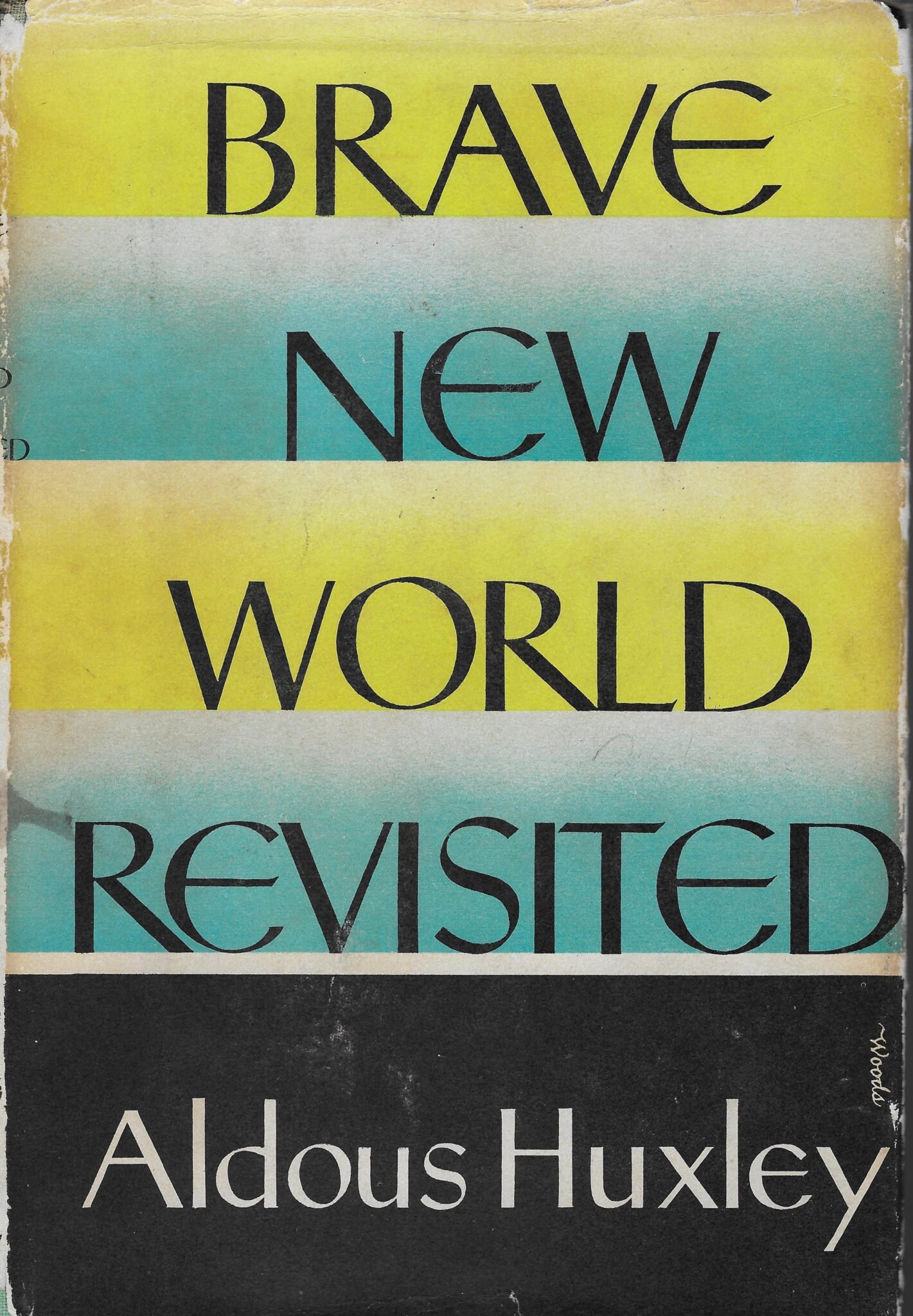
2️⃣ Aldous Huxley – Brave New World (1932) 🏙️💊

Aldous Huxley’s “Brave New World” introduced readers to a society pacified by pleasure, drugs, and entertainment rather than coercion. This dystopian vision resonates with our modern world, where social media and reality TV dominate our attention, and antidepressants are widely used. Huxley’s concept of “soma,” a drug that ensures happiness, mirrors the modern reliance on pharmaceuticals for mental health. The rise of consumerism and instant gratification further aligns with Huxley’s portrayal of a distracted society. A 2020 study published in the Journal of Medical Internet Research found a link between social media use and increased anxiety and depression, supporting Huxley’s vision of a society seeking solace in superficial pleasures.
3️⃣ Jules Verne – From the Earth to the Moon (1865) 🚀🌕

Jules Verne’s “From the Earth to the Moon” is a visionary work that predicted space travel and moon landings long before they became a reality. Verne’s detailed descriptions of a lunar mission, including the launch from Florida, were eerily accurate when Apollo 11 landed on the Moon in 1969. His foresight in imagining the technological advancements required for space exploration has been acknowledged by historians and scientists alike. Verne’s imaginative leap into the future underscores the power of fiction to inspire real-world scientific achievements, and his work continues to be celebrated for its prescient insights into humanity’s quest to explore the cosmos.
4️⃣ H.G. Wells – The War of the Worlds (1898) & The World Set Free (1914) ☢️👽

H.G. Wells was a pioneer in speculative fiction, foreseeing technologies like nuclear weapons and aerial warfare. His 1914 novel “The World Set Free” described atomic bombs years before the scientific community grasped their potential. Wells’s exploration of the destructive capabilities of science resonates with modern ethical dilemmas surrounding nuclear weapons. The atomic bombings of Hiroshima and Nagasaki in 1945 serve as a grim testament to his foresight. His work not only warns of technological advancements but also emphasizes the need for responsible governance to manage the potential dangers of scientific progress.
5️⃣ Ray Bradbury – Fahrenheit 451 (1953) 📺🔥

Ray Bradbury’s “Fahrenheit 451” presents a dystopian society where books are banned, and mindless entertainment takes precedence. The novel predicted flat-screen TVs, earbuds, and a culture that prioritizes digital distractions over intellectual engagement. Today, we find ourselves in a world dominated by massive televisions, streaming services, and audiobooks, contributing to decreased attention spans. A 2019 study by the National Center for Biotechnology Information reported that the average adult’s attention span has dwindled to just 8 seconds. Bradbury’s warnings about the consequences of neglecting literature and critical thinking continue to resonate in our media-saturated society.
6️⃣ Isaac Asimov – Robotics & AI (1940s-80s) 🤖💡

Isaac Asimov was a visionary who introduced concepts of artificial intelligence, robotics, and self-driving cars in his work. His stories laid the groundwork for discussions about the ethical implications of AI and the potential for machines to coexist with humans. Today, smart assistants like Alexa and Siri, as well as advancements in robotics, are increasingly integrated into daily life. According to a report by McKinsey, automation could displace up to 375 million workers globally by 2030, emphasizing the importance of Asimov’s foresight. His exploration of AI’s potential challenges encourages society to prepare for the profound changes that automation and robotics may bring.
7️⃣ William Gibson – Neuromancer (1984) 🌐💻

William Gibson’s “Neuromancer” is a groundbreaking work that envisioned cyberspace, hacking, virtual reality, and digital currencies. His portrayal of a connected world where information flows freely has become a reality in today’s digital age. The rise of cybersecurity threats, virtual reality experiences, and cryptocurrencies like Bitcoin reflect Gibson’s prescient vision. A 2021 report by Chainalysis indicated that the global cryptocurrency market reached a valuation of over $2 trillion, demonstrating the profound impact of digital currencies on the global economy. Gibson’s work continues to influence discussions on the future of technology and its implications for society.
8️⃣ Mary Shelley – Frankenstein (1818) 🧬🧪

Mary Shelley’s “Frankenstein” is often considered one of the earliest works of science fiction, exploring themes of biological experimentation and the ethical implications of scientific advancement. Shelley’s cautionary tale about the dangers of playing God resonates with modern developments in genetic engineering, cloning, and organ transplants. Today, scientists are making strides in creating artificial organs and conducting genetic modifications, raising ethical questions about the limits of scientific exploration. The advancements in CRISPR technology, which allows for precise editing of genes, reflect the relevance of Shelley’s warnings about the potential consequences of unchecked scientific ambition.
9️⃣ Arthur C. Clarke – 2001: A Space Odyssey (1968) 🚀📡

Arthur C. Clarke’s “2001: A Space Odyssey” is a visionary masterpiece that anticipated space stations, video calls, AI assistants, and GPS technology. Clarke’s depiction of a future where humans interact with advanced AI and explore space has become a reality in many ways. The development of space tourism, the widespread use of video conferencing platforms like Zoom, and the integration of AI assistants into everyday life all echo Clarke’s predictions. According to a report by the Space Data Association, the number of satellites in orbit is expected to reach over 100,000 by 2030, highlighting the ongoing relevance of Clarke’s insights into space exploration and technology.
🔟 Philip K. Dick – Do Androids Dream of Electric Sheep? (1968) & Other Works 🤯📱

Philip K. Dick’s works, particularly “Do Androids Dream of Electric Sheep?”, delve into themes of artificial intelligence, consciousness, and the blurred lines between reality and illusion. He predicted technologies such as facial recognition, deepfakes, personalized advertising, and the concept of AI consciousness. Today, we are witnessing the rise of AI-generated images, deepfake technology, and targeted advertising that leverages personal data to influence consumer behavior. A 2020 study by the Pew Research Center found that 81% of Americans feel that the potential risks of data collection by companies outweigh the benefits, underscoring the relevance of Dick’s exploration of the ethical implications of technology in our lives.